REVIEW · VICTORIA FALLS
6 Days Victoria Falls Chobe Wildlife and Okavango Delta Tour
Book on Viator →Operated by Africa Uncovered Safaris · Bookable on Viator
Few trips mix rivers, salt pans, and mokoro rides.
This 6-day route moves from Victoria Falls into Botswana for Chobe’s animal-heavy riverfront, then on to the silence of Makgadikgadi Salt Pans and finally the flooded-world feel of the Okavango Delta.
I really like the pacing: you get the big-animal draw of Chobe with both a boat cruise and early/late game drives, so you’re not stuck waiting for sightings. I also like the Okavango Delta component, especially the quiet travel by mokoro and the guided island walk.
One thing to think about: you’ll start early (including a 06:00 game drive) and you’ll sleep in movable tents with bush ablution, so this is for people who enjoy the wild side more than a hotel-style stay.
In This Review
- Key things I’d circle on your checklist
- From Victoria Falls to Botswana: a tight 6-day circuit built for sightings
- The big win: variety without wasting days
- The one trade-off
- Getting to Kasane and Chobe: the border-crossing transfer that sets the tone
- Practical advice for this kind of first day
- Chobe’s 15:00 boat cruise: when animals choose the riverfront
- Why the boat time matters
- What to pay attention to on the boat
- Chobe game drives at dawn and late afternoon: predator hours without the guesswork
- What “prime time” means here
- The species picture you can hope for
- Makgadikgadi Salt Pans: long road, huge silence, and cameras staying out
- The payoff: a different kind of wild
- A detail I’d actually listen to
- Time and pacing note
- Maun and the optional Okavango Delta flight: choose your bird’s-eye view
- Should you consider the flight?
- Okavango Delta: mokoro silence, island camping, and a guided walk
- Why mokoro is the heart of the Delta experience
- The guided walk (and timing)
- Day 6: your “last loop” back to Maun
- Price and value: what $2,250 is really buying (and what isn’t)
- Where the value comes from
- The one caution on value
- Who this tour suits best (and who may want a different style)
- Should you book this 6 Days Victoria Falls Chobe Wildlife and Okavango Delta Tour?
- FAQ
- How long is the tour?
- Where does the tour start and end?
- Is pickup included?
- What’s included in the price besides transport?
- What activities are included for wildlife viewing?
- Are park fees or admission included?
- What additional costs might you pay?
Key things I’d circle on your checklist
- Chobe boat cruise on the riverfront with animals coming to drink, timed for strong viewing
- Two Chobe game-drive windows (morning and late afternoon) that match prime animal activity
- Makgadikgadi’s “vast, lifeless land” feel plus a long road trip where wildlife can appear along the way
- Maun as a practical base with an optional flight over the Okavango Delta
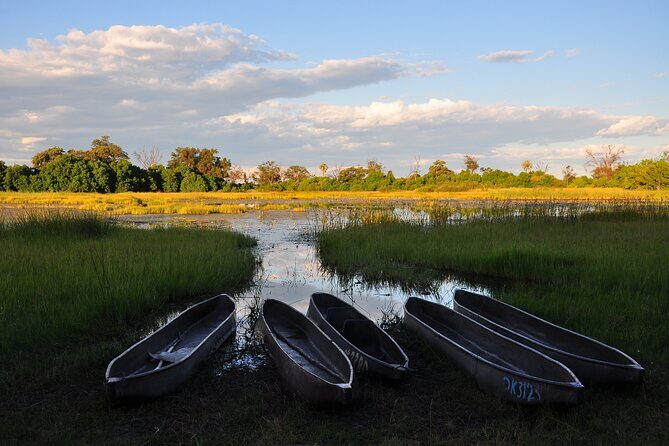
- Mokoro + guided walk inside a 2-day, 1-night Delta experience with island camping
- Small groups (maximum 6) which usually means less rushing and more time to look
From Victoria Falls to Botswana: a tight 6-day circuit built for sightings
This tour is built around one simple idea: animals show up when you’re in the right place at the right time. That’s why your days bounce between different “wildlife settings.” Chobe is about the riverfront—animals concentrate there, especially in drier months. The Okavango Delta is different: during flood season, channels and grasses create a huge living system for birds and mammals.
You also get a small-group feel. With a maximum of 6 people, the rhythm tends to be more personal, and it’s easier for your guide to adjust pace when you’re watching something happen. In past trips with Africa Uncovered Safaris, guides like Tafara have been praised for being friendly and professional, including a smooth, name-on-the-sign pickup style in Maun. You might also meet Archie in the planning support role described by clients.
A few more Victoria Falls tours and experiences worth a look

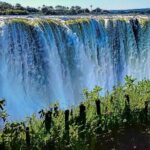
The big win: variety without wasting days
You’re not just doing one “safari day” and calling it a tour. You get:
- river viewing (Chobe boat cruise),
- active land viewing (game drives),
- open salt-pan distance (Makgadikgadi),
- and a Delta night that feels like you’re living by the waterline.
The one trade-off
It’s a “do a lot” itinerary. The upside is you see more. The downside is you’ll be up early, you’ll be in vehicles for long stretches, and you’ll switch environments quickly—from salt flats to water channels.
Getting to Kasane and Chobe: the border-crossing transfer that sets the tone
Day 1 starts with a transfer from your hotel in Victoria Falls to Kasane, Botswana. The total transfer time is about 1 hour 30 minutes, including the border crossing. Kasane is the town that funnels people into Chobe National Park, so it’s a handy staging point rather than a deep-remote base.
Expect a travel day that still feeds your safari mood. Chobe is close enough that you don’t feel like you’re spending the day “in transit.” And because you’re heading straight into a river activity later, you’re not stuck with a long, boring wait after arrival.
Practical advice for this kind of first day
- Bring a camera strap you can trust. You’ll be moving between vehicles and boats.
- Have a light layer ready. Open-sided vehicles mean you feel the breeze.
A few more Victoria Falls tours and experiences worth a look
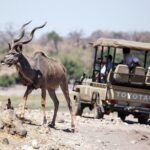
Chobe’s 15:00 boat cruise: when animals choose the riverfront
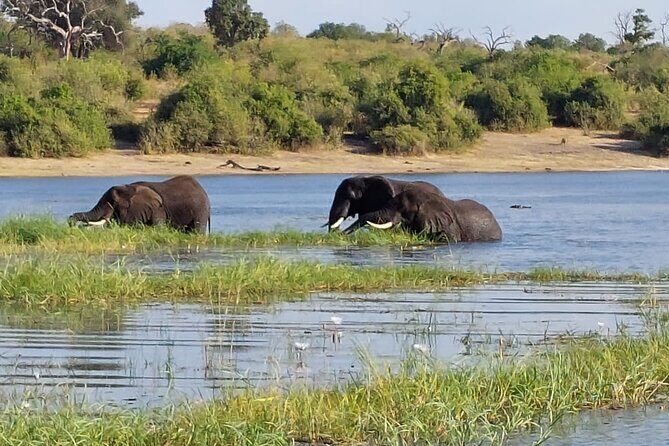
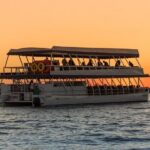
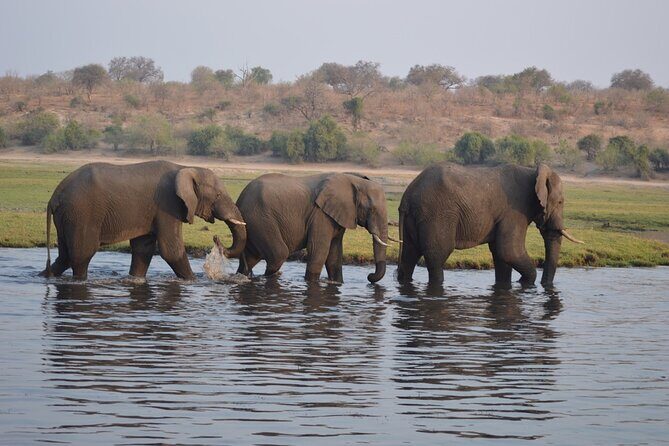
The main highlight of Day 1 is the afternoon boat cruise on the Chobe River. The day’s flow is built around a classic wildlife trick: when animals come down to drink, sightings get easier.
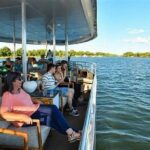
You leave the lodge around 14:30, transfer to the river by open-sided 4×4, and board at 15:00. The cruise runs about 3 hours, sailing upstream and returning to dock just before dusk, around 18:00.
Why the boat time matters
A river cruise gives you three things land drives can’t:
- Animals are closer to the waterline.
- You often spot activity without needing to “hunt” for movement.
- You can watch behavior—drinking, lounging, small splashes—rather than just passing silhouettes.
And the itinerary is specific about the goal: you’re on the water when animals converge for a drink, which is the moment you want to be there if you care about seeing lots of action.
What to pay attention to on the boat
- Watch for animals at the banks, not just in the center channel.
- Be alert when the boat slows. That’s when your guide is likely aiming for a sighting.
Chobe game drives at dawn and late afternoon: predator hours without the guesswork
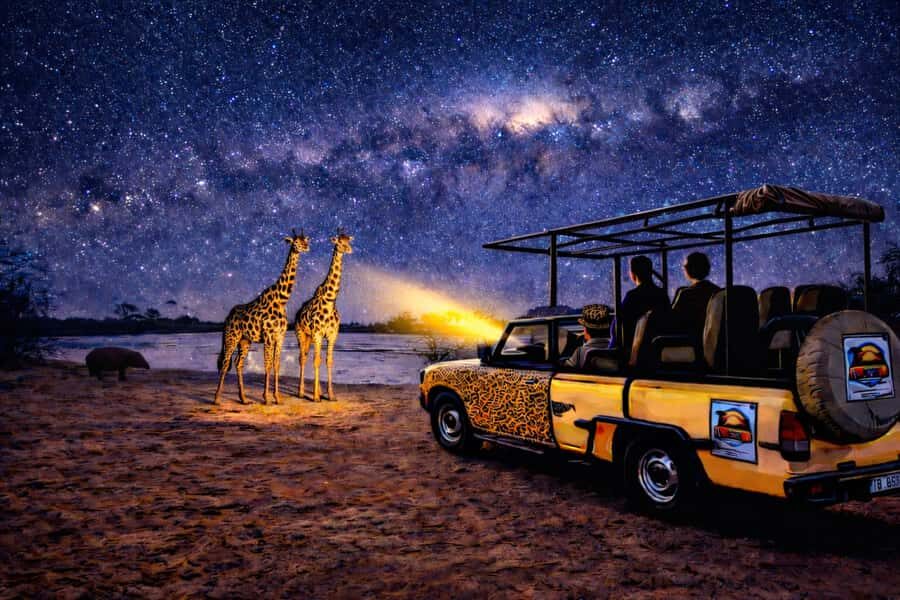
Day 2 gives you the best-of-both-worlds structure: an early morning drive and a late afternoon drive.
- Morning drive starts around 06:00 and runs until about 09:00.
- Afternoon safari is scheduled for 15:00 to 18:00.
Along the way, you get tea and coffee served in the middle of the wilderness, and a full breakfast around 09:30 after the morning drive.
What “prime time” means here
Your timing isn’t random. The description is clear that dawn and late afternoon trigger lots of movement:
- nocturnal animals shifting as light changes,
- predators finishing nighttime activity,
- and daytime species starting foraging and grooming.
In plain terms: you’re out when the day is flipping from dark to light, and then again when temperatures and light shift toward evening. That’s when you’re most likely to see more than resting animals.
The species picture you can hope for
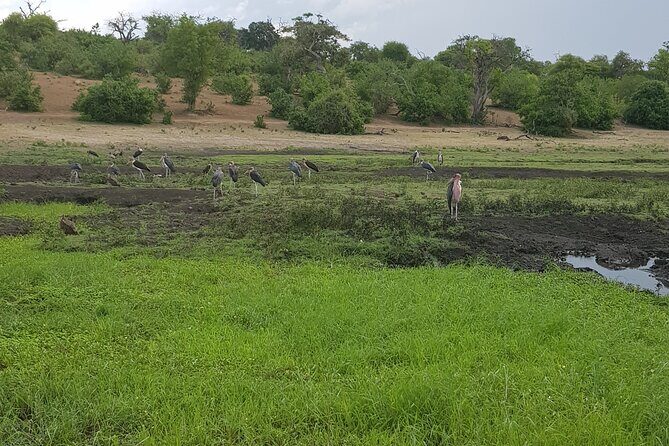
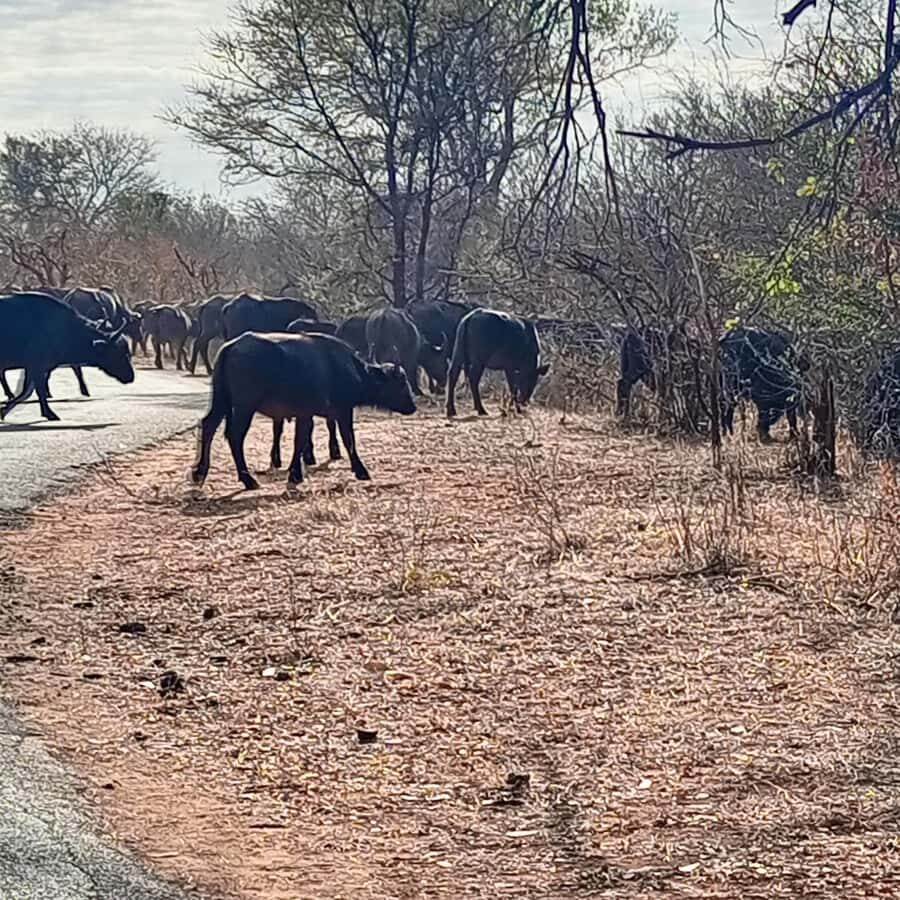
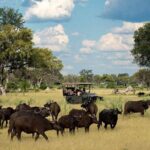
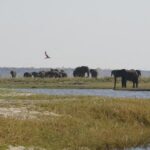
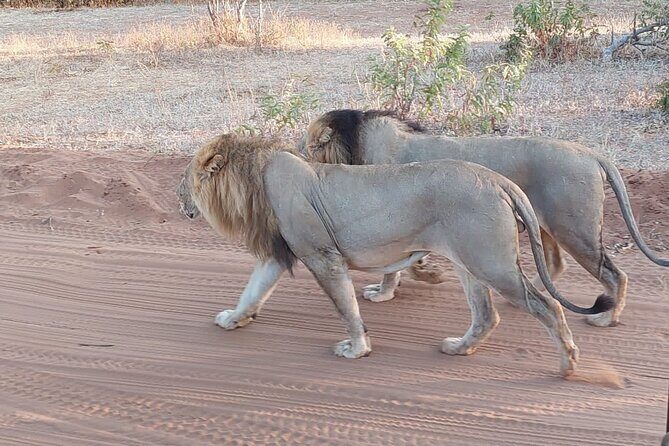
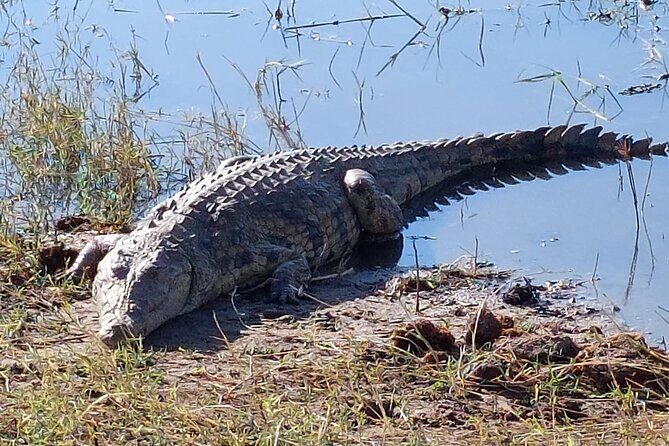
Chobe is known for large herds of elephants and Cape buffalo converging along the riverfront in the dry months. Lions, antelope, and hippos are also part of the picture, especially around wooded areas, lagoons, and the Linyanti Marsh region. Savuti’s floodable grasslands attract birds, plus migrating zebras.
No one can guarantee a lion on a game drive—but this schedule is built to maximize your odds.
Makgadikgadi Salt Pans: long road, huge silence, and cameras staying out
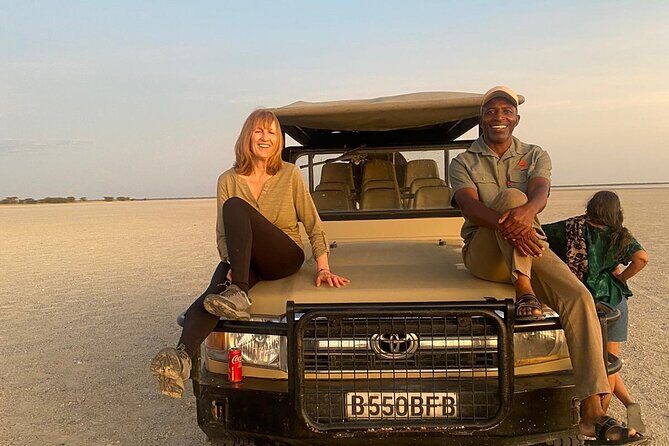
Day 3 shifts gears hard. You leave your lodge after breakfast around 8:00 and drive roughly 300 km. Expect about 4 hours on the road.
Then comes Makgadikgadi Salt Pan. This area is described as one of the largest salt flats in the world. The name Makgadikgadi means vast, lifeless land, and the vibe fits the meaning—especially if you want quiet. Even during high season, people are scarce here.
The payoff: a different kind of wild
This isn’t a “see animals every 5 minutes” setting. It’s a wide-open place where distance and emptiness become part of the experience. That’s why it makes a smart contrast after Chobe—your eyes need a break from constant activity.
A detail I’d actually listen to
Don’t put your camera away on the drive. The route to the pans can include animals, so the “in-between” time matters here too.
Time and pacing note
Your Day 3 is listed as 7 hours, so you’re not just passing through. You’re given enough time to experience the place rather than treating it as a quick photo stop.
Maun and the optional Okavango Delta flight: choose your bird’s-eye view
Day 4 moves from pans to water systems. After breakfast at 8:00, you drive about 4 hours to Maun, passing through Makgadikgadi National Park where you may see more game along the way.
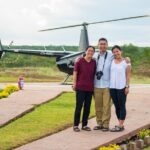
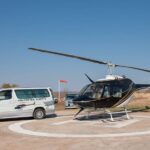
You reach Maun in time for lunch, then check in at your hotel with enough afternoon freedom for an optional add-on: a flight over the Okavango Delta. The cost is listed at about US $150 per person, with a minimum of 5 persons.
Should you consider the flight?
If you’ve never seen the Okavango from above, the flight can help you understand why this place is so hard to describe from the ground. But it’s optional for a reason: the mokoro portion on later days is the real emotional core. If you’d rather save energy, skip the flight and put that time toward resting or listening for birds in the afternoon.
Okavango Delta: mokoro silence, island camping, and a guided walk
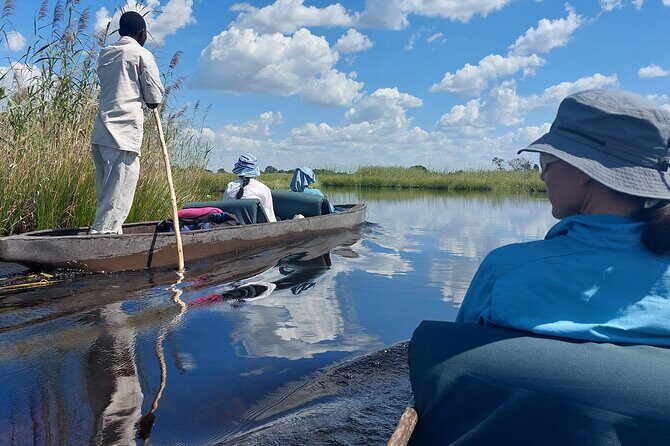
Day 5 is where the tour turns into a true Delta adventure. It’s described as a 2-day, 1-night safari in the Okavango Delta.
After an early breakfast, you transfer to the Okavango River in a 4×4 open-sided vehicle, taking in the scenery on the way. At the river, you meet polas local guides, who transfer you by mokoro (dugout canoe) to the island where you’ll camp.
Why mokoro is the heart of the Delta experience
The itinerary highlights one big idea: mokoro travel is quiet. In a flooded ecosystem, that quiet lets you notice things land vehicles often miss—subtle movements in channels and birds calling from the banks. You’re also told to expect hippos and other animals along the water routes.
When you arrive, you set up camp on the island and relax near the river, watching birds and taking in the feeling of being surrounded by channels.
The guided walk (and timing)
Around 16:00, you take a guided walk with a professional local guide for about 2 hours. Then it’s back for dinner and overnight in movable tents, with bush ablution.
That last detail matters. This isn’t a lodge with room service. It’s camping in a wild setting, with the practical arrangements you’d expect in the bush.
Day 6: your “last loop” back to Maun
The morning starts with coffee and rusks, followed by a morning walk. After breakfast, you unpack and return by mokoro for about 1.5 hours to meet your 4×4 vehicle back in Maun. The safari wraps up after lunch, and the tour ends on arrival in Maun.
Price and value: what $2,250 is really buying (and what isn’t)
The price is listed at $2,250.00 per person for 6 days, with pickup offered and a mobile ticket.
Here’s what your money covers based on the included information:
- Water and non-alcoholic drinks
- Meals: breakfast (5), lunch (6), dinner (5)
- The core safari activities across the route (with park admissions shown as free/included in the itinerary notes, including Makgadikgadi)
And here’s what is not included:
- Flights
You may also pay extra if you choose the optional Okavango Delta flight (about US $150 per person, minimum 5 persons).
Where the value comes from
A lot of safari costs are really “logistics costs”:
- cross-border transfers,
- multiple vehicle setups (open-sided 4x4s plus boat plus mokoro),
- and a one-night camp in the Delta with guided time.
You’re also getting a small group cap (maximum 6), which usually means less crowding than bigger departures.
The one caution on value
Because the itinerary is active, you’ll get the best value if you’re comfortable with early mornings and camping-style overnight arrangements. If you’re hoping for a relaxing, slow-paced luxury holiday, this format may feel like work.
Who this tour suits best (and who may want a different style)
This route is a great fit if you:
- care about wildlife variety in a short time (Chobe river + game drives + Delta camping),
- enjoy being out in the field at dawn and late afternoon,
- and don’t mind spending one night in movable tents with bush ablution.
You might want a different setup if you:
- strongly prefer hotel bathrooms and late mornings,
- dislike open-sided vehicle travel,
- or want long, unstructured downtime between activities.
It’s also ideal for couples or small groups who want a guided plan but appreciate not feeling swallowed by a huge crowd.
Should you book this 6 Days Victoria Falls Chobe Wildlife and Okavango Delta Tour?
I’d recommend booking if you want a compact safari that covers three very different Botswana/Zimbabwe “worlds” without feeling like you’re cutting corners. Chobe gives you animal density and river viewing. Makgadikgadi gives you silence and space. The Okavango gives you a night that feels connected to water and wildlife rather than staged for photos.
Skip it only if your comfort priority is a hotel-style stay and your ideal schedule avoids early starts. If you’re flexible and enjoy the wild, this is the kind of itinerary that sticks with you long after you’re back home.
FAQ
How long is the tour?
The tour duration is 6 days (approx.).
Where does the tour start and end?
It starts in Victoria Falls (pickup from your hotel is offered) and ends on arrival in Maun.
Is pickup included?
Yes. Pickup is offered.
What’s included in the price besides transport?
The tour includes water and non-alcoholic drinks, and meals: breakfast (5), lunch (6), and dinner (5).
What activities are included for wildlife viewing?
The itinerary includes a Chobe National Park boat cruise plus Chobe game drives, a Makgadikgadi Salt Pan day, and a 2-day, 1-night Okavango Delta safari using mokoro (plus a guided walk).
Are park fees or admission included?
The itinerary indicates admission is marked Free for the Chobe activities and Okavango safari parts, and included for Makgadikgadi Salt Pan.
What additional costs might you pay?
Flights are not included. There is also an optional flight over the Okavango Delta that costs about US $150 per person minimum 5 persons. Free cancellation is available up to 24 hours before the start time for a full refund.