REVIEW · VICTORIA FALLS
Home Hosted Dinner In Chinotimba
Book on Viator →Operated by Intondolo Safaris and Tours · Bookable on Viator
Dinner in a real home beats restaurant scripts. This 3-hour evening takes you from hotel pickup into Chinotimba and Mkhosana townships by Victoria Falls, mixing practical sightseeing with a family-style dinner you’ll actually remember. You’ll visit an old vegetable market, see old railway houses, and hear how the area grew around Victoria Falls and the early railway missions, all before sitting down to a home-cooked meal.
I especially like that you get hands-on contact with everyday life, not just photos. The old vegetable market stop shows you what people buy and cook, and the home-host dinner turns local dishes into something you can taste and talk about with your hosts.
One thing to consider: it starts at 19:00, so plan for a full evening—this isn’t a quick in-and-out supper stop.
In This Review
- Key things I found most valuable
- How chinotimba and mkhosana add real meaning to victoria falls
- 19:00 pickup: timing, comfort, and how to prepare
- The old vegetable market: where you see food trade up close
- Old railways houses: the story behind how the town formed
- Growth point and a glimpse of General Hospital
- Mkhosana township: getting to know a second neighborhood
- Home-host dinner: what you’ll actually eat and how to handle the surprises
- What’s on the menu
- Why this dinner hits differently
- Gifts, conversation, and respectful questions that land well
- The right vibe
- Price and value: is $35 worth your evening?
- Practical tips to make the most of your home-host dinner
- Should you book this Chinotimba home-host dinner tour?
- FAQ
- What is the duration of the Home Hosted Dinner in Chinotimba?
- What time does pickup start?
- Is hotel pickup and drop-off included?
- What is included with the dinner?
- Can I cancel for a full refund?
- Are alcoholic drinks included?
Key things I found most valuable

- Hotel pickup and drop-off makes the trip easy, even if you’re not renting a car.
- Old railway houses and township origins give context for how Victoria Falls became a hub.
- Market time lets you see daily food trade in Chinotimba and surrounding areas.
- A family-hosted meal focuses on local staples like corn meal, rice, groundnuts, and peanut butter pairings.
- Small group size (up to 21) keeps the experience personal and manageable.
How chinotimba and mkhosana add real meaning to victoria falls
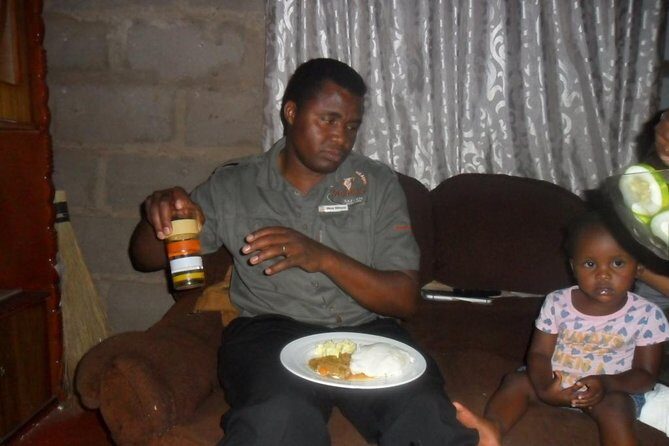
Most people base their Victoria Falls days around the falls themselves. I get it. But if you only go for the famous view, you miss the living communities right next door. Chinotimba and Mkhosana are where a lot of daily life happens—shopping, work, building, health services, and family meals—and this tour is built to show you that side of the region.
What works here is the balance. You’re not asked to sit quietly through a lecture. You move through a sequence of places that explain the “how” of community life: the market, the old railway houses and township beginnings, then the growth points and healthcare area you get a glimpse of. Then you wrap it up with dinner in a family home, which is where the cultural connection becomes personal. Food is a language people share even when the conversation is limited.
A few more Victoria Falls tours and experiences worth a look

19:00 pickup: timing, comfort, and how to prepare
The tour runs about 3 hours and begins with pickup from your lodge or hotel at around 19:00. That timing matters. By late evening, the day’s energy changes: you’ll often find people winding down from work while still being active in local spaces. It’s also a nice contrast to daytime sightseeing, because you’ll see the town energy in the evening light.
Because transport is included (hotel pickup and drop-off), you don’t have to solve logistics on your own. Still, come ready for a true community visit. Dress comfortably for walking around local areas and bring a light layer if evenings feel cool to you. Also, if you’re the type who likes to plan meal surprises, do it mentally: dinner is part of the experience, and it includes foods that may not be on your usual menu.
The old vegetable market: where you see food trade up close
One of the best stops is the old vegetable market. This is where you get a sense of what people buy and how everyday supply works. Even if you don’t purchase much, watching the rhythm of the market tells you a lot—what’s available, what looks fresh, and what families likely cook at home.
In the overview, there’s room for browsing and shopping for local items. In practice, I’d treat it like: look first, ask questions politely, and then decide if you want to buy gifts or food-related items. This kind of stop is also useful because it sets you up for dinner later. When you’ve just seen vegetables and basic ingredients up close, the meal feels less random and more like continuation.
Practical tip: if you have dietary needs, this is a good moment to raise it with your host or escort early, before the dinner decision is already underway.
Old railways houses: the story behind how the town formed
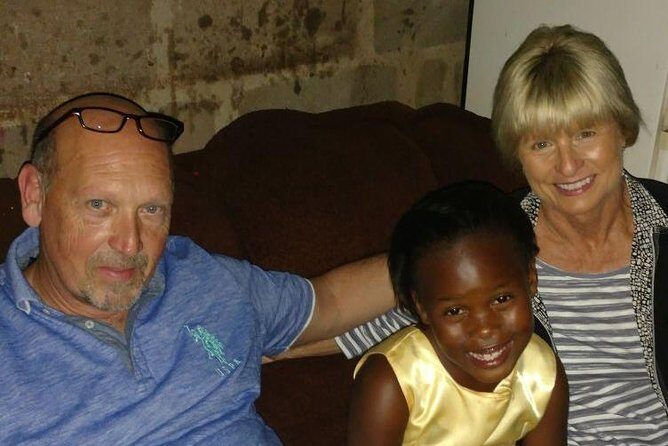
After the market, the tour goes to the old railways houses. This isn’t just a photo stop—it comes with a brief history of the township’s origins and first local people, plus how the area relates to bridge construction. That gives you context for why settlements took the shape they did.
You’ll also hear connections to big landmarks tied to Victoria Falls: the Victoria Falls Hotel, the railway missions associated with Cecil John Rhodes, and how these early projects influenced where people lived and how communities formed around the rail line and construction work. If you like places with layers—like, who was here first and why—that part of the tour is worth paying attention to.
The upside is that the history stays practical. It’s not a dusty timeline. It’s the story of why the township is where it is and how people built their lives through major development around Victoria Falls.
Growth point and a glimpse of General Hospital
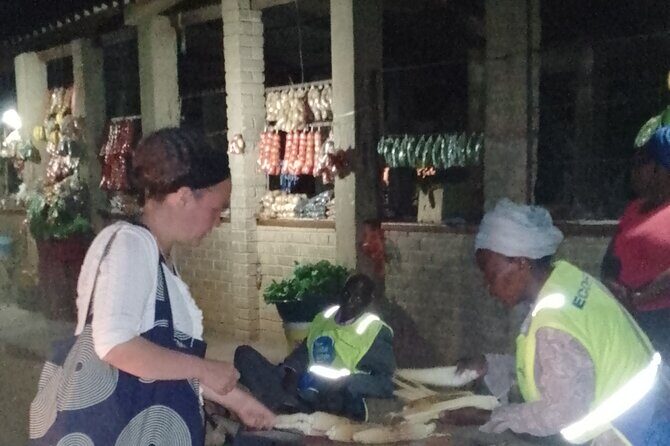
Next, you’ll visit a growth point and get a glimpse of the General Hospital area. This part is short, but it’s important because it moves the tour from “past” into “present.” You see how the community organizes services and growth right now, not only how it started.
For me, this stop is the reality check. It reminds you that township life isn’t frozen in time—it’s still moving. It also helps you understand the practical side of culture: healthcare, community needs, and daily routines.
A few more Victoria Falls tours and experiences worth a look


Mkhosana township: getting to know a second neighborhood
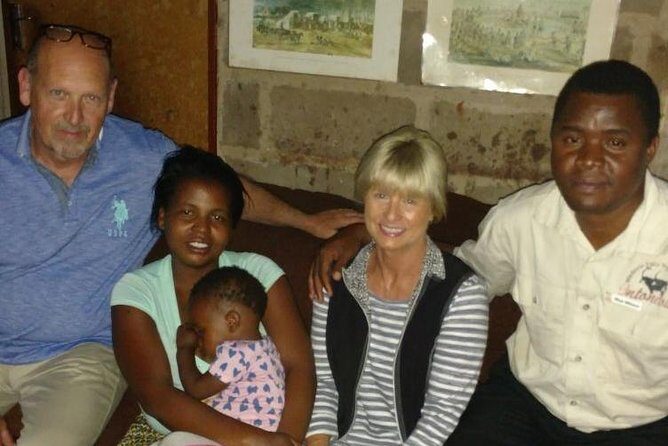
Then the tour heads into Mkhosana Township. You’re shifting from one community context to another, and that matters because you’ll get a slightly different feel for how daily life looks across nearby areas.
This is also when the tour becomes more relationship-focused. You’re meeting people, hearing stories, and gradually transitioning from sightseeing mode to dinner mode. By the time you’re about to enter the family home, the atmosphere feels less like a tour and more like you’re being welcomed into someone’s evening.
Home-host dinner: what you’ll actually eat and how to handle the surprises
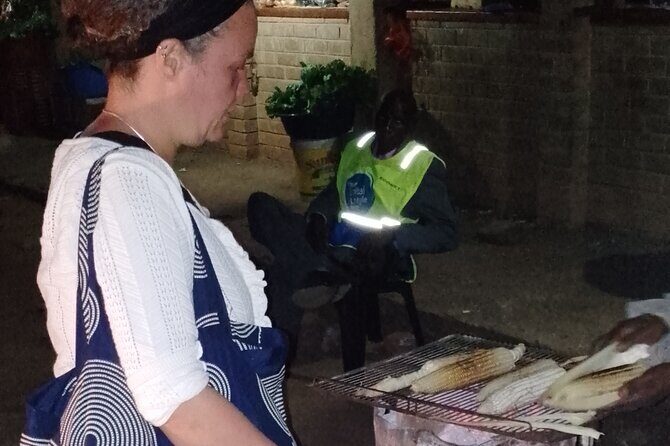
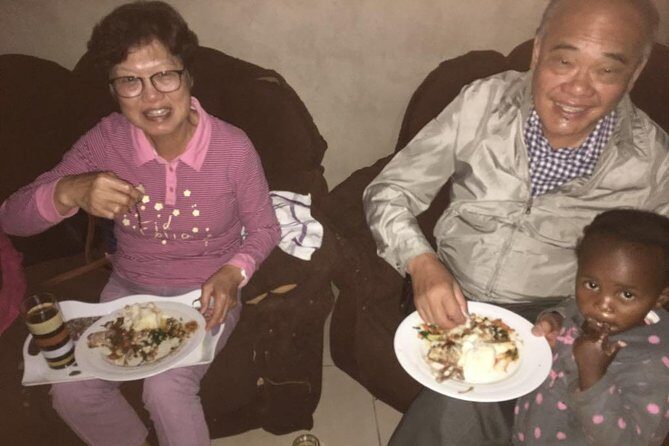
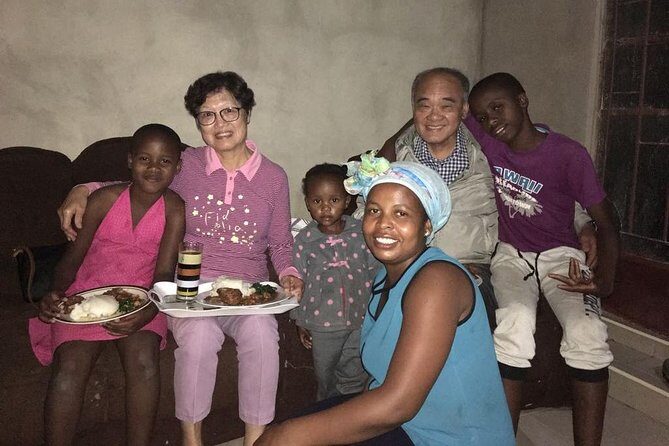
Dinner is home-hosted, so you’ll meet the hosting family and share stories in a relaxed, at-home atmosphere. That’s the centerpiece for most people—because you’re not just eating local food, you’re sharing a moment with the people who cook it.
What’s on the menu
Based on what’s served, you may see a few bold local favorites, plus the staples that make up many meals here:
- Mopan worm and kapenta (small fish)
- Fresh vegetables paired with peanut butter
- Corn meal and rice
- Ground nuts
- Beef and local chicken dishes
- Bean leaf stew and potatoes
If you’re curious but unsure about trying mopane worm or kapenta, here’s how to approach it without making it awkward. Take a small bite first. Smile. Thank your host. If you’re not into a specific taste, you can still show appreciation by trying another part of the meal. Hosts usually expect different comfort levels—what they care about most is politeness and willingness.
Why this dinner hits differently
This isn’t a fancy buffet designed for tourists. It’s a family meal with local ingredients and local cooking methods. That difference changes everything. I find that after you eat something that locals eat every day, your understanding of the place shifts fast—from “I visited” to “I got a taste of how people live.”
Also, the meal connects back to earlier stops. The market vegetables and basic staples make sense because you’ve already seen ingredients used in the community.
Gifts, conversation, and respectful questions that land well
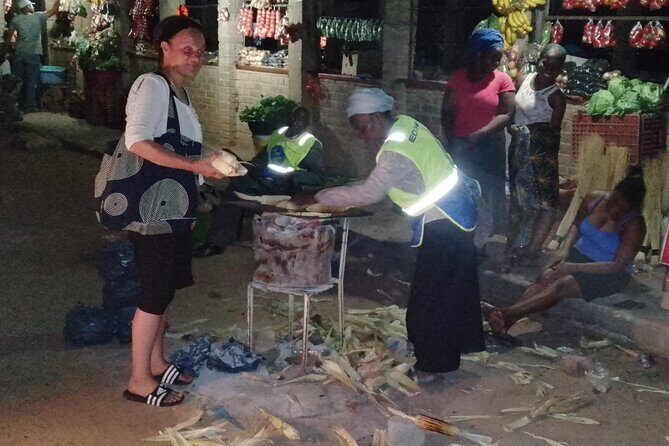
The tour encourages you to buy gifts for give-aways to kids and local people. That can be as simple as small items you carry specifically for that purpose. If you’re planning for this, I’d keep gifts light and practical—things that are easy to share.
Conversation is a big part of this evening. You’ll likely trade stories with your hosting family, and that’s where your questions can be most helpful. Ask about what you’re eating. Ask about how families plan meals. Ask what life is like in Chinotimba or Mkhosana day to day. Keep your questions friendly and avoid pressing for personal details that feel private.
The right vibe
This is a community dinner, not a performance. Your job is to be a good visitor: calm, curious, and appreciative. If you treat the meal like a polite exchange, the evening tends to feel warmer for everyone.
Price and value: is $35 worth your evening?
At $35.00 per person, this tour is priced as a community cultural experience with real food included. In practical terms, you’re paying for four things at once:
- Transport (hotel pickup and drop-off)
- A guided evening with an escort/host
- Multiple community stops (market, old railway houses, growth point, hospital glimpse, township visit)
- Dinner plus snacks and bottled water
For $35, you’re not just buying dinner. You’re buying access to a structured evening with local context—plus the chance to meet a family and share the table. The fact that food and transportation are included is what makes the value feel solid.
Alcoholic drinks aren’t included, but they’re available to purchase. If you want to keep costs predictable, you can skip alcohol and focus on the experience itself.
And since the group max is 21, you’re not stuck in a huge crowd. That matters for conversation and comfort.
Practical tips to make the most of your home-host dinner
Here are the details that help you enjoy the tour more, without overthinking it:
- Arrive on time for pickup at 19:00. Late arrivals can throw off the evening schedule.
- Bring cash if you want to buy small items or gifts. The tour encourages give-aways, and market browsing may involve purchases.
- Wear comfortable shoes. You’ll move through several stops.
- Be ready for local food surprises. Mopan worm and kapenta are part of the menu; approach them with curiosity and small bites.
- Come with questions, not assumptions. Ask about what you see at the market and what dishes mean to the family.
- Plan for a 3-hour block. This is a full evening experience, not a quick add-on.
Should you book this Chinotimba home-host dinner tour?
If you like travel that connects you to real daily life—food, neighborhoods, and the stories behind places—this is a strong pick. I’d book it if you want something more meaningful than another view of Victoria Falls, and if you’re open to eating what locals actually cook at home. The home-host dinner is the main event, and it’s supported by earlier stops that give you context before you sit down.
I’d skip it only if you strongly prefer nightlife-style entertainment or you’re very uneasy about trying foods like mopane worm or kapenta. Otherwise, it’s a respectful way to spend an evening right next to Victoria Falls, while learning how communities live and build their days.
FAQ
What is the duration of the Home Hosted Dinner in Chinotimba?
The tour lasts about 3 hours.
What time does pickup start?
Pickup starts around 19:00.
Is hotel pickup and drop-off included?
Yes. Hotel pickup and drop-off are included.
What is included with the dinner?
Dinner is included, along with food tasting, snacks, bottled water, and coffee and/or tea.
Can I cancel for a full refund?
Yes. You can cancel up to 24 hours in advance for a full refund.
Are alcoholic drinks included?
No. Alcoholic drinks are not included, but they are available to purchase.