REVIEW · VICTORIA FALLS
Victoria Falls: Village Life Experience
Book on GetYourGuide →Operated by Cuckoo Safaris · Bookable on GetYourGuide
Time travel, minus the machine. This Victoria Falls village life tour takes you out of town and into everyday Zimbabwean life near the national park, with a guide who explains customs in plain, human terms. I particularly liked the hands-on moments—small tasks that help you understand what life here looks like day to day.
You’ll also get a more thoughtful side of the region than just viewpoints and waterfalls. Still, there’s one thing to keep in mind: the experience can be more like meeting a household and community members than touring a big, open-to-the-public “village set,” and the time on the ground may feel shorter than the full 3 hours on some days.
In This Review
- Key things to know before you go
- How the Victoria Falls village life experience actually feels
- Getting from Victoria Falls to rural Matabeleland North
- What you’ll do in the village (and why it’s more than “watching”)
- The guided story: customs, community, and rural life today
- Gifts, souvenirs, and staying respectful
- Price and value: Is $50 worth it?
- Practical gear and small comfort wins
- Who should book this (and who might want a different day)
- Should you book the Victoria Falls village life experience?
- FAQ
- How long is the Victoria Falls village life experience?
- Where does pickup and drop-off happen?
- Is the group size small?
- Is the tour guide available in English?
- What’s included in the tour price?
- Is the tour wheelchair accessible?
- Can I bring gifts for the villagers?
- Is there free cancellation or reserve now pay later?
Key things to know before you go
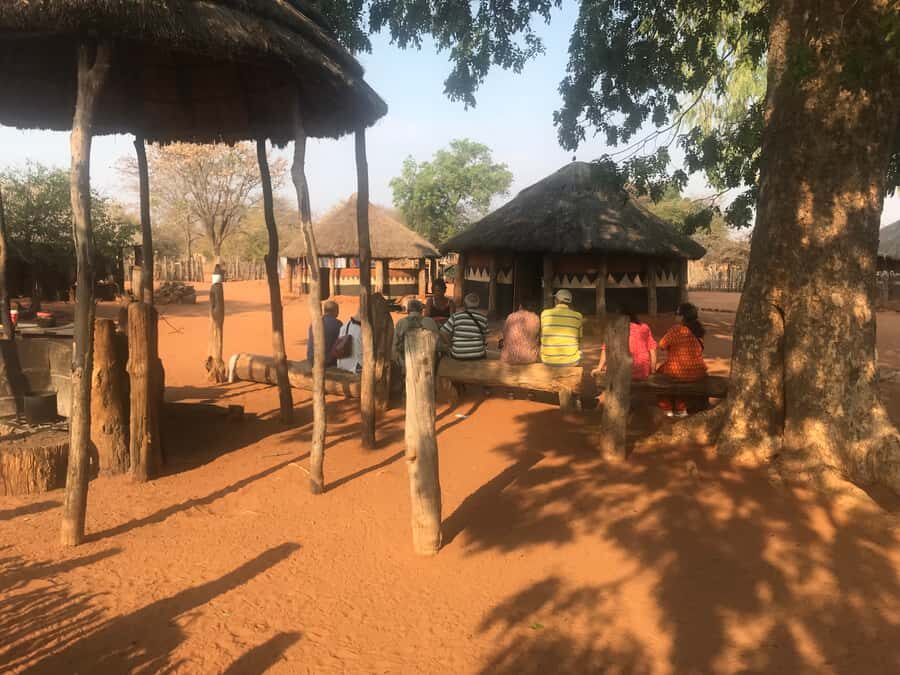
- Small group size (up to 15) keeps the tour from feeling crowded or rushed.
- Hotel pickup and drop-off means you don’t waste time figuring out transport.
- Live English guide plus an English audio guide gives you options for how you follow the story.
- You may do village tasks (like helping with maize) rather than only watching.
- Gifts are welcome if you bring practical items like stationery, garments, or sweets.
- Wheelchair accessible, so this is a solid option for mixed mobility groups.
How the Victoria Falls village life experience actually feels
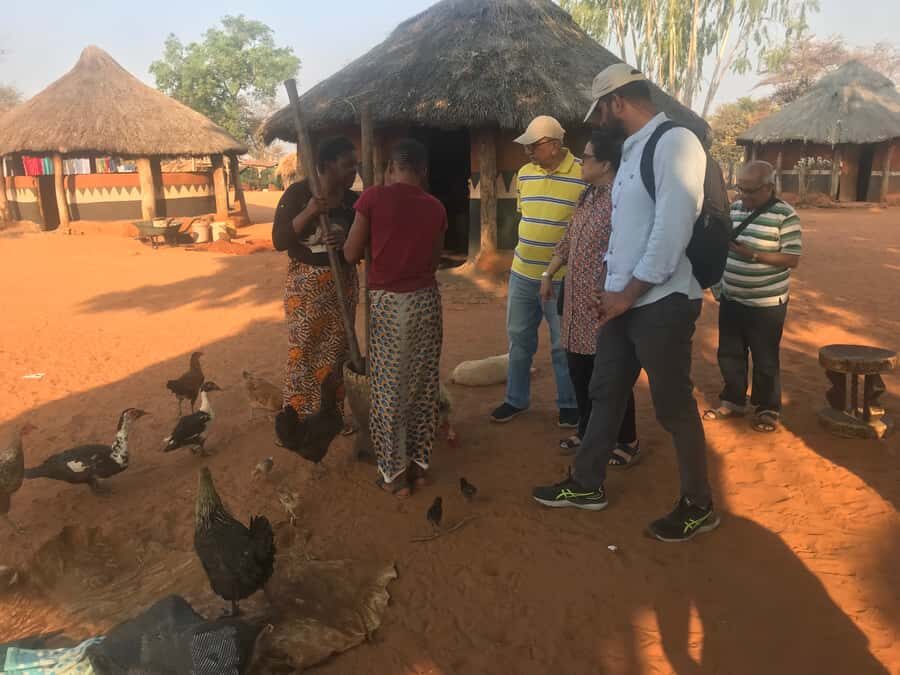
This is not a “checklist” tour. You’re spending your morning or afternoon with people, learning how community life works, and doing a few simple activities alongside locals when it’s appropriate.
I like tours like this because they’re direct. There’s no need to hunt for the meaning—you hear it from your guide, you see it in daily routines, and you leave with a better sense of how Zimbabweans live in rural areas today. It’s also a good contrast to the famous scenery around Victoria Falls: waterfalls are stunning, but village life tells you who lives there year-round.
The pace is generally relaxed. You’ll be picked up, driven out, shown what’s happening, and then dropped back at your lodge so you can keep your day open for other plans.
You can also read our reviews of more tours and experiences in Victoria Falls.


Getting from Victoria Falls to rural Matabeleland North

You start with pickup at Victoria Falls Hotel, and you’ll be taken toward the Victoria Falls area’s rural communities. The drive matters because it changes your mental picture fast: the closer you get to the village, the more the world feels grounded in local rhythms instead of tourist schedules.
Expect a short photo stop en route. It’s not about Instagram angles—it’s about giving you a breather and a moment to orient yourself before you step into the village setting.
Timing-wise, the whole experience runs about 3 hours, but the time you’ll spend at the village itself may vary. If you’re someone who hates loose ends, plan your day with a little buffer afterward, because you’ll likely want time for a drink, a shower, or a slow cooldown back at your lodge.
What you’ll do in the village (and why it’s more than “watching”)
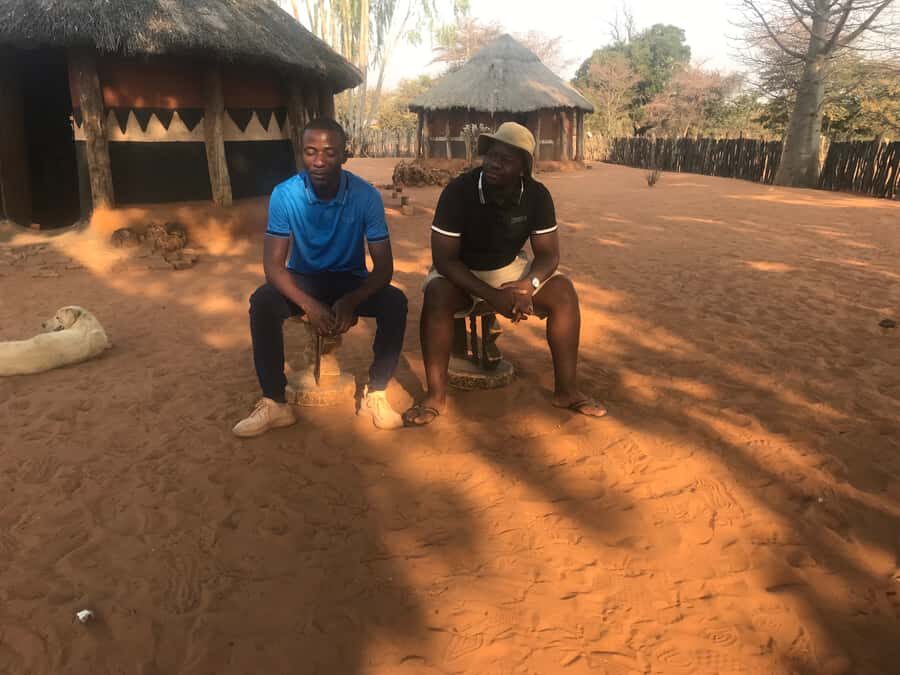
You’re not just walking through. The point is to see village life up close and take part in daily activities where it makes sense.
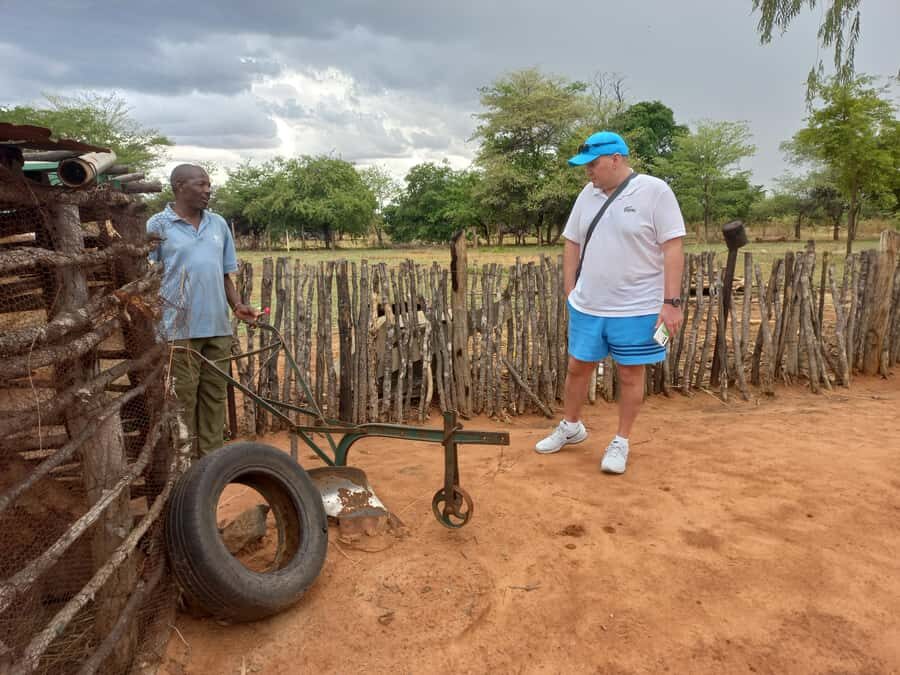
On this kind of tour, you might help with work such as processing maize—one example you can be prepared for is stamping maize with locals. It’s not about “performing culture.” It’s about getting a small, respectful taste of what daily labor can look like when your schedule is shaped by seasons and family needs rather than convenience.
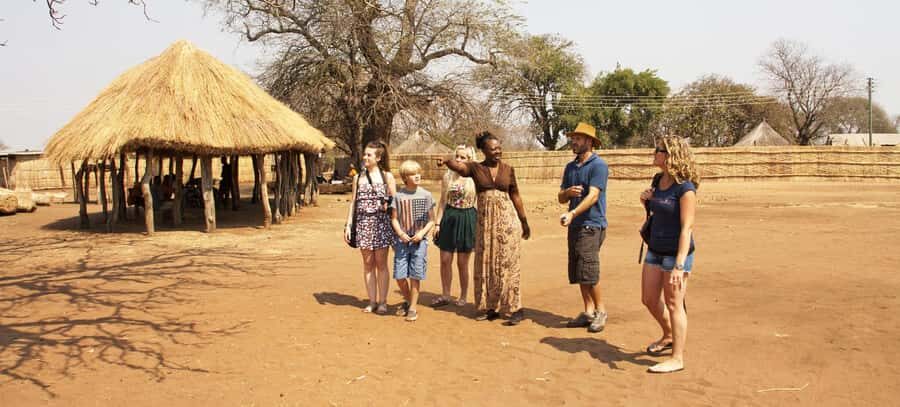
You may also have time to learn through conversation and observation. For example, your guide will explain how local customs work and how community members organize everyday life. You’ll likely see how people move through their day—where they gather, how they talk to each other, and how tasks fit together.
One practical note: if your hope is to see a whole open village with many homes and lots of people, temper expectations. Some versions of the experience focus more on a family and their immediate community. That can still be meaningful, but it’s not the same thing as a broad “tour of a village.” If that’s your dream, ask your operator what your on-the-ground time will look like before you commit.
The guided story: customs, community, and rural life today
The best part of this tour is the explanation. Your guide doesn’t just point at things—you get the background behind what you’re seeing, plus context about how many Zimbabweans live in rural areas today and what that means for daily life.
This is where the experience becomes more than a photo stop. When you understand customs—how people approach work, community ties, and tradition—you’re no longer treating the village as a backdrop. You’re reading it like a living place.
A helpful detail here: the tour comes with an English audio guide as well as a live English guide. If you’re the type who misses details when someone is speaking quickly, the audio can help you catch up later—or simply reinforce key points while you’re walking.
Gifts, souvenirs, and staying respectful
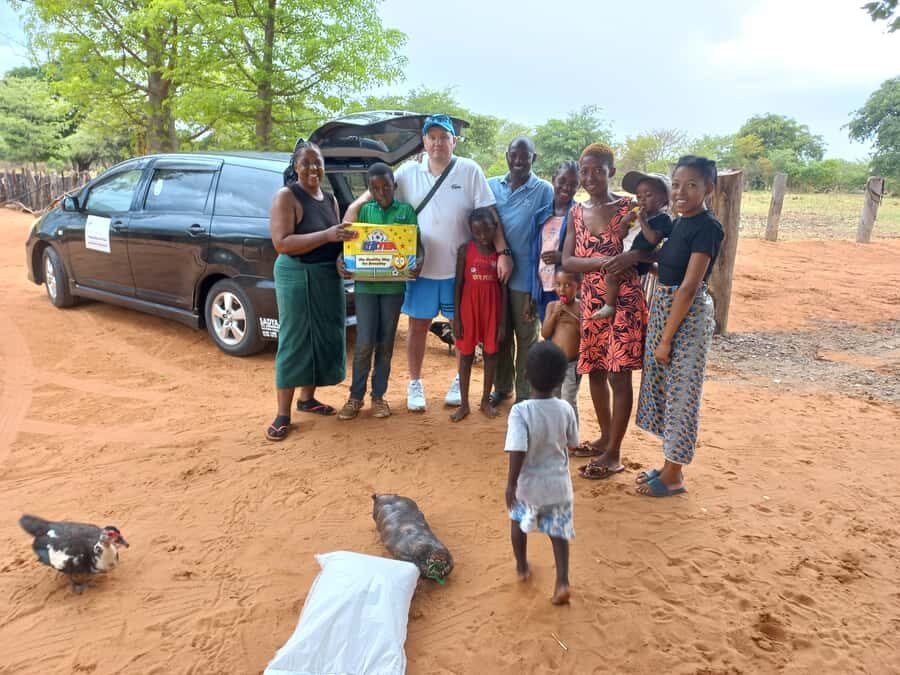
This is where you can make the experience better, for both you and the people you meet.
You’re allowed to bring presents for villagers—stationery, garments, sweets, and other items you think are valuable. If you’re bringing gifts, keep them practical and avoid anything that creates awkwardness or pressure. Think “useful at home,” not “look at me” tourism.
Souvenirs may be available too. In some cases, you’ll have the chance to buy homemade items from locals. I’d treat souvenir time as part of the conversation, not a quick transaction. Ask what the items are, how they’re made, and how they’re used. That’s when you’ll learn the most.
And a simple rule of thumb: always ask first, and follow your guide’s lead. Village visits are not a museum. People have their own schedules and priorities.



Price and value: Is $50 worth it?
At $50 per person, you’re paying for four things: transport from Victoria Falls, a guided experience with explanation (not just entry), hands-on interaction where possible, and a small-group setting capped at 15 people. You also get bottled water.
That price can feel high or reasonable depending on what you compare it to. If you’re used to big bus tours, $50 can seem fair because the group size is small and the guide time is real. If you’re expecting a long, multi-household “full day in the village,” it may feel less like a bargain because the total duration is about 3 hours and village time can vary.
Here’s my honest take: it’s best value if you’re there for meaning, not length. If you want more time on the ground, build your day around it rather than squeezing it between two waterfall activities. And if you’re tight on schedule, confirm what the on-site experience looks like so you don’t end up disappointed by the format.
Practical gear and small comfort wins
This tour is outdoors. You’ll be in the sun, walking a bit, and watching daily life unfold at a human pace.
Bring:
- sunglasses
- a sun hat
- sunscreen
- weather-appropriate clothing
I’d also wear shoes that can handle uneven ground. You don’t need hiking gear, but you do want something stable enough for village paths.
One more comfort detail: you’ll have water included, but it’s still smart to sip steadily. In hot conditions, dehydration can creep up fast, and you’ll want your energy for the interactions.
Who should book this (and who might want a different day)
This experience fits best if you want a real cultural exchange and you’re curious about how life looks beyond the tourist strip. You’ll like it if you enjoy conversation, learning from locals, and participating in simple tasks rather than only watching.
It’s also a decent option for mixed groups because it’s wheelchair accessible. If someone in your group has mobility needs, this is worth considering compared with more rugged sightseeing formats.
You might want to think twice if:
- you’re expecting a large, open, multi-family “village tour” feel every single time
- you hate tours that might land closer to 1.5–2 hours of active time on the ground
- your priority is the longest possible time at one location
If that describes you, you can still book, just do it with the right expectations: this is a human encounter first, a sightseeing activity second.
Should you book the Victoria Falls village life experience?
I’d book it if you want to see rural Zimbabwe through people’s day-to-day reality. The small group size, hotel pickup, and guided explanation make it easier to do well without stress, and the chance to take part in simple tasks (like maize work) is exactly the kind of practical learning that sticks.
Before you go, do one thing: mentally prepare for an intimate visit. You may spend more time with a household and their community than with a sprawling “village” you can roam. If you want that sprawling format, ask questions in advance. If you’re open to a smaller, more personal experience, this tour is a strong use of your time.
If you come expecting connection and context—not a theme-park version of village life—you’ll likely leave feeling you understand the area better than you did when you arrived.
FAQ
How long is the Victoria Falls village life experience?
The duration is 3 hours, though the time spent in the village may vary.
Where does pickup and drop-off happen?
Pickup and drop-off are available at Victoria Falls Hotel in Victoria Falls.
Is the group size small?
Yes. It’s limited to a small group of up to 15 participants.
Is the tour guide available in English?
Yes. The live tour guide is English, and an English audio guide is included too.
What’s included in the tour price?
The tour includes a guided village tour, hotel pickup and drop-off, and a bottle of water.
Is the tour wheelchair accessible?
Yes, the experience is listed as wheelchair accessible.
Can I bring gifts for the villagers?
Yes. You’re allowed to bring presents such as stationery, garments, sweets, or other items you feel might be valuable to them.
Is there free cancellation or reserve now pay later?
Yes. You can cancel up to 24 hours in advance for a full refund, and there is also an option to reserve now and pay later.