REVIEW · VICTORIA FALLS TOWN
From Victoria Falls: Zimbabwe Traditional Village Tour
Book on GetYourGuide →Operated by Tamuka Travel · Bookable on GetYourGuide
Village life in Zimbabwe feels real. A 2.5-hour traditional village tour from Victoria Falls shows how many people in Matabeleland North still live with older rhythms—homes, errands, cooking spaces, and farming—right beside the tourist glow of the falls.
Two things I really like: the chance to learn culture from inside a family’s day, and the feel of being useful instead of just watching. I appreciate tours that include helping with everyday tasks when appropriate, and I love that the guide experience can be very personal. In at least one case, the visit was just one solo traveler plus the guide, and it didn’t feel like a show.
The main consideration is transport timing and communication. One common issue isn’t the village part—it’s pickup. If your schedule is tight, build in a buffer and confirm the pickup time clearly so you’re not left waiting.
In This Review
- Key Highlights You’ll Actually Notice
- Matabeleland North Village Life Right Outside Victoria Falls
- Pickup, Timing, and How Long You’re in the Settlement
- What You See: Homes, Kitchen Huts, Sleeping Areas, and Crops
- The Culture Lesson Comes From People, Not Posters
- Helping With Day-to-Day Tasks (When the Family Welcomes It)
- Gifts, Tips, and How to Be a Good Visitor
- Price and Value: Is $50 a Fair Deal?
- Who Should Book This Village Tour
- Small-Group Feel, Family Welcome, and the Real-World Setup
- Before You Go: Practical Packing Notes
- Should You Book This Zimbabwe Traditional Village Tour?
- FAQ
- How long is the Zimbabwe Traditional Village Tour from Victoria Falls?
- What’s included in the price?
- Are transfers outside Victoria Falls included?
- What should I bring for the village visit?
- What language is the tour conducted in?
- What are the cancellation terms?
- Is there a way to reserve without paying immediately?
Key Highlights You’ll Actually Notice
- A real family household visit (not a staged village setup)
- Hands-on participation with day-to-day errands when the family welcomes it
- Homes and living spaces you can walk through, including kitchen areas and sleeping huts
- English explanations that can be clear enough for detailed Q&A
- Farming context based on rain and what happens when rains fail
- Solo-friendly feeling, since small groups and one-on-one tours happen
Matabeleland North Village Life Right Outside Victoria Falls
Victoria Falls draws you in with big natural drama. This tour takes you to something quieter, but just as memorable: the human side of Zimbabwe life beyond the main viewpoints and wildlife stops. You head into Matabeleland North, where the tour focuses on daily routines and the practical ways people organize home, food, and work.
What I find refreshing is the framing. The village experience isn’t sold as a fantasy where everything is simple. The lifestyle can be different from modern city life, but it still comes with challenges—especially around farming and seasonal weather. When you hear how much depends on annual rains, the visit stops being “cultural entertainment” and starts being real context for what people are dealing with.
You can also read our reviews of more tours and experiences in Victoria Falls Town.



Pickup, Timing, and How Long You’re in the Settlement
The traditional village tour runs about 2.5 hours, including time in and around the settlement. In some cases, the on-the-ground village time can land closer to 1.5 hours, depending on the household setup and how the family wants to pace things. Either way, it’s long enough to see multiple parts of daily life, but short enough that you’re not stuck through a full day away from Victoria Falls.
Transfers from Victoria Falls are included, and you ride in an air-conditioned vehicle. That matters in this part of Zimbabwe—heat can turn a “quick drive” into an energy drain if you’re in an open car or without AC.
One practical watch-out: pickup communication can be messy. In at least one experience, a traveler was collected late due to communication issues. If you book, confirm pickup details in writing (message or email) and keep your phone charged and reachable.
What You See: Homes, Kitchen Huts, Sleeping Areas, and Crops
This tour is built around what a family’s day looks like. Instead of just pointing at a building and moving on, you’re typically shown around a real homestead where people actually live and work.
Here’s what you should be prepared to see:
- Inside the home areas, including living quarters
- Kitchen huts (two of them were specifically mentioned in one visit)
- Sleeping huts, described as separate spaces where people rest
- Tidier-than-expected household areas, including the way families keep their space organized
- Farming activity and growing crops, plus how fields fit into the family schedule
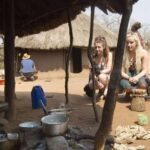
You may also get a look at how daily tasks get handled—what it means to run errands locally, and what “work” looks like when it’s tied to the seasons. One review described the family home plus farm tour together, with the head of the family explaining how they manage their household and land.
A key part of the tour is farming reality. The information you’ll hear is often tied directly to rainfall—some years bring enough rain to grow well, and some years don’t. One traveler specifically noted that the rain mostly failed that season, and it shaped how the family talked about survival and income connections in Victoria Falls.
The Culture Lesson Comes From People, Not Posters
A “traditional village tour” can sound like a checklist. The good versions are human. The best moments come when conversation turns practical: how people live, what they believe, how customs show up in daily routines, and how families handle the everyday work that keeps the household going.
The experience often includes guided explanations in English, and in one case, a village elder spoke English with a very clear, accent-free delivery. That’s a big deal if you want details beyond quick generalities. When the language is solid, you can ask real questions—about household structure, tasks, or how farming fits into family life.
You might also meet a guide who leads you directly to a settlement where the family lives. In one described scenario, the guide took a traveler to Monde village and the visit focused on one family group, where children were part of the welcome and the household members answered questions.
If you’re wondering what the “culture” part actually looks like: it’s the explanations inside the rhythm of the day. You’ll see spaces for cooking and sleeping, you’ll hear how tasks are divided, and you’ll learn why certain routines exist.
Helping With Day-to-Day Tasks (When the Family Welcomes It)
This is where the tour becomes more than a sight-seeing stop. The idea isn’t for you to cosplay rural life. It’s to understand the work by trying it lightly, under guidance, and with respect.
You may be invited to help with daily errands or small tasks. The tour description also mentions opportunities to watch villagers’ lifestyle and then get involved in errands for a more genuine sense of village life.
One traveler highlighted the value of supporting local villagers through the activity, and another mentioned the tour felt like a real family group experience rather than a crowd loop. When you’re allowed to assist, it changes the energy. You’re no longer a “visitor.” You’re a helper for a short window.
A note on expectations: even the most welcoming tours will keep things practical. Don’t assume you’ll do heavy work. Expect small, supervised contributions—then ask questions about what you’re doing and why.


Gifts, Tips, and How to Be a Good Visitor
This tour strongly encourages bringing items as donations. The guidance is simple: pack old or new clothes, plus sweets, stationery, or other useful items. You’re also encouraged to leave a tip to show gratitude for hospitality.
I like this approach because it’s practical. If you bring school supplies or clothing in usable condition, you’re not just handing over random souvenirs. It’s more likely to match what families can actually use.
How to do it respectfully:
- Bring items in good condition, not trash in a plastic bag.
- Hand gifts directly when the family or guide indicates it’s appropriate.
- Keep your expectations low. You’re supporting, not buying a performance.
In at least one experience, families were very appreciative of gifts, and a family photo moment happened as a sign of thanks. If a photo is offered, take it. If it’s not, don’t ask for selfies as a default.
Price and Value: Is $50 a Fair Deal?
At $50 per person, this tour isn’t trying to be a bargain-bin “thing to do.” It’s priced like an experience that provides:
- A professional guide
- Transport from Victoria Falls (included)
- An on-the-ground visit that gives families a chance to share daily life directly
The value is strongest when you care about human connection and local context. If your trip plan is all falls, safaris, and animal experiences, this tour adds something different: the day-to-day reality that shapes where the economy and community go from season to season.
Also, small-group dynamics show up here. Some visits are basically one-on-one with a guide. That kind of attention matters. It’s easier to ask questions, and the family’s time feels more valued than if you’re being moved through like a check-mark.
One more value point: the guide and the family explanations can be detailed enough to answer real questions. When English explanations are clear, you get more than surface-level “this is traditional.” You get meaning.
Who Should Book This Village Tour
I think this tour fits best if you:
- Want the human side of Victoria Falls, not just the big sights
- Enjoy learning through conversation and walking through real spaces
- Prefer experiences where you can ask questions and sometimes help with tasks
- Travel solo and want a tour that can feel personal rather than crowded
In the experiences described, solo visitors felt welcome and got a strong educational perspective. That’s often the difference between a good cultural tour and a frustrating one.
You might skip this tour if you’re the type who needs polished “attraction-level” comfort and zero uncertainty. Village visits can be warm, personal, and occasionally schedule-shifty on the transport side. The experience is about people first, not about a perfect run-time.
Small-Group Feel, Family Welcome, and the Real-World Setup
A standout theme is how personal the household welcome can be. Some families welcomed visitors even when they hadn’t been told ahead of time. That kind of reception can feel spontaneous—in a good way—because it’s about genuine hospitality rather than a rehearsed routine.
You may tour inside multiple huts and rooms. One traveler described being shown kitchen huts and sleeping huts. Another described inside buildings and kitchen and living quarters, with an elder answering and expanding on questions.
The tour company’s approach may include rotating to different households. In one described scenario, it was understood that the company rotates around to different households, which can help reduce the “same house, same script” feeling.
Before You Go: Practical Packing Notes
Here’s how to prepare without overthinking it:
- Bring items for donation: old/new clothes, sweets, and stationery are specifically suggested.
- Wear modest, comfortable clothes for walking around a homestead.
- Expect varying ground conditions around homes and farm areas.
- Bring a light layer if evenings cool off, though the tour content doesn’t mention weather gear—just use common sense for Zimbabwe.
- If you’re sensitive about timing, confirm pickup in advance because transport communication can be late or unclear.
Also, you’ll be touring in English, so if you speak English comfortably, you’ll get more out of the explanations and Q&A.
Should You Book This Zimbabwe Traditional Village Tour?
Book it if you want a real-life look at Zimbabwe life tied to home, cooking, farming, and daily tasks—and you’re okay with the fact that you’ll be interacting with people in their own setting. This is the kind of tour that can shift your understanding fast, because you’re seeing what daily survival and routines look like in a rural household context.
Skip it only if you want something purely scripted, with tight timing guarantees and no possibility of transport delays. The village part is the point, but the pickup experience can be the weak link.
If you do book, go in with respect. Bring donation items, ask questions that show curiosity, and treat the visit as a conversation, not a performance.
FAQ
How long is the Zimbabwe Traditional Village Tour from Victoria Falls?
The tour is about 2.5 hours.
What’s included in the price?
The package includes transfers in Victoria Falls, the Zimbabwe traditional village tour, a professional guide, and an air-conditioned vehicle.
Are transfers outside Victoria Falls included?
No. Transfers outside Victoria Falls are not available.
What should I bring for the village visit?
It’s recommended to bring old or new clothes, sweets, stationery, or other useful items for donation.
What language is the tour conducted in?
The tour is in English.
What are the cancellation terms?
You can cancel up to 24 hours in advance for a full refund.
Is there a way to reserve without paying immediately?
Yes. You can reserve and pay later, keeping your travel plans flexible by booking your spot and paying nothing today.