REVIEW · LIVINGSTONE
Livingstone: Amazing Traditional Village & Dance Culture
Book on GetYourGuide →Operated by Community Tusoleke Trust School muke Village · Bookable on GetYourGuide
Village life hits faster than any city tour. In 7 hours, you visit Muke village, a traditional Lozi community about 20 minutes from Livingstone, where you learn real daily life instead of just taking photos. I really love meeting the friendly locals in an everyday setting, and I also like how the tour ties the cultural visit to education at Tusoleke Trust School.
The main drawback is simple: it can be hot and long, especially during the village walk, and the tour notes that no water is included. If you’re the type who gets cranky in heat, this one needs prep.
In This Review
- Key things to know before you go
- Why Muke Village Feels Real So Fast
- Price and Value: What $68 Actually Buys
- Getting There: Pickup Timing and the 7-Hour Reality Check
- Tusoleke Trust School and Muke’s Story
- Village Walk: Traditional Buildings, Daily Work, and Lozi Explanations
- Learn How Local Alcohol Is Made (and Why It’s Not Just a Fun Fact)
- Handcrafted Lunch, Coffee, and Tea You’ll Remember
- The Cultural Dance Moment: Participation, Not Just Watching
- Sunset Canoe Ride on the Zambezi: Gorgeous Views, Follow Instructions
- Wildlife Possibilities: Manage Expectations, Keep Your Eyes Open
- What to Bring for a 7-Hour Lozi Village Day
- Who This Tour Suits Best
- Should You Book the Muke Village Tour?
- FAQ
- How long is the Livingstone: Muke Village & Dance Culture tour?
- What’s included in the price?
- Is water included during the tour?
- Do I get pickup from Livingstone?
- Can I see wildlife like hippos or crocodiles?
- What should I bring?
Key things to know before you go
- A Lozi village visit just 20 minutes from Livingstone with a local guide and a village walk
- Tusoleke Trust School support built into the tour since profits go directly to the school
- Alcohol-making and traditional buildings explained on site as part of the village story
- Handcrafted lunch plus coffee and tea after you’ve worked up an appetite
- A culture dance you can learn from, not just watch
- Sunset canoe ride on the Zambezi River with guidance to keep it safe and enjoyable
Why Muke Village Feels Real So Fast
This isn’t a fenced-off show. Muke village sits close enough to Livingstone that you can do it as a day trip, but far enough that it feels like you’re stepping into another rhythm of life. You’ll meet locals, walk through the village, and hear how people live, work, and build their homes.
I especially liked the “family” vibe you get when the host introduces you to neighbors and keeps things personal. One big reason it feels different is that you’re not only observing. You’re included—talking, listening, eating, and learning a few Lozi words along the way.
There’s also a practical purpose here: profits support Tusoleke Trust School. That doesn’t turn the experience into a lecture. It just adds weight to every moment, because you can feel the visit is part of something that matters.
You can also read our reviews of more tours and experiences in Livingstone.
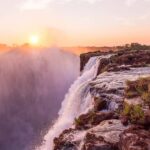


Price and Value: What $68 Actually Buys

At $68 per person for a 7-hour experience, this sits in the “pay for meaning” category. You’re not just paying for a bus ride and a meal. Your ticket covers transportation from Livingstone, a local English-speaking guide, lunch, coffee and tea, and the cultural activities (including dance and language basics).
What makes the math work better is the mix of included items:
- Village walk and guided history of Muke village
- Learn how local alcohol is made
- Visit Tusoleke Trust School
- Traditional lunch plus coffee and tea
- Sunset canoe ride
- Learn Lozi words
That said, you need to plan around the one thing that isn’t included: water. The tour explicitly notes no water is provided, and you’re also advised to bring enough for the whole trip. If you forget that, the value can feel worse than the price suggests.
Getting There: Pickup Timing and the 7-Hour Reality Check

Pickup is built in from your Livingstone hostel or hotel. You’ll wait in the lobby and be ready about 10 minutes before your pickup time. From there, you’ll head toward Muke village and settle into a day that moves from school to village life, then food and culture, and finally the Zambezi at sunset.
Seven hours sounds totally reasonable on paper. In practice, the heat can make it feel longer. The experience includes a village walk and time outdoors, so if you’re sensitive to sun, plan your day like it’s a mini endurance event. Think hat, sunscreen, and water discipline.
If you’re scheduling around temperature, I’d also pay attention to the time of day. When the hottest hours line up with the walk, the trip can feel like it’s dragging. If cooler hours are available, that makes everything easier.
Tusoleke Trust School and Muke’s Story
One of the most grounding parts is visiting Tusoleke Trust School. The tour focuses on what the school is doing for the community, and it fits naturally into the day. You’re not dropping by for a quick glance. You get context about the village and why the school matters.
You’ll also learn about the history of Muke village—how the community is rooted, and how people relate to their land and traditions. That story helps you interpret what you see later, like the traditional buildings and the way daily tasks are handled.
A small caution: school hours can vary. If you happen to visit when school is closed (for example, on Saturday), you might experience less of the school part and more of the village and culture elements. The village visit still has a lot to offer, but it’s good to know this can change the balance of the day.
Village Walk: Traditional Buildings, Daily Work, and Lozi Explanations
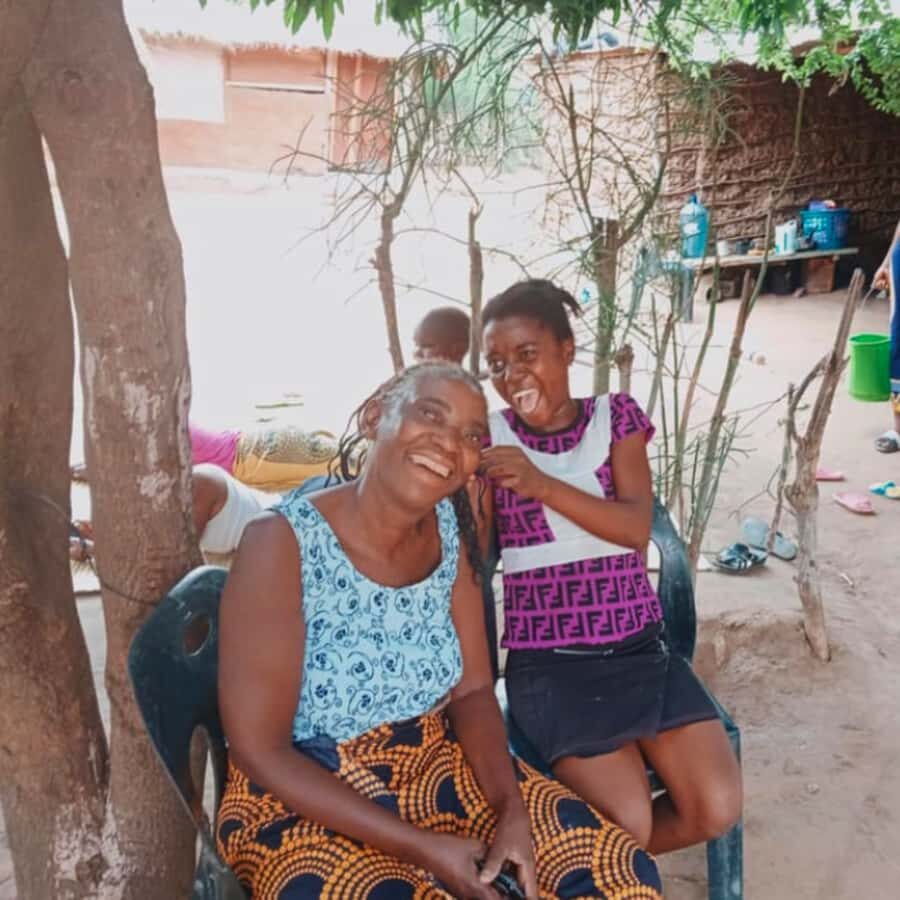
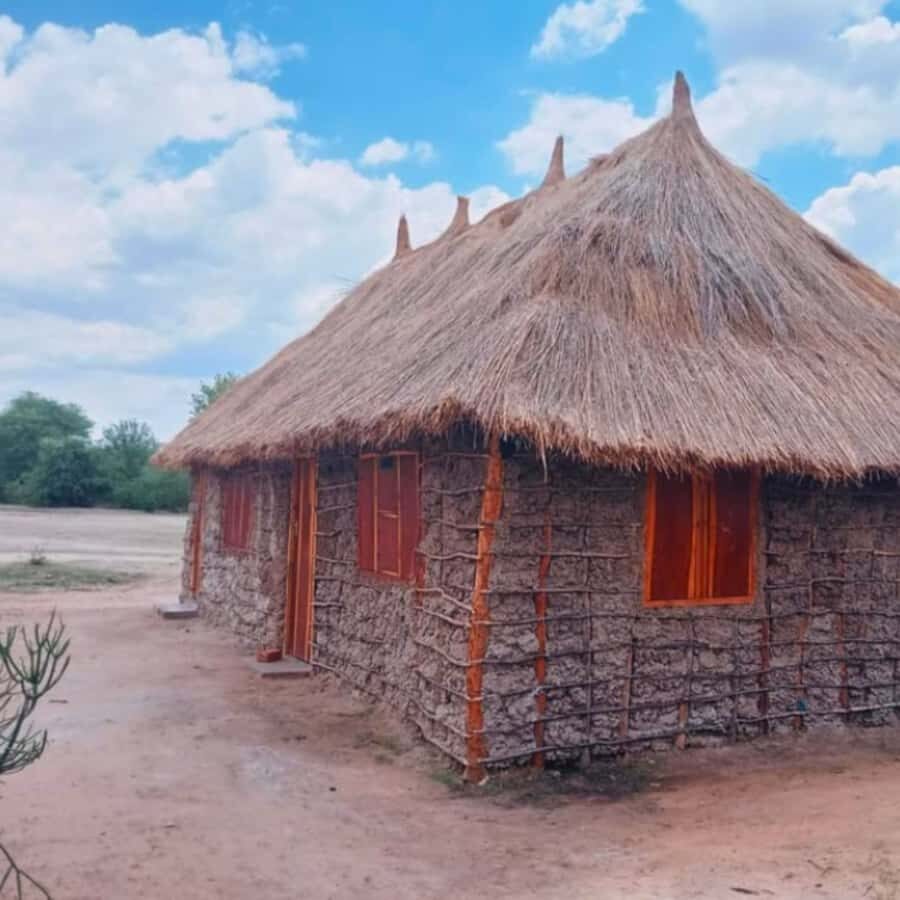
The village walk is where the tour shifts from “tour” to “conversation.” Your local guide will show you traditional buildings and explain how they’re built. You’ll also get a sense of how space is used—what’s practical, what’s traditional, and how the village layout supports everyday life.
This is also where the language learning comes in. The tour includes learning Lozi words, and you’ll likely pick up a handful of useful basics rather than trying to master everything in one afternoon. Even a few words change the tone of your chats. It turns strangers into people you can actually connect with.
It’s also the moment where you’ll see why the tour is structured the way it is: first context (history and school), then the living environment (buildings and daily life), then food and celebration.



Learn How Local Alcohol Is Made (and Why It’s Not Just a Fun Fact)
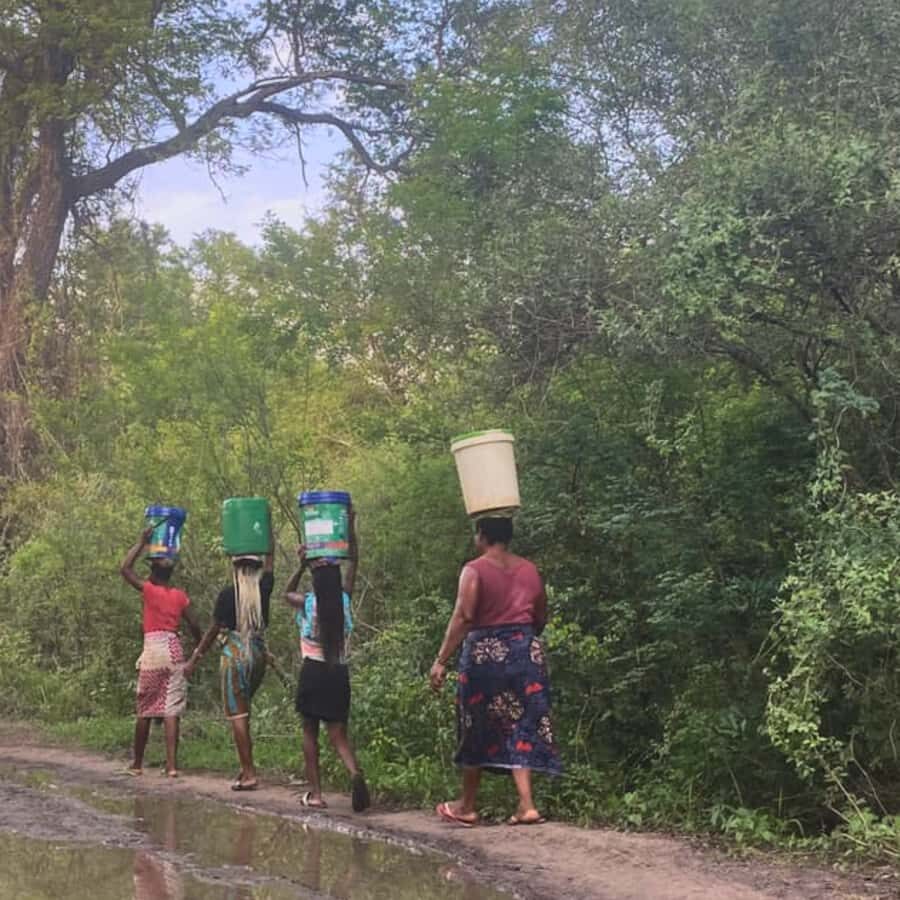
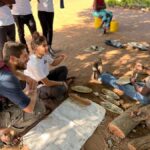
Yes, you’ll learn about how local alcohol is made. But the value isn’t only in the process itself. It’s also a window into resource use, tradition, and how the community approaches craft and ingredients.
When you learn this kind of local knowledge through a guide and host, it feels less like watching a trick and more like understanding a cultural practice. You’ll come away with a clearer picture of what’s normal in daily village life and what’s tied to celebration and community.
And it’s a reminder that culture isn’t only dances and dress. It’s also work—skills passed along, routines followed, and decisions shaped by local conditions.
Handcrafted Lunch, Coffee, and Tea You’ll Remember
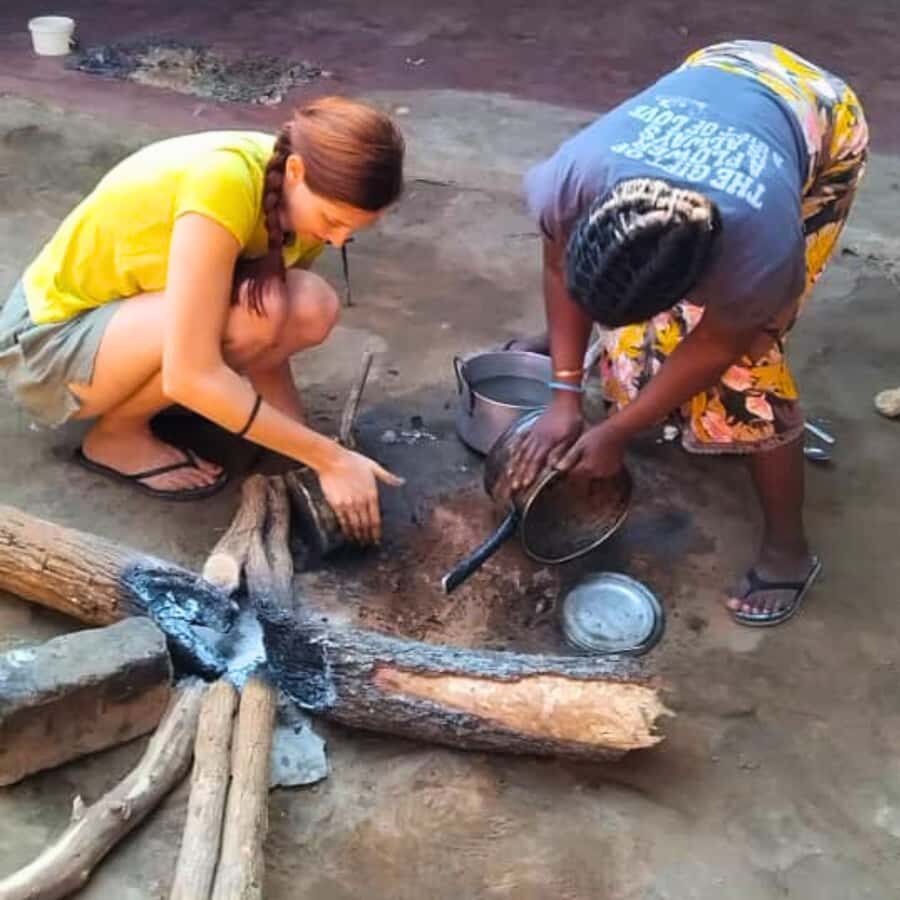
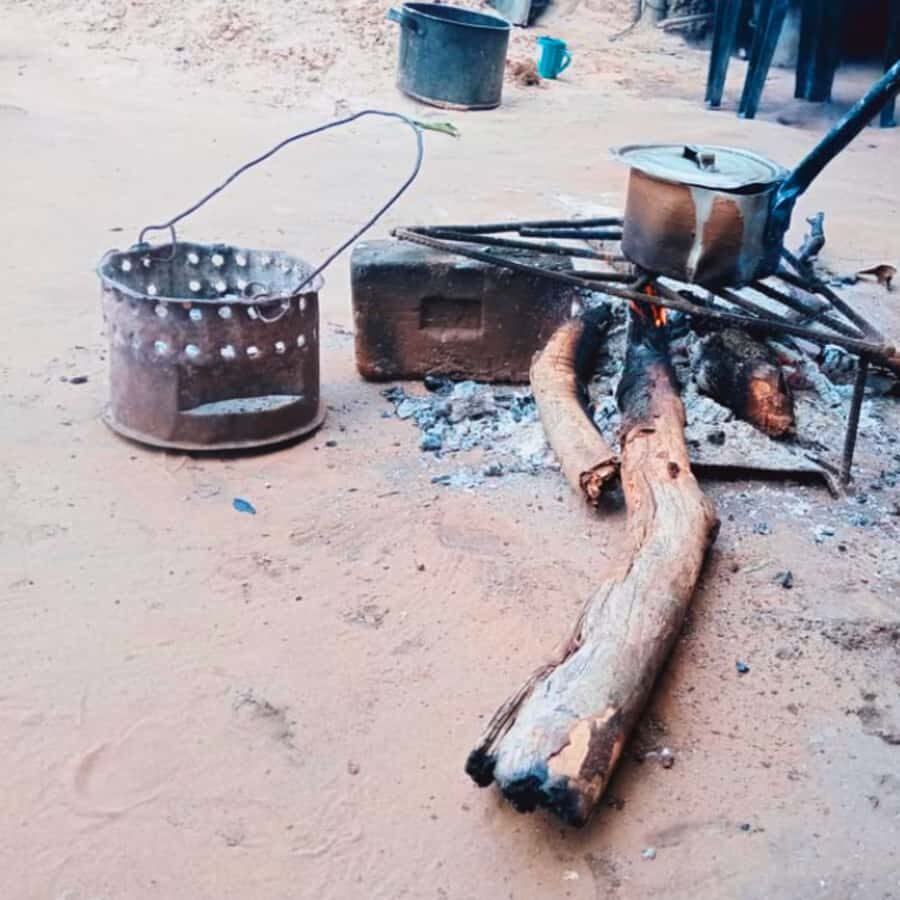
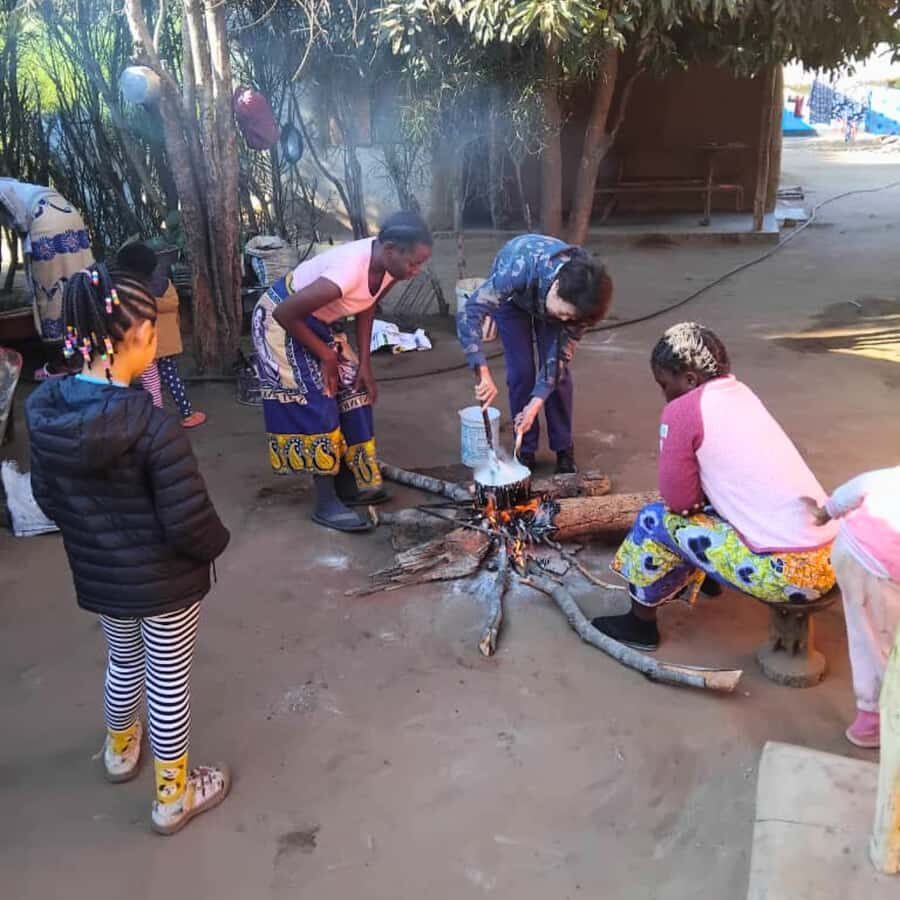
The lunch is one of the best parts because it’s tied directly to the people who are hosting you. You’ll cook and eat a local lunch as part of the village experience, and the tour also includes coffee and tea.
I like tours most when the food is not an afterthought. Here, lunch is a centerpiece. It gives you time to slow down, talk, and build comfort with the community. And if you’re traveling in the heat, a real meal can be the difference between enjoying the second half and feeling wiped out.
One practical note: you’ll want to pace yourself. The day includes outdoor walking and a canoe ride later. Eat enough to keep your energy steady, but save your stamina for the sunset portion.
The Cultural Dance Moment: Participation, Not Just Watching

After lunch and coffee/tea, the tour includes a beautiful cultural dance experience. This is the part where you see performance as something the community does, not something staged for outsiders.
The best dances are the ones you understand a little more—like why the movement matters or how it connects to community identity. Your guide may also help with context, and you’ll already have a better sense of village life by the time the music starts.
This is also where your energy usually resets. Even if the walk was hot, the dance moment often brings the day back to life in a joyful way.
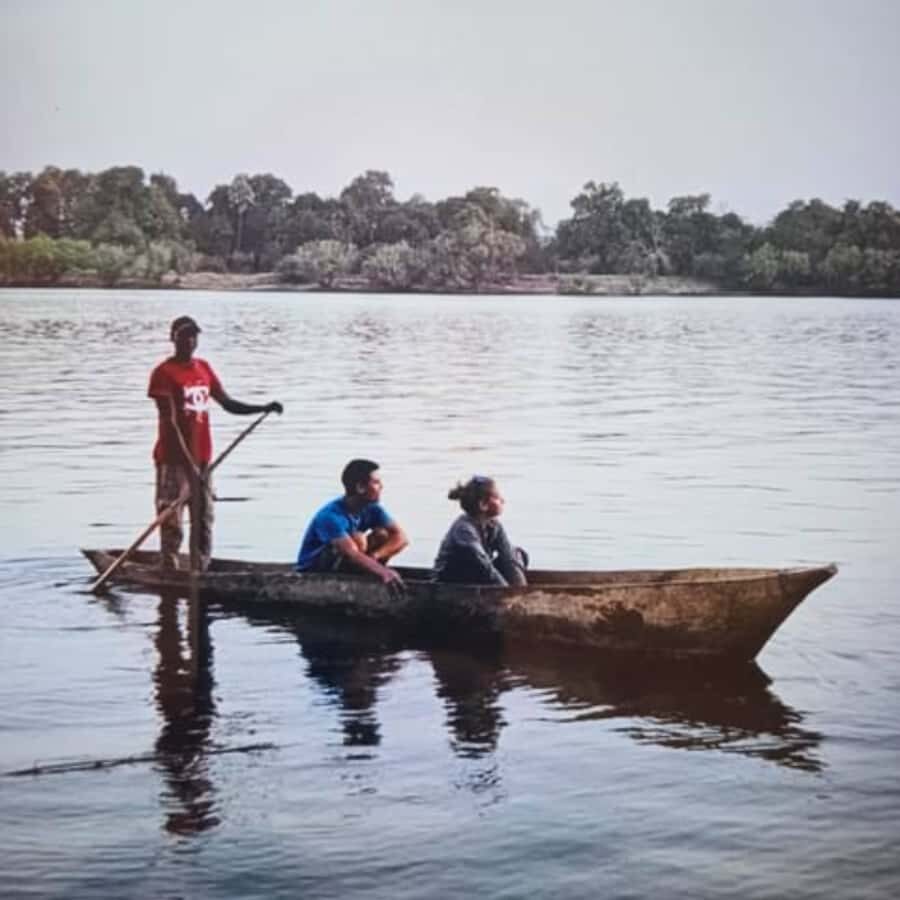
Sunset Canoe Ride on the Zambezi: Gorgeous Views, Follow Instructions
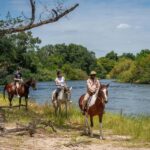
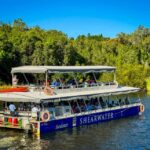
The sunset canoe ride on the Zambezi River is included, and this is a big reason the tour feels special. The Zambezi at golden hour can look unreal, and you’re seeing it from a traditional wooden canoe style experience.
Now, here’s the practical side. A canoe ride can be stable or it can feel a bit wobbly depending on boat design, water conditions, and how your group balances. The key is to listen carefully to your guide and keep the group moving smoothly. Don’t try to stand up for a photo. Don’t rush movements. If hippos or crocodiles are in the area, the river environment is a reason to stay calm and follow safety cues.
This is also the time when wildlife sightings become possible. The tour information notes that you might see animals like hippos, lions, elephants, or crocodiles. Realistically, wildlife spotting is never guaranteed, but sunset is a great window for keeping your eyes open.
Wildlife Possibilities: Manage Expectations, Keep Your Eyes Open
The tour explicitly mentions possible sightings of hippos, lions, elephants, or crocodiles. That means you should pack your mind for “maybe,” not “must.”
If you do spot animals, it will likely happen as you’re traveling or moving near river areas—not as a controlled zoo-style viewing. That’s part of the authenticity. It’s also why you should keep a cool head and stick to your guide’s directions if you’re near the river or on a boat.
In practical terms: binoculars aren’t mentioned, so bring what you already have. But do make sure your phone is ready and your hands are free before any photo opportunities.
What to Bring for a 7-Hour Lozi Village Day
Bring the basics, because the tour experience expects you to be outside and moving:
- Sunscreen
- Water (the tour says you must bring enough for the whole trip)
- Rain gear
- Biodegradable insect repellent
Because water is not included, I’d rather over-pack than under-pack. Also consider a hat and closed-toe shoes, even though they aren’t listed. If you end up moving around uneven ground, comfort matters.
If it rains, rain gear becomes more than a nice-to-have. You’ll still be walking and spending time outdoors.
Who This Tour Suits Best
This tour is a great fit if you want:
- A genuine village visit close to Livingstone
- A mix of learning (school history, buildings, alcohol-making) and celebration (dance)
- A day that supports education through profits to Tusoleke Trust School
- A sunset canoe ride on the Zambezi with a local guide
It may be less ideal if you hate long hot days or you’re traveling with someone who struggles with outdoor walking. Also, if you dislike canoe rides or aren’t comfortable following balance and movement instructions, take that seriously before you commit.
On the flip side, if you like community-based experiences and you’re open to conversation, this is the type of day you’ll talk about long after the photos are posted.
Should You Book the Muke Village Tour?
If your goal is to understand life in a Lozi community near Livingstone, this is a strong choice. The included school visit and the fact that profits support Tusoleke Trust School give the day real purpose beyond sightseeing. Add handcrafted lunch, culture dance, Lozi words, and the sunset canoe ride, and the day feels thoughtfully built.
I’d book it if you’re willing to plan for heat and you’ll bring your own water. If you’re expecting a short, easy, fully comfortable tour with minimal time outdoors, consider a different option. This one rewards the people who show up ready for a real day in the village.
FAQ
How long is the Livingstone: Muke Village & Dance Culture tour?
The tour lasts 7 hours.
What’s included in the price?
It includes transportation to and from Livingstone, a local tour guide (English), traditional lunch, village walk, learning how local alcohol is made, learning Lozi words, a visit to Tusoleke Trust School, coffee and tea, and a sunset canoe ride.
Is water included during the tour?
No water is included. You should bring enough water for the whole trip.
Do I get pickup from Livingstone?
Yes. Pickup is included, and you should wait in the hostel or hotel lobby about 10 minutes before the scheduled pickup time.
Can I see wildlife like hippos or crocodiles?
It’s possible to see nice animals like hippos, lions, elephants, or crocodiles, but sightings are not guaranteed.
What should I bring?
Bring sunscreen, water, rain gear, and biodegradable insect repellent.