REVIEW · LIVINGSTONE
Cultural And Village Tour
Book on GetYourGuide →Operated by Boris P Safaris And Tours · Bookable on GetYourGuide
Mukuni’s village life is small, personal, and real. In Matabeleland North, Zimbabwe, this 2-hour cultural and village visit focuses on the Leya people’s everyday traditions: homesteads, local craft, and time with the community elders. I like that it’s built around face-to-face cultural sharing, not a quick photo stop.
Two things I really appreciate: the chance to meet village elders, and the inclusion of return transfers plus drinks and snacks at a very straightforward $40 per person. That combo helps you spend more of your time on the people and less on logistics.
One thing to consider: based on past experiences, the tour can feel lighter than the longer version of the description (shorter time inside the village, and sometimes fewer activities shown than you might expect). If you’re looking for specific stops like school visits or food-prep moments, I’d ask what you’ll definitely see on your departure.
In This Review
- Key things to know before you go
- Mukuni and the Leya People: What this cultural visit is really about
- Two hours in the village: the timing that affects what you’ll remember
- Craft village stop: where “local art” turns into real context
- Meeting village elders: why this part matters most
- Food and culture interactions: what you might get (and how to plan)
- Price and value: is $40 reasonable for this format?
- Logistics that matter: group size, guide language, and what you’ll feel on the ground
- Who should book this tour, and who should choose another option
- Should you book Mukuni village culture tour with Boris P Safaris And Tours?
- FAQ
- Where does this cultural tour take place?
- How long is the Mukuni cultural and village tour?
- How much does it cost?
- What’s included in the price?
- What group size should I expect?
- Is the tour wheelchair accessible?
- What language is the guide?
- Is free cancellation available?
- Does the tour include meeting village elders?
Key things to know before you go
- Small group limits you to just 2 participants, so questions land and conversations feel more natural.
- Elder meeting is a core highlight, which makes this more than a craft-and-walk experience.
- Craft village visit gives you a practical way to understand local art traditions and materials.
- English-speaking guide helps you connect what you see with what it means.
- Village time can vary, so confirm which activities are guaranteed (especially schools/food moments).
Mukuni and the Leya People: What this cultural visit is really about
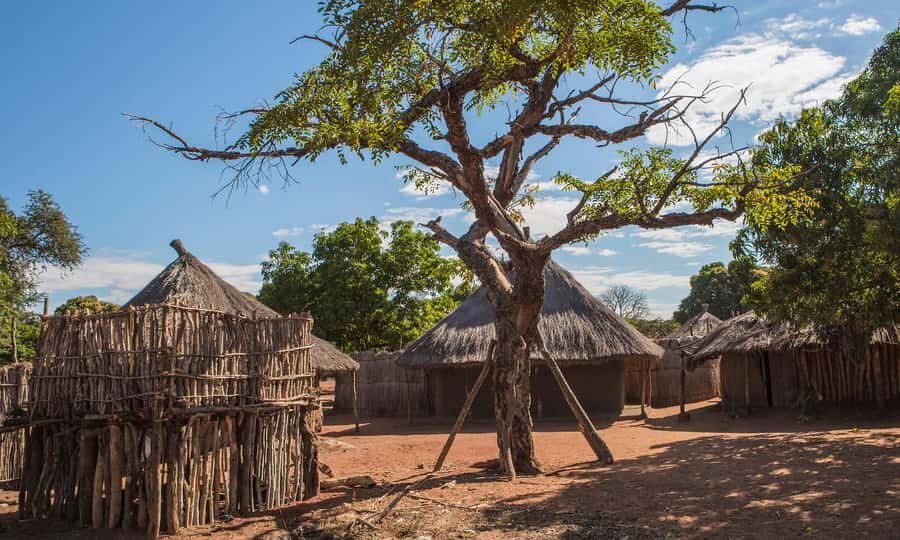
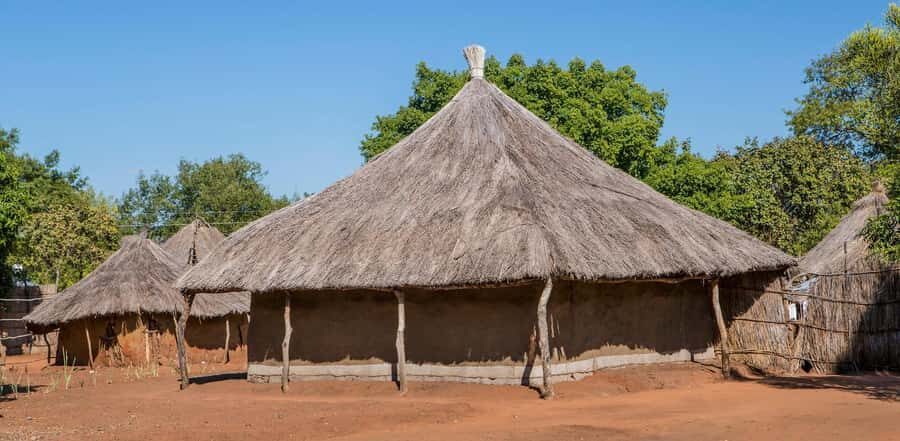
This tour is centered on the Leya community in Mukuni village, in the Victoria Falls region (the details point you to that area as your reference point, with the tour run from Matabeleland North, Zimbabwe). It’s the kind of experience where the value is in learning how people live, not in checking off a museum-style list.
From the description, you’re not just meant to watch. You’re meant to ask questions and take part in local culture—things like homestead visits, learning about traditions, and possibly interactive activities such as traditional food preparation or cultural performance. That matters because “culture” becomes real the moment you see how it’s practiced daily.
And because this is a small group experience (limited to 2 participants), you get a better chance to understand what’s happening. In larger groups, guides often move fast to keep everyone together. Here, you can slow down and ask the extra question that changes the whole experience.
You can also read our reviews of more tours and experiences in Livingstone.



Two hours in the village: the timing that affects what you’ll remember

The whole tour is listed as 2 hours, including your time moving between the pickup point and the village area. That’s a short window, and it can shape your expectations.
One key point: even if the tour includes multiple “topics” (craft, elders, food, possibly schools/clinics), you might not see every one of them in the exact way you pictured from a full-length program. In at least some experiences, the walk-through portion of the village has felt brief, with less time for the hands-on moments described.
So here’s my practical advice: treat this as an introduction. You’ll likely leave with a stronger understanding of Leya community life and traditions, but if you’re hoping for a packed itinerary (for example, extended school interaction or a full cooking sequence), build that need into your questions before you book.
If your top priority is elders, put that at the top of the conversation with your guide. If you care most about traditional food moments, ask specifically whether you’ll participate or just be shown the process.
Craft village stop: where “local art” turns into real context

A highlight of this tour is the local craft village visit. This is more valuable than it sounds because crafts usually come with stories: what materials are used, how work is learned, and what objects are made for.
In a craft area, the easiest mistake is to treat everything like souvenirs and move on. I’d instead treat it like a cultural lesson. Look for the small details—how items are constructed, what tools are used, and who is doing the work. Then ask your guide to connect the craft to daily life or community tradition.
This stop also tends to be where people feel the most pressure to buy. Some markets anywhere can be intense, and the experiences around this tour suggest that the “sales energy” can show up. If you want the cultural learning without impulse purchases, set a personal rule before you go: you’re allowed to browse, ask questions, and say no.
If you do want to buy, do it with care. Ask about the meaning, the maker, and what the item is made from. That turns a purchase into something more meaningful—and less like a hurried transaction.
Meeting village elders: why this part matters most
The opportunity to meet the village elders is explicitly named as a highlight, and it’s usually the emotional center of a community tour like this.
Elders represent continuity. They’re often the people who can explain how traditions are maintained, how beliefs are taught, and how community decisions are discussed. When you meet them, you’re not just learning facts. You’re learning perspective—how people frame life, roles, and values inside the village.
This is also where your questions matter most. If you can, ask about what visitors should understand before assuming anything. Questions like what daily routines look like, what traditions are most important to protect, or what changes have come over time often lead to better answers than questions focused only on history dates.
Because the group is so small, you should have a better shot at a real conversation rather than a quick handshake and a few rehearsed lines. Even if the elder meeting is brief, it can still be the most memorable part.
Food and culture interactions: what you might get (and how to plan)
The overview describes interactive options such as cooking traditional meals and practicing cultural dances, plus visits to local schools and clinics to understand daily life. That’s a helpful promise, and it’s exactly the sort of activity that turns observation into understanding.
But here’s the reality check: a tour constrained to 2 hours can’t always include every optional activity in a deep way. Some experiences suggest that the village walk-through can be shorter than the full list implies, and that not every described moment happens every time.
So if food and school visits are your main reason for booking, do two things:
- Ask your guide what’s included in your exact departure.
- Ask what you’ll definitely see, not what might be possible.
If your priority is cultural sharing, even without long hands-on segments, you can still have a meaningful visit. You can learn by watching and asking. But if you want participation—like helping with a cooking process—confirm that it’s scheduled, not just “available.”





Price and value: is $40 reasonable for this format?
At $40 per person for a 2-hour cultural and village tour, the value equation depends on what you get inside that time. The tour includes return transfers, plus drinks and snacks, and it uses a live English-speaking guide.
For many people, the real value isn’t the activities listed—it’s the fact that you’re getting guidance, translation, and structure in a short window. You don’t need to coordinate transport yourself, and you’re more likely to get meaning rather than just movement.
That said, the earlier mismatch in how much is seen (like time inside the village and whether drinks/snacks appear as expected) is the part you should watch. If the tour runs efficiently, $40 feels easy. If the village time shrinks and key moments don’t happen, it can feel tight.
My rule of thumb: this is a good deal if your expectations match an introduction-to-community experience. It’s not a bargain if you’re expecting a full day of village life and multiple structured stops.
Logistics that matter: group size, guide language, and what you’ll feel on the ground
The tour is wheelchair accessible, and that’s a genuine practical benefit, especially for an activity that’s about walking through homesteads and village areas. The group is limited to 2 participants, which is a big deal. It changes how the guide can respond, how questions get answered, and how much time you spend at each point.
The guide is listed as English, which matters for cultural interpretation. A good guide can connect what you’re seeing to what it means. With only two participants, there’s more room for explanation instead of constant regrouping.
One more practical tip: confirm pickup time with buffer. There’s evidence that pickup can be later than expected, at least on some departures. You don’t need to panic, but you should plan your day so a small delay doesn’t derail anything important.
Who should book this tour, and who should choose another option
This tour fits best if you want:
- a short, guided cultural introduction to the Leya community in Mukuni village,
- a chance to meet elders and visit a craft area,
- an experience where you can ask questions and slow down a bit (because it’s only up to 2 people).
Choose another option if you’re looking for:
- a long, heavily structured day packed with guaranteed school/clinic interaction and hands-on food prep for every guest,
- a tour where you want zero uncertainty about how many activities happen in the village.
If you’re traveling with older family members or you need wheelchair accessibility, this is one of the better-aligned options among village visits because it’s explicitly listed as wheelchair accessible.
Should you book Mukuni village culture tour with Boris P Safaris And Tours?
I’d book it if your expectations match a 2-hour cultural meeting format: elders, craft village, and a guided explanation of Leya traditions, with transfers and snacks included. The $40 price works best when you treat it as an introduction and you plan to ask targeted questions.
I’d hesitate if you’re counting on very specific activities happening exactly as described—like full school or cooking participation—without any flexibility. In that case, message the provider in advance and ask what is guaranteed for your departure. Get clarity early, and you’ll protect the value of your time.
If you want a meaningful, human-scale experience without spending half a day in transit, this one is worth considering. Just go in ready to learn, not ready to tick off every imagined scene.
FAQ
Where does this cultural tour take place?
The tour is listed as being in Matabeleland North, Zimbabwe, with the village visit described in the Victoria Falls region.
How long is the Mukuni cultural and village tour?
The duration is listed as 2 hours.
How much does it cost?
The price is $40 per person.
What’s included in the price?
It includes return transfers, drinks and snacks, and a live tour guide in English.
What group size should I expect?
It’s a small group limited to 2 participants.
Is the tour wheelchair accessible?
Yes, it is listed as wheelchair accessible.
What language is the guide?
The tour guide speaks English.
Is free cancellation available?
Yes. You can cancel up to 24 hours in advance for a full refund.
Does the tour include meeting village elders?
Yes. Meeting village elders is listed as an opportunity and a highlight.