REVIEW · MASVINGO
MASVINGO; GREAT ZIMBABWE MONUMENT TOUR – FROM HARARE
Book on GetYourGuide →Operated by BST Investments (pvt) ltd · Bookable on GetYourGuide
Stone walls, long before modern Zimbabwe. This Harare day trip is interesting because it turns an UNESCO site into a curator-led story of the Shona empires, from the stones to the meaning of the country name. I especially like the mix of Hill Complex climbing and big-sky views with museum time so you are not just looking at rocks. One consideration: it is a long day with an early start and some physical effort, so plan for the drive and skip this if you have low fitness or high blood pressure.
A smooth pickup makes a big difference on a trip like this. In at least some cases, the guide coordination (for example, Brighton in one set of experiences) keeps the pickup aligned with your hotel and the schedule running on time. The possible drawback here is that lunch choices are up to you, so if you wait until you feel hungry, you might end up with whatever is easiest rather than what you would prefer.
If you like history you can walk through, this fits your style. You will spend the day moving between the Hill Ruins, the Great Enclosure, and the Valley Ruins with a guide who explains how the site was built and why it matters. Just remember the rules on footwear and items: this is not the day for high heels or anything bulky.
In This Review
- Key points I think matter most
- How the 338 km drive shapes your day trip
- Great Zimbabwe in plain terms: Shona empires and why the name matters
- Hill Complex climb: views, footwear, and what you should expect
- Museum stop and guided interpretation that actually connects the dots
- Great Enclosure and the Valley Ruins: your photo spots, minus the guesswork
- Lunch timing in Masvingo vs. Great Zimbabwe Hotel (and why it matters)
- Price and value: is $315 worth one long day?
- What to pack, what to skip, and who should reconsider
- Pickup and drop-off from Harare: how to make it easier on yourself
- Optional sleepover near the ruins: when one day is not enough
- Should you book the Great Zimbabwe Monument tour from Harare?
- FAQ
- How long is the Great Zimbabwe day trip from Harare?
- What time do we depart Harare for Great Zimbabwe?
- How far is Great Zimbabwe from Harare?
- How long is the drive back to Harare?
- What do you see at the Great Zimbabwe monument?
- Is the monument entry fee included?
- Is lunch included in the tour price?
- What should I bring for the climb?
- Who is this tour not suitable for?
- Is there a minimum group size, and is cancellation flexible?
Key points I think matter most
- Zimbabwe is named after Great Zimbabwe: you will hear how the country’s name comes from the stone monuments.
- Climb first, eat later if possible: the ideal flow is Monument time before lunch near the ruins.
- You are not going in blind: a curator guides you through the monument and construction details.
- It is a big site in a tight window: Hill Complex, museum, Great Enclosure, then Valley Ruins all within one day.
- Pickup and drop are built around Harare hotels: multiple pickup points make it easier than scrambling for transport.
How the 338 km drive shapes your day trip
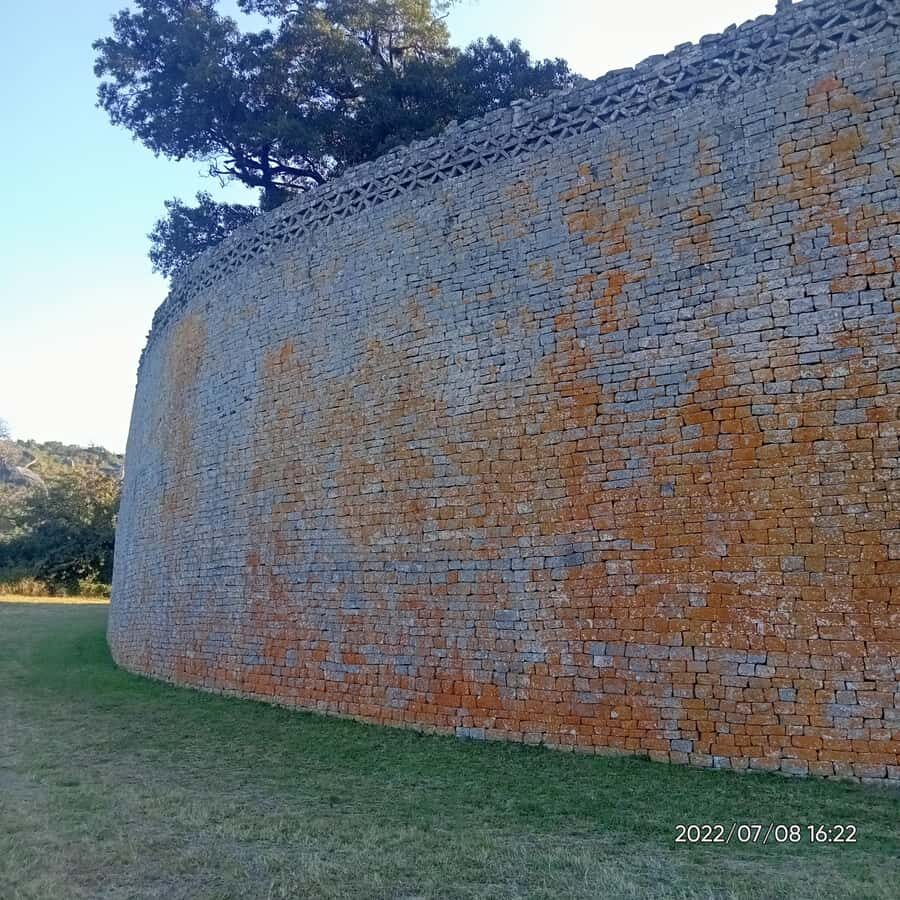
This is a road day, and the drive is a real part of the experience. The distance is about 338 km one way, with roughly 4 hours each way, so you should treat the day as a full outing rather than a quick sight stop. Departure is early—around 6:00–7:30 depending on the exact start time—so I suggest you set up your morning routine the night before.
Once you reach Masvingo, you do a brief refresh stop and then continue about 40 km to the National Monument area. That short in-town pause is your chance to grab snacks or plan lunch, but it is also where time can slip if you wander. The schedule is built so you can reach the monument in the morning and still have energy for the climb.
The return drive starts after the monument at about 16:30, and you typically arrive back in Harare around 07:30 depending on departure timing, weather, and traffic volume. That means you will want dinner plans for afterward, not a night of “one more stop.”
You can also read our reviews of more tours and experiences in Masvingo.
Great Zimbabwe in plain terms: Shona empires and why the name matters
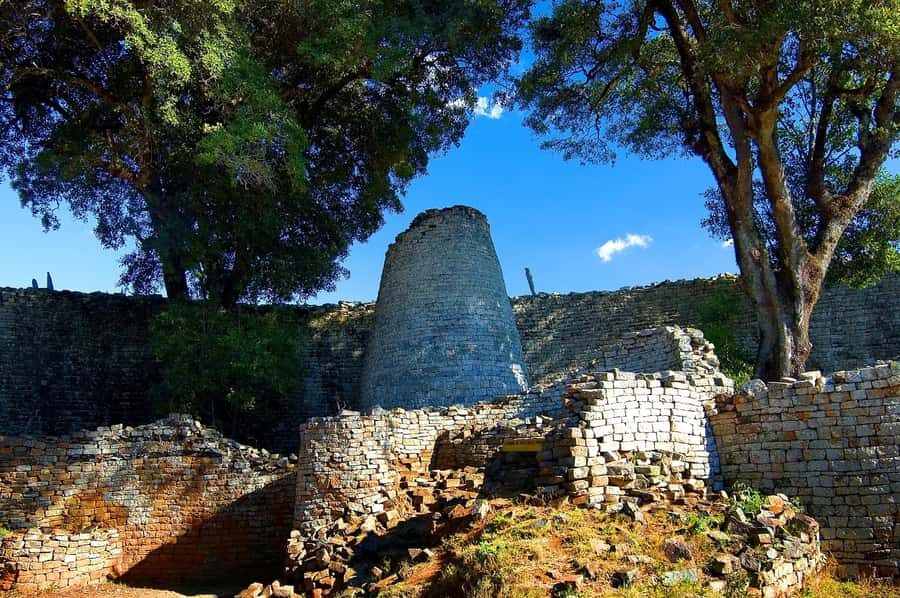
Great Zimbabwe National Monument is an UNESCO World Heritage Site, and it is big enough to make you slow down. The full property covers almost 800 hectares and sits in the lowveld at about 1,100 m altitude in a sparsely populated area tied to Bantu/Shona communities.
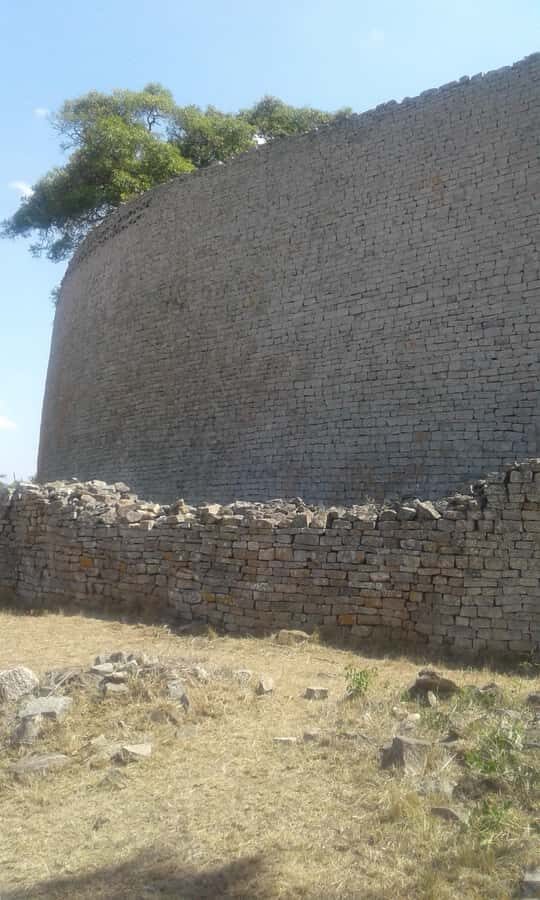
Here is what makes this place feel more than “ancient ruins”: the explanations focus on how the Shona civilization built and used the site between roughly 1100 and 1450 AD. You will also connect the ruins to modern identity. The name Zimbabwe is linked to the National Monuments of Great Zimbabwe, meaning big house made of stones. The story also includes the Zimbabwe Bird, a steatite bird symbol that the nation adopted as a royal totem and emblem.
I like that the tour does not just point at walls. You get context for the three main groupings—Hill Ruins, Great Enclosure, and Valley Ruins—so you understand what you are seeing rather than treating it as a photo backdrop.
Hill Complex climb: views, footwear, and what you should expect
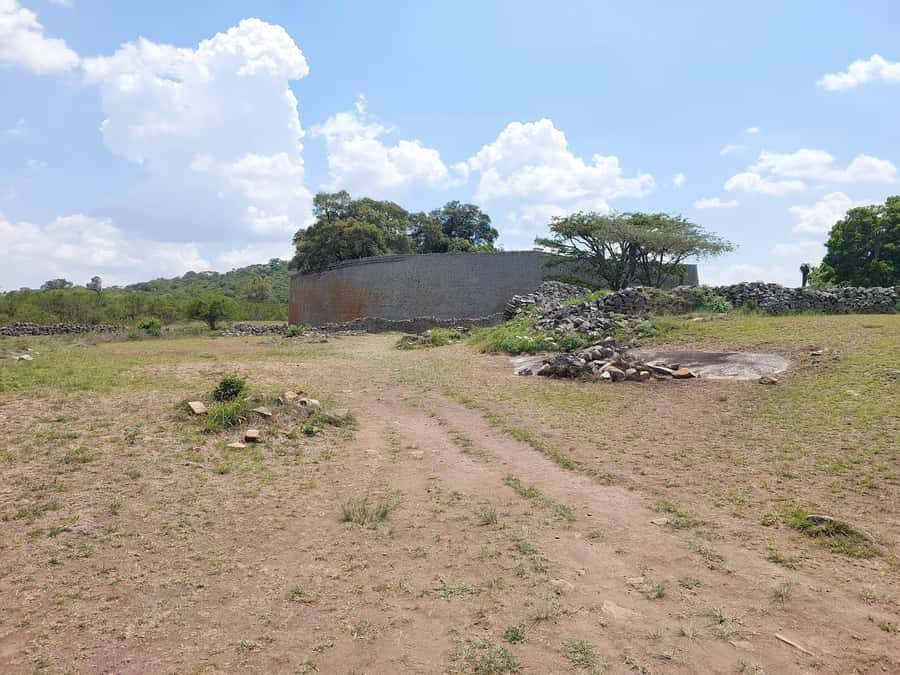
The day begins with monument time, and the first major physical moment is the climb to the Hill Complex. This is not presented as a marathon, but it is a climb, and the rules around climbing gear hint that you should come prepared for uneven ground and steps. Bring your climbing gear, and skip footwear that makes slipping more likely.
What you get for the effort is perspective. From higher ground, you can read the site’s layout and appreciate how the builders created a powerful stronghold in that setting. I also think this timing helps emotionally: you see the structures early, before the day turns into pure logistics and travel fatigue.
Footwear rules are strict. High-heeled shoes are not allowed, and the list of prohibited items is clear about safety and control—no weapons or sharp objects, no oversize luggage, and you should avoid intoxication. If you keep it simple—good shoes, small bag, water plan—you will enjoy the climb more and stress less.
Museum stop and guided interpretation that actually connects the dots
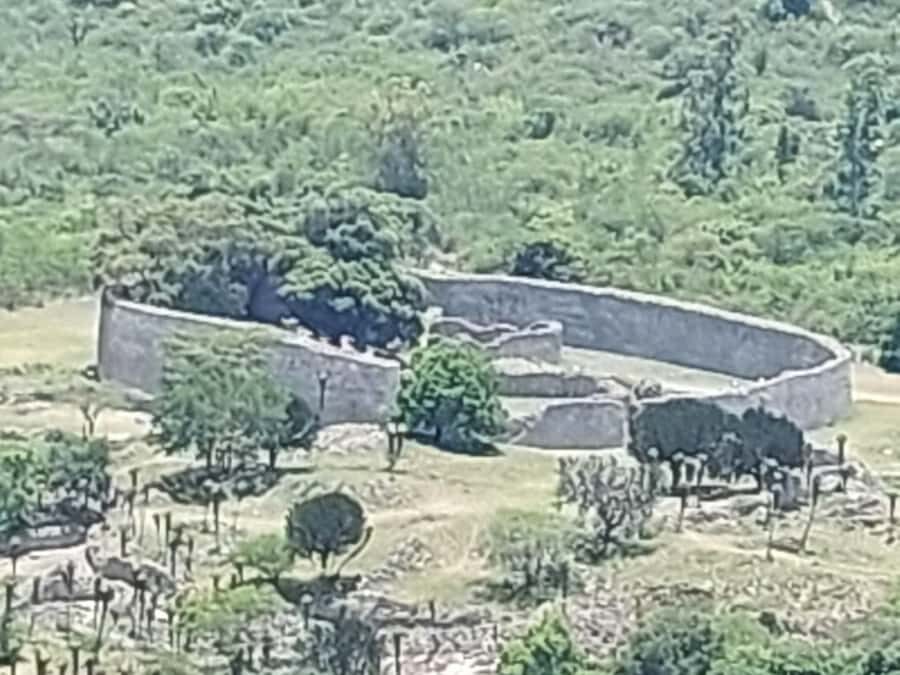
After the Hill Complex, you visit the Museum. This stop matters because it gives you the “why” behind the “what.” The guide (a curator) is included throughout the monument tour, and the museum time supports the construction story—how the stonework was made, what the site represented, and how the Shona empires connected to the monument complex.
If you are the type who forgets half the explanation once you start walking again, the order here helps. You climb, then you shift to interpretation, then you move into the main enclosure and the valley areas. It is a good way to keep information in your brain long enough to match it to the stones you are standing near.
The other practical plus: you get museum time without having to guess what to ask. The tour guide is there to give full detail of history, culture, and how the monument was constructed, in English. That language coverage is helpful if you are traveling with friends who do not want to rely on guide apps or struggle through signage.
Great Enclosure and the Valley Ruins: your photo spots, minus the guesswork
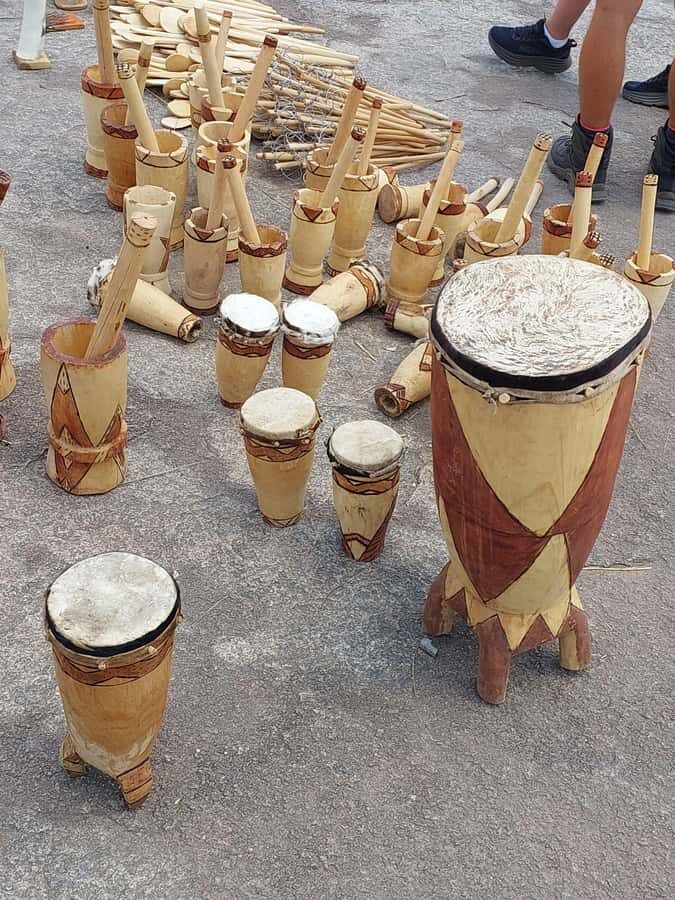
The highlight sections are the ones you can feel in the body: the Great Enclosure and the Valley Ruins. The Great Enclosure is the part people often imagine when they think of Great Zimbabwe—big stone walls and a sense of scale that hits you even if you are not a hardcore ruins person. But the value of the guided approach is that you learn what the enclosure represents and how it fits into the larger complex.
Then you move into the Valley Ruins, which help you see the site as a system rather than one dramatic wall. The three-part layout—Hill Ruins, Great Enclosure, Valley Ruins—is there for a reason, and having the tour guide walk you through it helps you stop thinking in one-dimensional snapshots.
This is also where the UNESCO status becomes real in your mind. When a place is preserved because of its importance, it usually means the layout and the craftsmanship matter, not just the view. The guided flow helps you notice those details instead of racing to the next stop.
Lunch timing in Masvingo vs. Great Zimbabwe Hotel (and why it matters)
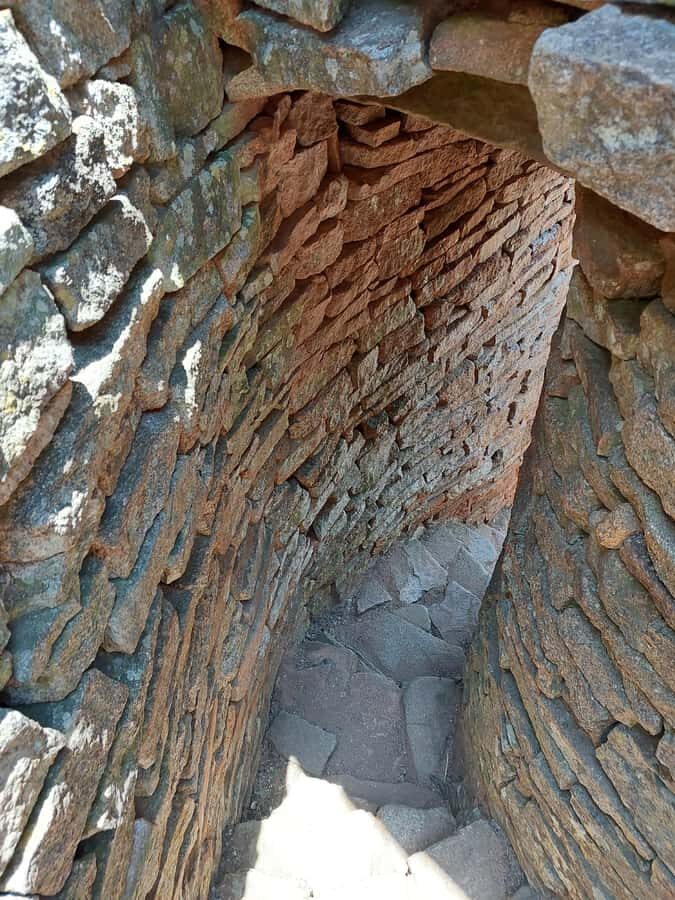
Lunch is not automatically included, which is important. You can choose to buy lunch at Great Zimbabwe Hotel (about 1 km from the ruins) or eat in Masvingo town on the way back to Harare. The practical advice here is timing: doing the monument tour before lunch is generally the better plan because you get the most energy and attention for the climb and enclosure viewing.
If you arrive hungry, you might be tempted to rush lunch and then rush the monument. That is when people miss details, and the site deserves better than that. Instead, treat lunch as your recovery break after you have done the key sights.
You will also have a short chance for refreshments around Masvingo, and mineral water is included. So you are not going to be stranded without drinks, but do not assume your full meal plan is handled for you.
Price and value: is $315 worth one long day?
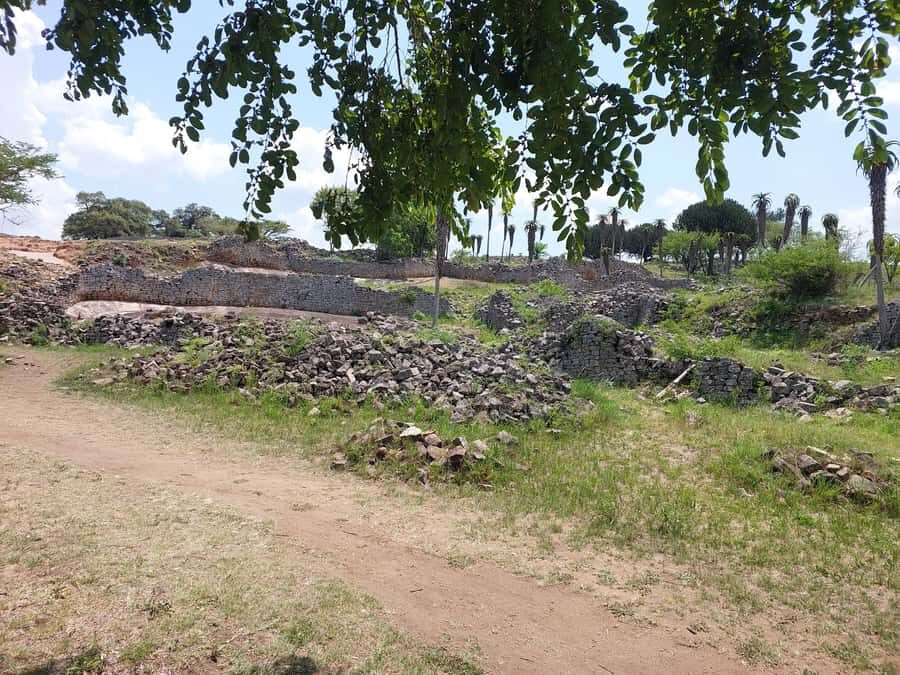
At $315 per person and a 14-hour day, this is not a budget impulse buy. Still, the price looks more reasonable when you break down what you actually get for it.
You are paying for:
- Road transport from Harare with sightseeing along the way
- Mineral water and refreshments
- Monument tour including entry fees
- A curator guide who covers history, culture, and construction detail
- Pickup and drop at major Harare locations
If you tried to DIY it, you would still need transport to and from the ruins area, someone to guide you through the key parts, and the entry process once you get there. The guide component is the big value lever: Great Zimbabwe can be impressive even on your own, but understanding why these walls and sections exist is where the tour earns its keep.
So I see this as good value if you want interpretation and a reliable schedule, not just a car ride to take photos. If your priority is spending as little as possible and you are happy reading independently, you might want to compare options. But if you want to leave with the story straight, the included guide and entry fee are the difference-maker.
What to pack, what to skip, and who should reconsider
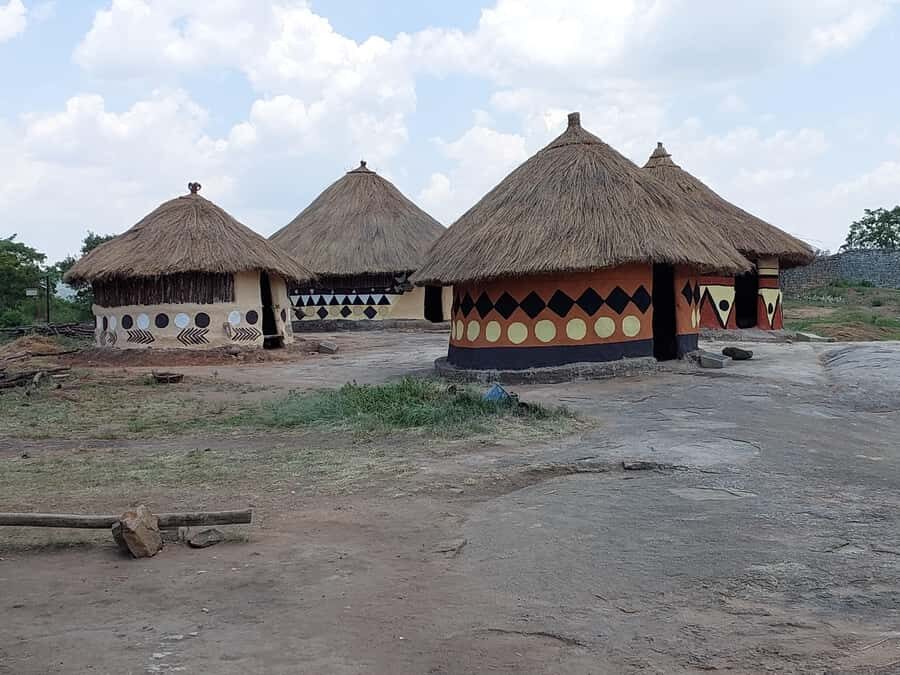
This day trip includes walking and climbing elements, so packing and health fit matter. Bring:
- Passport (and for kids, a passport or ID card as required)
- Climbing gear
- Comfortable clothing that you can handle for a full day outdoors
You also need to follow what is not allowed. The rules include no high-heeled shoes, no pets, no weapons or sharp objects, and no oversize luggage. Intoxication and alcohol/drugs are also not allowed. The list is strict for a reason—safety and site management.
Health and physical limitations are clearly flagged as well. This tour is not suitable for people with high blood pressure or low level of fitness, and there are multiple weight limits listed (including caps at 125 kg, 135 kg, and 140 kg, among others). There is also a clear upper age guidance: people over 95 years are not suitable.
If you are uncertain, treat the climb and the long drive as the deciding factor. This is a structured outing, not a sit-and-stroll day.
Pickup and drop-off from Harare: how to make it easier on yourself
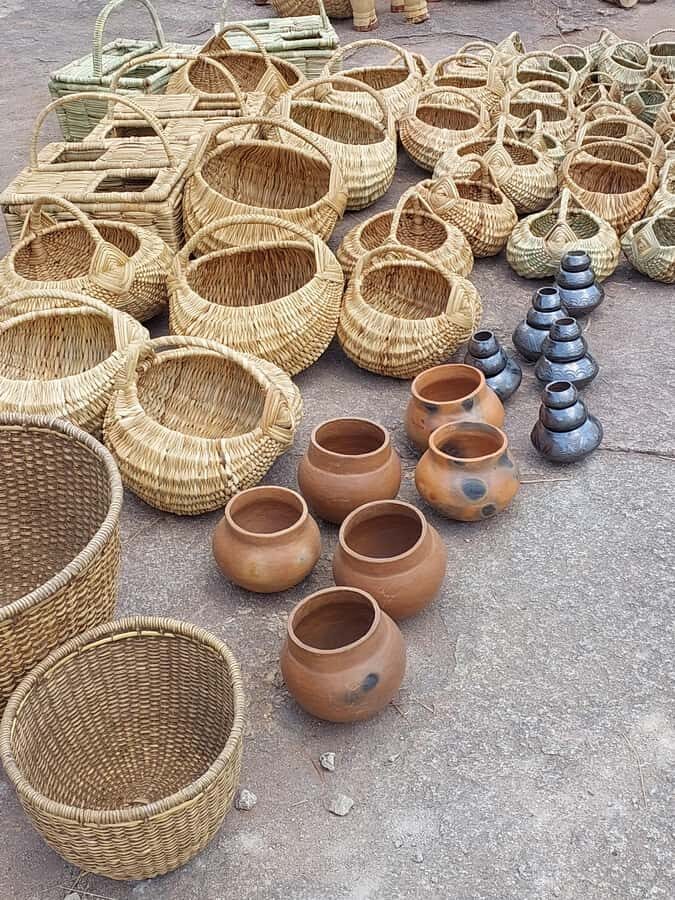
One of the underrated benefits is convenience. Pickup is available from seven locations in Harare, including major hotels and central spots like Harare City Centre and the airport area. Drop-off includes seven matching options after the return drive.
This matters because it reduces the friction that can eat an early start. Instead of negotiating rides or wasting time finding meeting points across town, you go from your hotel to the highway and back.
The guide also coordinates with hotel front personnel, and the driver will give notice of arrival. In at least some cases of experiences, coordination was aligned in advance, making the whole morning feel controlled rather than chaotic.
To benefit from that setup, I suggest you confirm your pickup address and stay reachable early in the morning. If you are late, the schedule does not wait for late.
Optional sleepover near the ruins: when one day is not enough
If you want less pressure, there is an option to sleep over near the ruins and depart the following day. Accommodation is available at the Great Zimbabwe Hotel and Lodge at the Ancient City, but it is at your own cost. That changes the vibe from a rushed day trip to a slower visit with more breathing room.
This option is especially appealing if you know you will feel the drive and climb. But if you want a simple one-day trip with a predictable return to Harare, the day trip works fine as long as you plan for the full schedule.
Should you book the Great Zimbabwe Monument tour from Harare?
Book it if you want a guided day that turns Great Enclosure, the museum, and the Valley Ruins into a clear story you can actually explain afterward. I think it is a strong pick if you care about meaning—like why Zimbabwe gets its name from these stone monuments and how the Zimbabwe Bird fits into the symbolism.
Skip it or reconsider if you are sensitive to long travel days, have health limits like high blood pressure, or you know you struggle with climbing. Also, go in knowing lunch is your choice, not a guaranteed meal plan.
If your goal is value through interpretation—entry fees handled, curator guidance included, and pickup organized—this $315 tour is a reasonable way to see Great Zimbabwe without turning your day into a logistics puzzle.
FAQ
How long is the Great Zimbabwe day trip from Harare?
The tour duration is listed as 14 hours, with the going and return part taking about 12–13 hours depending on timing and conditions.
What time do we depart Harare for Great Zimbabwe?
Departure is scheduled early in the morning, with options around 06:30, and sometimes adjusted to about 07:00 or 07:30. Another timing listed is departure at 06:00.
How far is Great Zimbabwe from Harare?
The driving distance from Harare to Masvingo is approximately 338 km one way, which is about 4 hours of road travel. The monument itself is about 40 km from Masvingo Town.
How long is the drive back to Harare?
After departing Great Zimbabwe around 16:30, you are expected to arrive in Harare around 07:30, depending on departure timing, weather, and traffic.
What do you see at the Great Zimbabwe monument?
The guided visit includes climbing up the Hill Complex, visiting the Museum, touring the Great Enclosure, and visiting the Valley Ruins.
Is the monument entry fee included?
Yes. The monument tour includes entry fees, and a curator guides you through the monument.
Is lunch included in the tour price?
Lunch is not explicitly included. You can choose to eat at Great Zimbabwe Hotel (about 1 km from the ruins) or in Masvingo town on the way back to Harare.
What should I bring for the climb?
Bring your passport (or ID card for children, as required) and climbing gear. Wear footwear appropriate for a climb and avoid high-heeled shoes.
Who is this tour not suitable for?
It is not suitable for people with high blood pressure or low level of fitness, and there are weight and age limits listed (including a restriction for people over 95 years).
Is there a minimum group size, and is cancellation flexible?
The tour has a minimum of 2 people. There is also free cancellation up to 24 hours in advance for a full refund, and a reserve-now, pay-later option is offered.