REVIEW · ZAMBEZI RIVER
Livingstone: Amazing Traditional Village Tour
Book on GetYourGuide →Operated by Community Tusoleke Trust School muke Village · Bookable on GetYourGuide
A village tour near Livingstone is a fast way to change your perspective. In just 3.5 hours, you’ll visit Muke Village, chat with locals, watch daily routines up close, and learn how traditional buildings and local alcohol are made. It’s also one of those rare activities where the money has a clear purpose.
I especially like that the guide is Alex Jakanani, vice-chair of the Simonga World Development Committee and founder of Tusoleke Trust School. I also like how interactive the experience feels, including a village walk, meeting children, and a school stop where kids sing and dance. A small practical consideration: bring your own water, because the tour doesn’t include any.
In This Review
- Key highlights worth your time
- Where Muke Village fits in your Livingstone day
- Meet Alex Jakanani and get the real context
- The village walk: daily life, friendly energy, and Lozi words
- Tusoleke Trust School stop: see education in action
- Traditional buildings: how construction knowledge shows up in daily life
- Local alcohol making: learning the process respectfully
- Coffee and tea: a small pause that makes the conversation better
- Price and value: why $50 can make sense here
- What to bring so the 3.5 hours feel easy
- Pickup timing and how to plan your day
- Who this tour suits best
- Should you book the Livingstone Muke Village tour?
- FAQ
- How long is the traditional village tour in Muke Village?
- Where does the tour take place?
- Is transportation included from Livingstone?
- Is the tour guided in English?
- Does the tour include water?
- What does the tour include besides the village walk?
- Is there free cancellation?
Key highlights worth your time

- Meet Alex Jakanani and learn the story of Muke Village from someone deeply involved
- Kids-first connection during your village walk, with lots of friendly interaction
- Tusoleke Trust School visit and time seeing students sing and dance
- Learn Lozi words as you go, not in a classroom lecture
- See traditional buildings get built, plus how local alcohol is made
- Coffee and tea included, which helps you slow down and chat
Where Muke Village fits in your Livingstone day
Livingstone is known for big-name attractions, but this tour is different. Instead of chasing the usual wildlife-and-water photos, you spend your time in a traditional Lozi village just 20 minutes from Livingstone. That short drive matters. It keeps the day feeling lively and lets you focus on people and routines instead of logistically long transfers.
The tour runs about 3.5 hours and is set up as a private group with English-speaking guidance. Private doesn’t mean fancy—it just means you’re not squeezed into a huge herd. That makes conversations easier, especially when kids are involved and attention shifts quickly.
Most importantly, this is a community-based visit tied to education. The tour notes that all profits go directly to Tusoleke Trust School, so you’re not just buying a look-you’ll-forget experience. You’re supporting the school you’ll also visit.
You can also read our reviews of more tours and experiences in Zambezi River.

Meet Alex Jakanani and get the real context
One of the strongest parts of this tour is your guide, Alex Jakanani. He’s not listed as a casual local host—he’s the vice-chair of the Simonga World Development Committee and the founder of Tusoleke Trust School. That matters because he can connect what you see in the village to why it exists and how the school fits into community life.
In a lot of tours, guides give you facts and move on. Here, the facts are tied to daily living: the history of Muke Village, the role of the school, and the practical skills behind traditional structures and local alcohol production. You can expect English explanations throughout the tour, and the pace feels built for questions.
If you like learning through conversation, not just looking, this is the kind of tour you’ll appreciate. And if you’re visiting with kids (or you’re a kid-at-heart), you’ll probably love that it’s not just adults talking. You’ll have real moments of back-and-forth as you meet children along the way.
The village walk: daily life, friendly energy, and Lozi words

The tour includes a village walk, and this is where the experience gets personal. The goal isn’t staged photo stops. It’s more like you’re being guided through how people live—what spaces are used, how routines work, and what locals want you to understand about their community.
This is also where the “cute children” highlight becomes more than a marketing line. You’ll get time to play with kids and connect in a natural way. That’s what many visitors end up remembering: how quickly the mood turns warm and human once you’re on the ground with the community.
You’ll also learn Lozi words during the visit. That detail might sound small, but it’s one of the best ways to break the typical tourist barrier. Even a few words can help you show respect, smile more, and communicate without turning every moment into a hand-waving mime show.
Practical tip: keep your interactions light and respectful. Kids often get excited fast. So bring a calm attitude, follow Alex’s lead, and remember this is their home—not a playground designed for visitors.
Tusoleke Trust School stop: see education in action
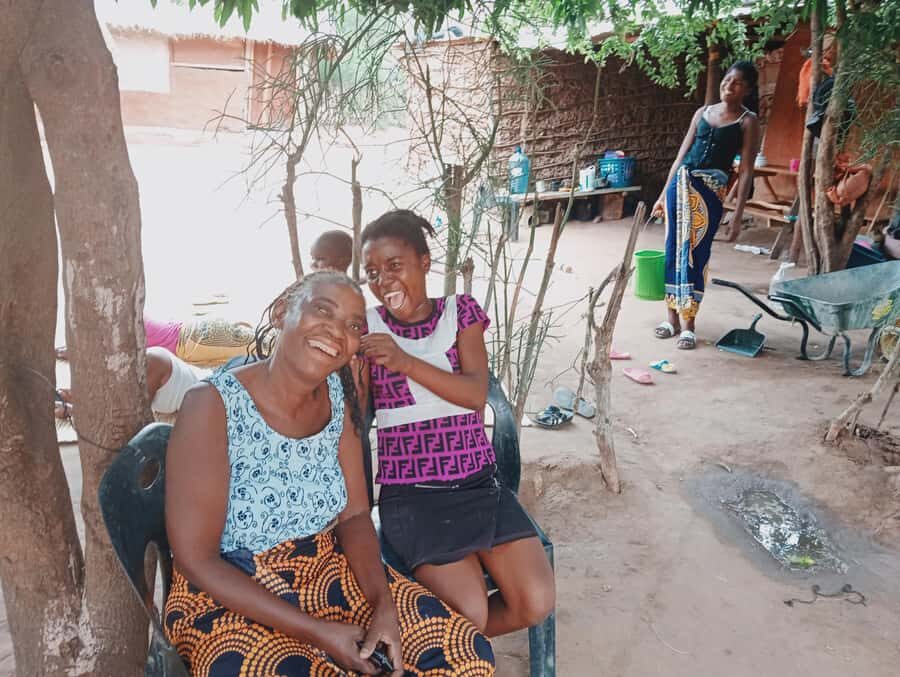
A big reason to book is the Tusoleke Trust School visit. You’re not only hearing that the tour supports education—you’re seeing it. The tour includes time at the school, and one of the standout moments is watching students sing and dance.
That kind of cultural performance is always a little nerve-wracking for visitors, since you worry you might be in the way. But this stop is clearly built into the tour structure, and the school visit ties directly back to why the village tour exists in the first place.
From a value perspective, the school visit makes the tour feel more accountable. If you care where your money goes, this is a strong setup: tour profits support the school, and then you see the kids you’re helping.
One practical consideration: school stops can feel emotional if you’re sensitive to educational disparities. If you don’t like that kind of emotional swing, still go—just set your expectations. This is a meaningful visit, not a quick photo op.
Traditional buildings: how construction knowledge shows up in daily life
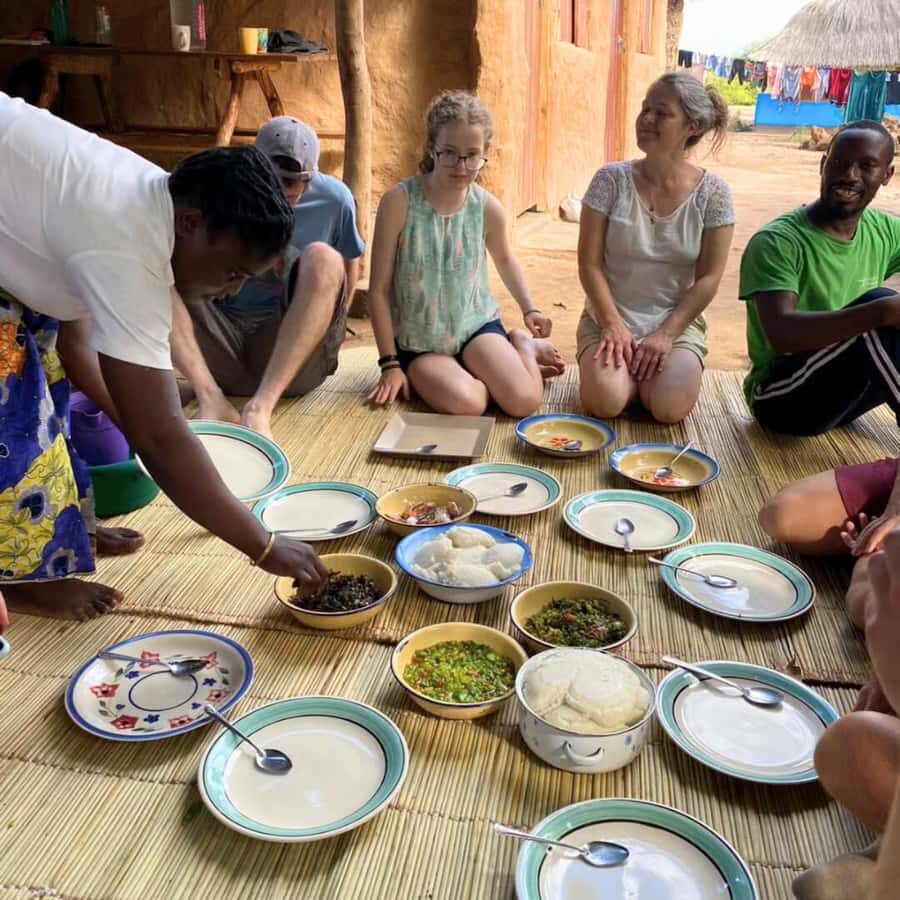
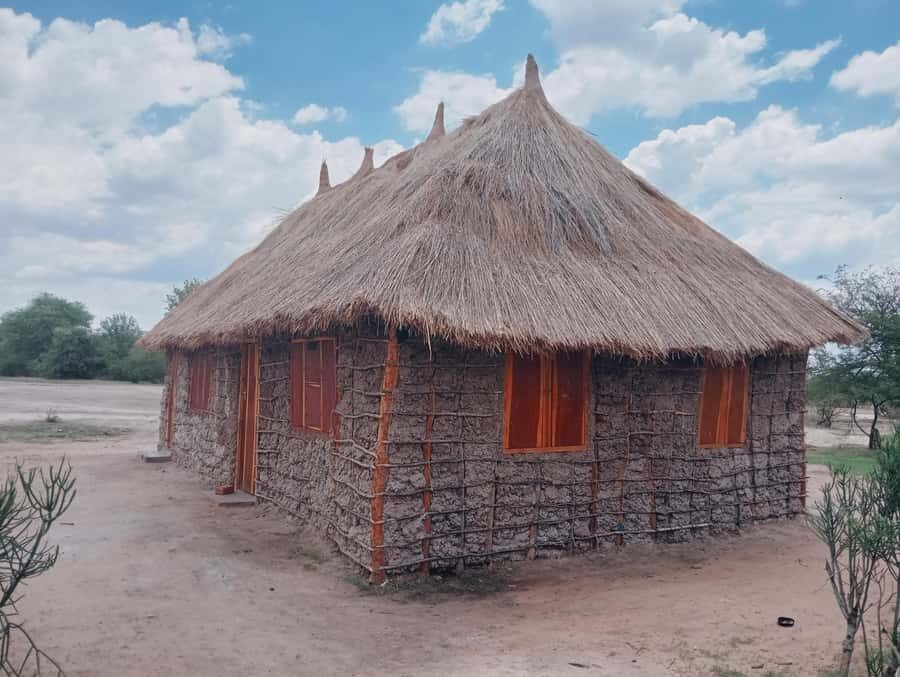
The tour includes learning about traditional buildings and how they’re built. This isn’t just a quick glance at structures from the outside. You’ll get explanation from your guide on the basics of construction and what makes these buildings work in a village setting.
Why this matters for you: it’s easy to see “traditional” as a style. But when someone explains the building logic—materials, practical design, and local know-how—you start to understand it as technology. You begin to see adaptation, not just tradition.
If you like architecture or you’re the type who reads signs and asks questions at museums, you’ll probably enjoy this portion. Even if you don’t, it still helps you interpret the village layout and what daily life looks like.
Local alcohol making: learning the process respectfully
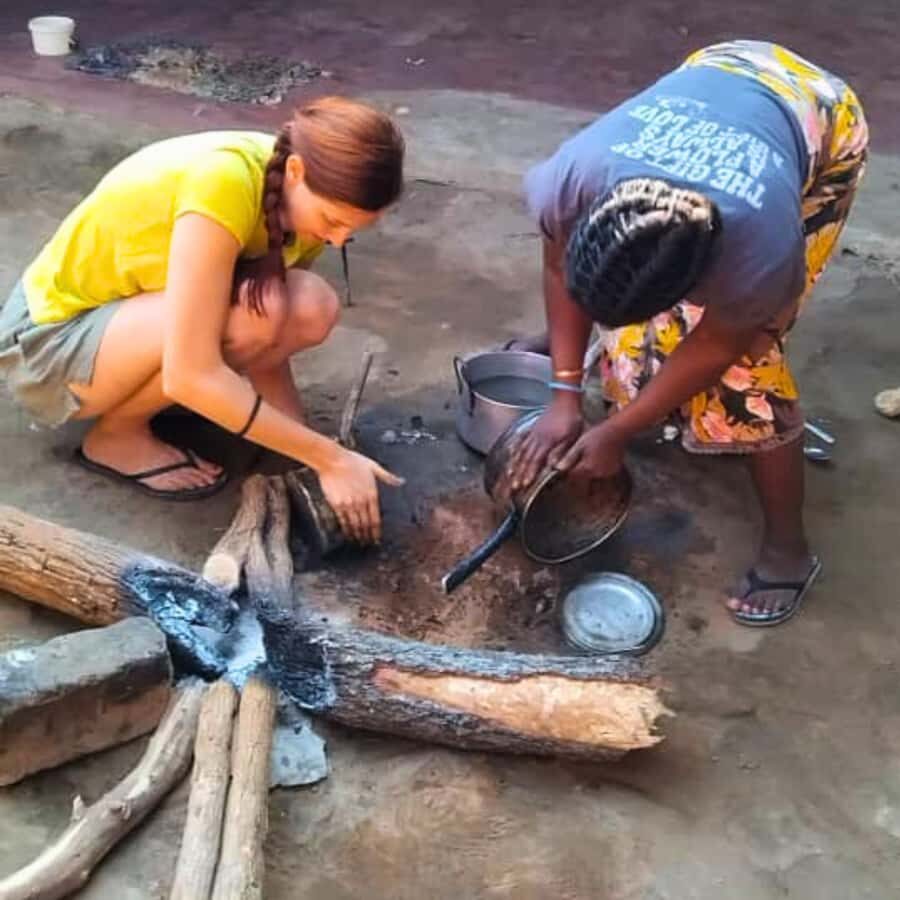
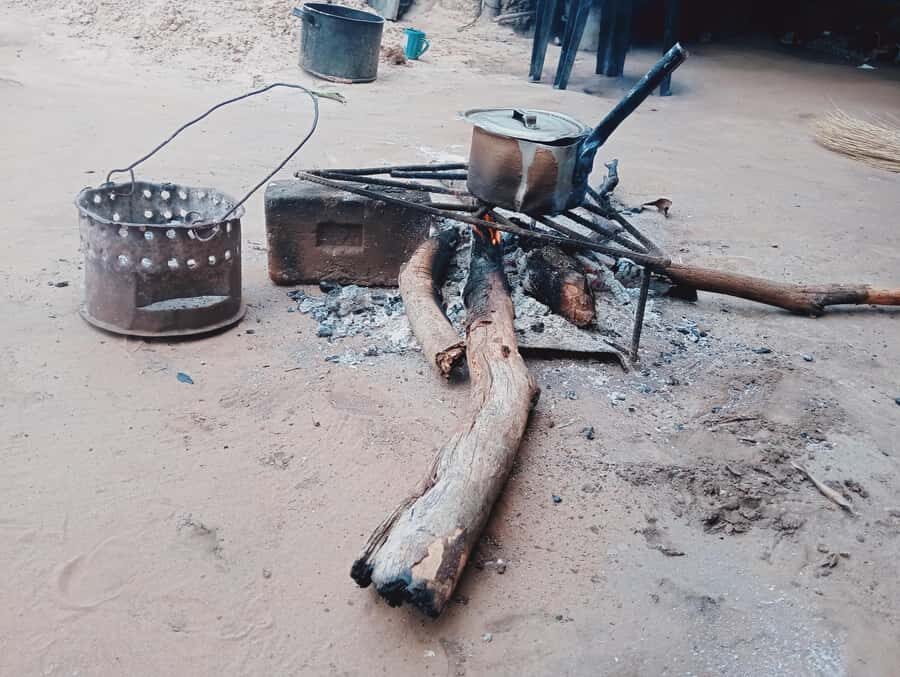
Another key part of the tour is learning how local alcohol is made. In some destinations, alcohol-related craft can feel vague or overly focused on consumption. Here, the tour is framed as education: you’ll learn the process as part of village life.
You don’t need to be a drinker to find this valuable. The appeal is cultural and practical—how food or drink production works, what steps are involved, and how community knowledge gets passed along.
A small caution: since the tour doesn’t include water, plan for comfort during this kind of stop. You’ll likely be outside, moving, and listening for a while. Heat and dry conditions can sneak up on you.
Coffee and tea: a small pause that makes the conversation better

The tour includes coffee & tea, which is more than a nice extra. It gives you a break in the middle of a busy cultural visit. It also creates an easy moment to talk without rushing.
This is the part you’ll feel most if you’re the kind of person who wants the “how are you” conversations, not just the big moments. One drink can turn into ten minutes of friendly exchange, especially when you’re near locals who are happy to explain and answer questions.
If you’re used to constant moving on tours, treat this as your reset time.
Price and value: why $50 can make sense here
At $50 per person for about 3.5 hours, this isn’t a bargain like a quick city tram stop. But it also isn’t overpriced for what you get. Here’s why the value can work:
- You’re paying for transportation to and from Livingstone, not just a local walk.
- You get a live English-speaking guide with deep ties to the community through Alex Jakanani.
- The tour includes multiple experiences: village walk, school visit, traditional building explanation, Lozi words, and coffee & tea.
- Most importantly, the tour states that all profits support Tusoleke Trust School, and you visit the school during the tour.
If you’re the type of traveler who cares about “where the money goes,” that profit-to-school detail is the real value driver. You’re effectively buying access to a community experience that also feeds directly into education.
The main downside on the practical side is simple: no water is included. That means your actual out-of-pocket cost might be a little higher once you factor in hydration.
What to bring so the 3.5 hours feel easy
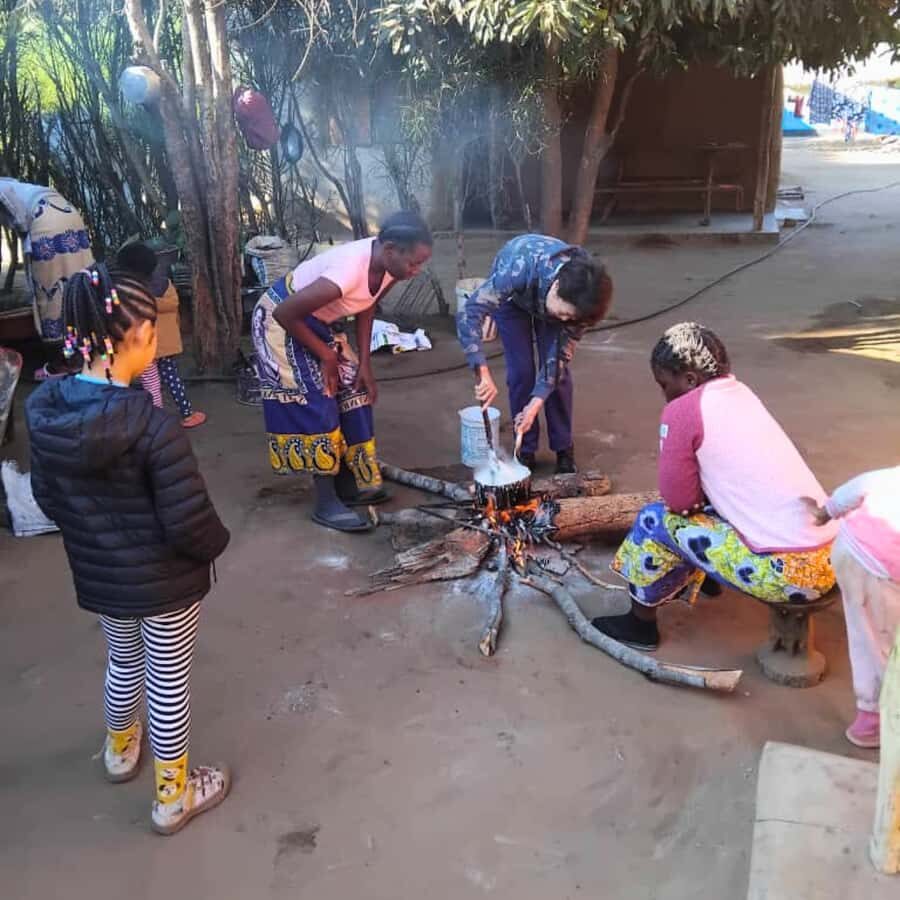
The tour gives a clear packing list, and I’m glad it does. Here’s what matters most:
- Water: bring enough for the whole trip, since none is included
- Sunscreen: village visits can mean full sun and not much shade
- Rain gear: the weather can shift fast, and you’ll still be outside
- Biodegradable insect repellent: insects are often part of warm-season outdoor time
Also, wear something you can move in. You’ll be doing a village walk and spending time outdoors. Comfortable shoes help you stay focused on people instead of pain.
Pickup timing and how to plan your day
Pickup is included, and you’ll want to be ready. Wait in the hostel or hotel lobby about 10 minutes before your scheduled pickup time. That’s small, but it makes everything go smoothly—especially if you’re trying to fit this into a packed Livingstone itinerary.
Because the tour is 3.5 hours, it’s best slotted earlier in your day if you like to have energy for other stops afterward. If you schedule it late, give yourself a buffer. Cultural visits can run a touch unpredictable simply because kids and conversations can shift the pace.
Who this tour suits best
This tour is a strong match if you want:
- a people-first experience instead of only scenery
- meaningful support for education through Tusoleke Trust School
- interaction time with locals, including children
- a guided explanation of village life, from traditional buildings to local alcohol making
- to learn a few Lozi words with real context
You might want to reconsider if you prefer strictly structured, no-surprises itineraries. This is a community setting, so the mood can change quickly. Also, if you dislike outdoor time or you’re not comfortable with the idea that it can get hot and insecty, plan your clothing and hydration carefully.
Should you book the Livingstone Muke Village tour?
I’d book this if you want more than a photo stop. The combination of a short drive, a 3.5-hour guided visit, and a school connection makes it practical and meaningful. The biggest selling points are the human ones: meeting friendly locals and kids, learning from Alex Jakanani, and seeing Tusoleke Trust School where students sing and dance.
One reason not to book is also simple: if you forget hydration and hate sun/exposure, the fact that no water is included can spoil the experience fast. Fix that with a bottle or two and you’re in good shape.
If you like local context—how buildings get made, how communities keep knowledge, and how education is supported—this tour can be one of the most memorable parts of a Livingstone trip for the right reasons.
FAQ
How long is the traditional village tour in Muke Village?
The tour lasts 3.5 hours.
Where does the tour take place?
It takes place at Muke Village near Livingstone, Zimbabwe, in the region of the Zambezi River.
Is transportation included from Livingstone?
Yes. Transportation to and from Livingstone is included, and you’ll be picked up from your hostel or hotel lobby.
Is the tour guided in English?
Yes. The tour has a live guide and the tour language is English.
Does the tour include water?
No. No water is included, so you should bring enough water for the whole trip.
What does the tour include besides the village walk?
It includes a village walk, learning how local alcohol is made, learning Lozi words, visiting Tusoleke Trust School, and coffee & tea.
Is there free cancellation?
Yes. You can cancel up to 24 hours in advance for a full refund.