REVIEW · BULAWAYO
Matobo Hills Day Trip with Rhino Tracking
Book on GetYourGuide →Operated by Bushmen Travel Company · Bookable on GetYourGuide
Rhinos and rock art in one long day. This Matobo Hills outing from Bulawayo blends on-foot rhino tracking with famous historical sights, including Bushmen paintings and Cecil Rhodes’ final resting place.
I love how practical the rhino segment feels. Your guide focuses on rhino behavior cues and the small body-language things that keep you calm and safe, even when the rhinos get very close.
The one drawback to plan for is walking. It’s not a good fit if you have back problems, and you’ll want comfortable shoes for time outdoors.
In This Review
- Key things to know before you go
- Matobo Hills from Bulawayo: how this 8-hour day actually works
- On-foot rhino tracking: why the instructions matter
- Bushmen paintings and cave art: the part that turns a photo into a story
- Balancing rocks, sacred sites, and Rhodes at World’s View
- Plants, birds, and the wildlife you notice when the pace slows
- Lunch in the Matobo Hills: good food, but watch the timing
- Price and value: is $140 per person fair?
- What to bring (and what to avoid) for comfort outdoors
- Should you book the Matobo Hills Day Trip with Rhino Tracking?
- FAQ
- How long is the Matobo Hills day trip with rhino tracking?
- What is included in the price?
- Do I need to pay extra entry fees?
- What should I bring with me?
- Is it suitable for wheelchair users or people with back problems?
- What language is the tour guide, and is pickup included?
Key things to know before you go
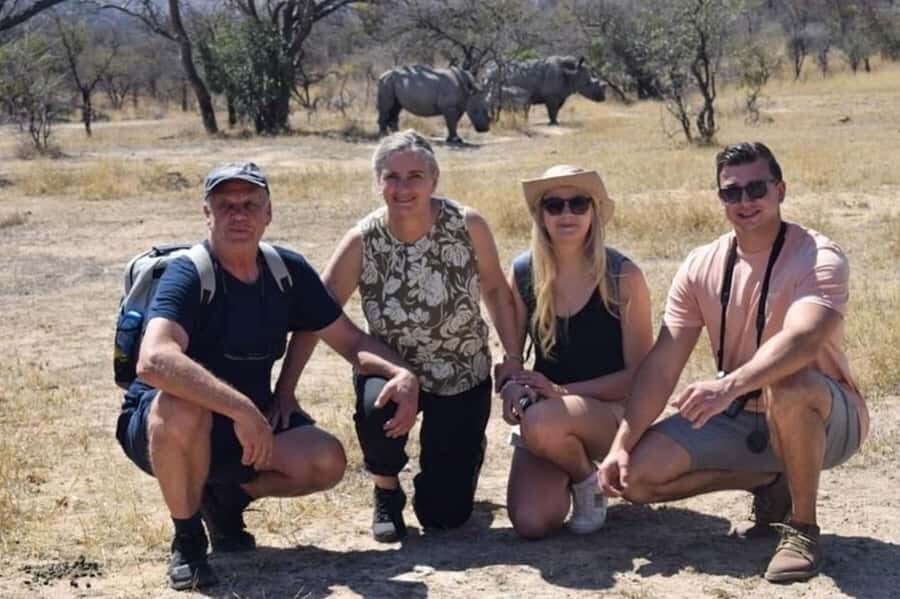
- On-foot rhino tracking with clear instructions for how to move, pause, and react
- Bushmen rock paintings plus a short trek to view the art area
- Balancing rocks and sacred sites that connect the landscape to local meaning
- Cecil Rhodes’ grave at World’s View, explained with real context
- Lunch at a lodge/restaurant in the Matobo Hills after a full day of guiding and sightings
- An English-speaking guide (many groups are led by Blessing, an ex–rhino ranger)
Matobo Hills from Bulawayo: how this 8-hour day actually works
This is a full-day field trip from Bulawayo that runs about 8 hours, built around a mix of driving, guided stops, and short walks. You’ll get picked up in a white open safari truck, then head into Matobo National Park with the day’s rhythm set by your guide.
What I like about the timing is that it doesn’t treat wildlife like a quick photo stop. You spend real time searching for rhinos, then you shift gears to rock art, sacred sites, and viewpoints—so the whole day feels connected, not chopped into separate “checklist tasks.”
You also get bottled water and drinks included, which matters out here when you’re walking and standing in the sun for long stretches. Just be ready for outdoor weather changes and bring gear that doesn’t hate you back.
On-foot rhino tracking: why the instructions matter
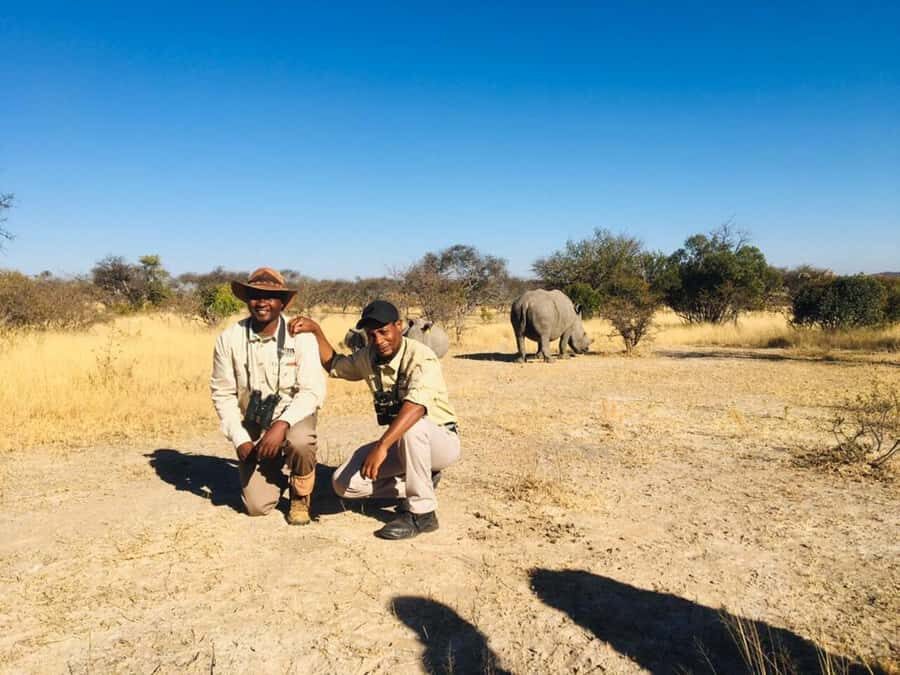
Rhino tracking here isn’t just “find them and hope.” The best moments come when your guide reads the situation and explains what to do before anything gets close.
In multiple outings led by Blessing, the approach is consistent: he tries more than once to get a sighting where you can actually see the rhinos clearly. That patience pays off, because people have reported very close viewing—sometimes only a handful of meters away—when the rhinos are relaxed and the group is positioned correctly.
The key is how you’re taught to behave. You’ll get guidance on what rhinos do when they’re calm versus uneasy, plus what to do in the moment if they approach. One example from the experience: a two-year-old male white rhino came very close while chomping grass, and the group was coached to simply stay still and follow the guide’s cues. The rhino then moved on after showing signs of not being happy.
This is exactly what you want from a responsible wildlife day: not bravado, not random wandering—clear body-language rules and a guide who understands animal behavior. If you have any hesitation about standing still outdoors or reacting calmly around large animals, this tour is still doable, but you’ll need to follow instructions closely.
Bushmen paintings and cave art: the part that turns a photo into a story
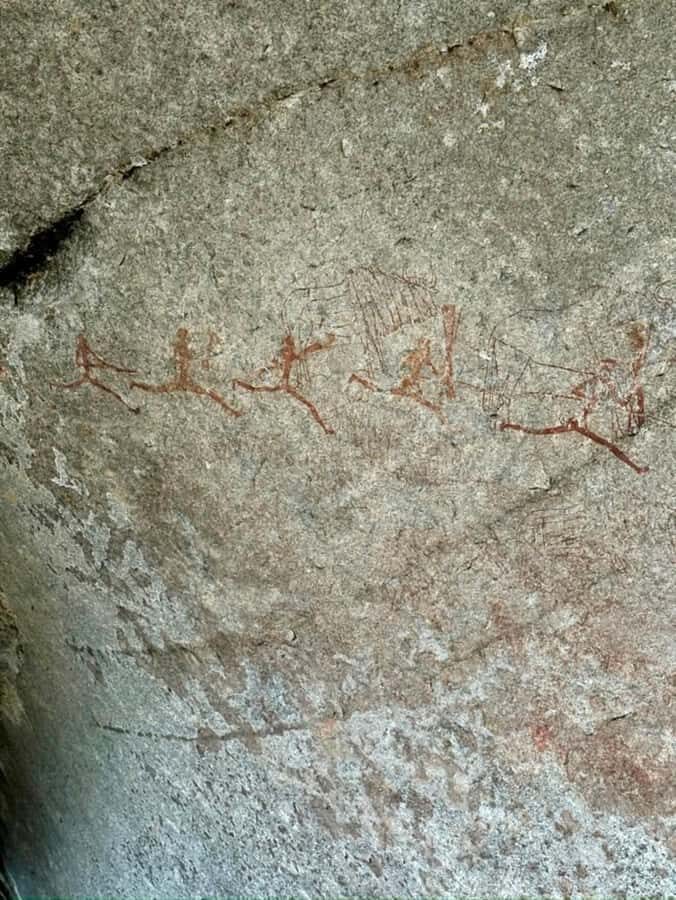
After the rhino part, the day turns prehistoric. You’ll visit Bushmen paintings with a guide who can connect what you’re seeing to the people who made it.
Expect a mix of viewing points and walking. The trek is described as fairly short—around 500 meters in one outing—so it’s not a long hike day. Still, you’re on uneven ground in an outdoor setting, so closed-toe shoes really are the right call.
What makes this stop valuable is the way it fits into the wider Matobo story. The paintings aren’t treated like isolated tourist murals. They’re presented as part of the deep human timeline of the area, and they’re also linked to later efforts tied to rhino reintroduction—so your brain keeps connecting art, survival, and the land itself.
If you care about meanings (not just images), this section will reward you. And if you’re a photographer, you’ll probably find the best shots come when you pause and let the guide’s explanation help you see what you might otherwise miss.
Balancing rocks, sacred sites, and Rhodes at World’s View
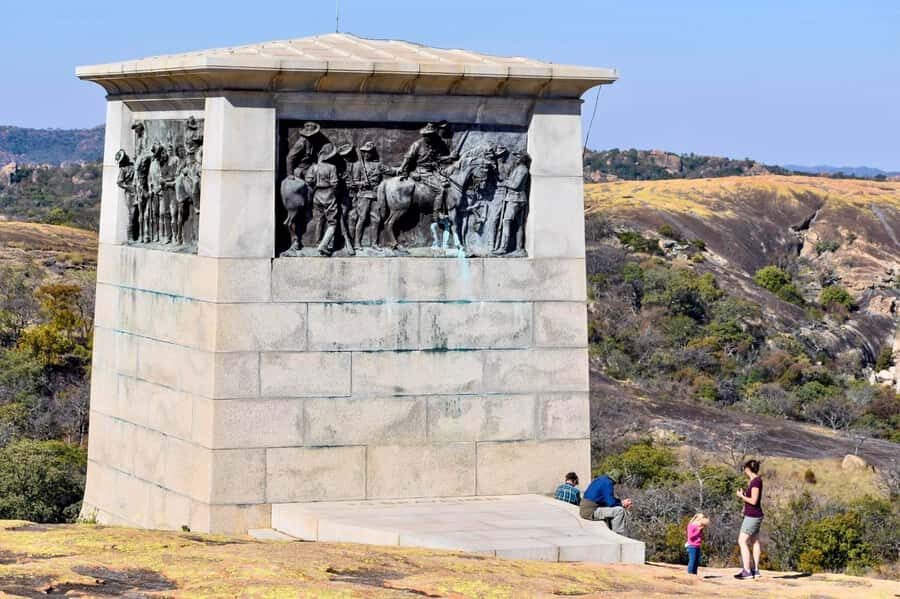
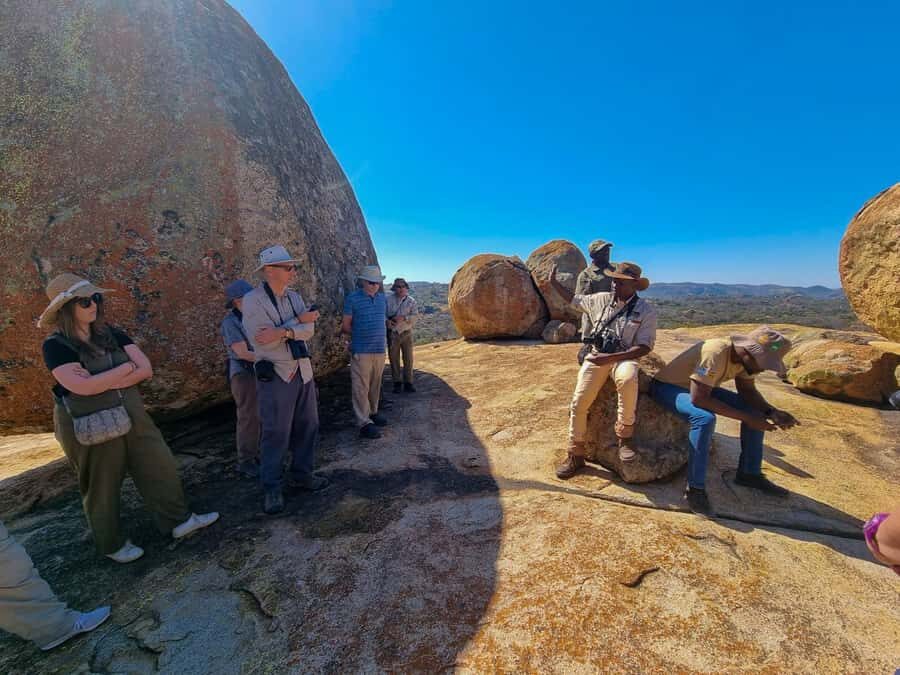
Matobo Hills is famous for rock formations, and the tour hits several of them in a way that makes sense. You’ll see balancing rocks and other sacred areas, guided with context so it doesn’t feel like random sightseeing.
Then there’s World’s View, where you’ll visit the final resting place of Cecil Rhodes. The tour doesn’t just point at a grave marker. You’ll also get the political and historical background tied to early European settlement in the region, including interactions with Ndebele kings and conflicts such as the Matabele wars—stories that help explain why this place carries such heavy history.
One of the reasons this stop feels memorable is scale. From viewpoints like this, the hills give you a sense of how people could both defend land and trade across it. Your guide’s job is to make that sense click, and in these outings the explanations are described as factual and detailed, delivered in a calm way that makes the day feel grounded rather than chaotic.
For some people, Rhodes is the headline. For others, it’s the sacred sites and rock formations. Either way, this segment helps you understand why Matobo is more than scenery.
Plants, birds, and the wildlife you notice when the pace slows
Rhino tracking is the headline, but the tour is designed for more than one species and more than one moment. Your guide looks for animals and birds while you’re moving between sites, and you’ll get opportunities to scan for wildlife during the day’s driving and walking.
The guide also points out plants and explains why certain species are important. In one account, the group learned about plants with healing properties—exactly the kind of detail that turns a place from “a park” into “a living system humans have depended on for a long time.”
A practical note: you’ll want to stay alert but not rush. The best wildlife sightings often happen when you’re quiet and your guide can position the group safely.
And if you’re the type who likes nature without pressure, you’ll probably enjoy this pace. You’re not asked to sprint between stops, and there’s time for short breaks, snacks, and the kind of conversation that makes a day like this feel personal.
Lunch in the Matobo Hills: good food, but watch the timing
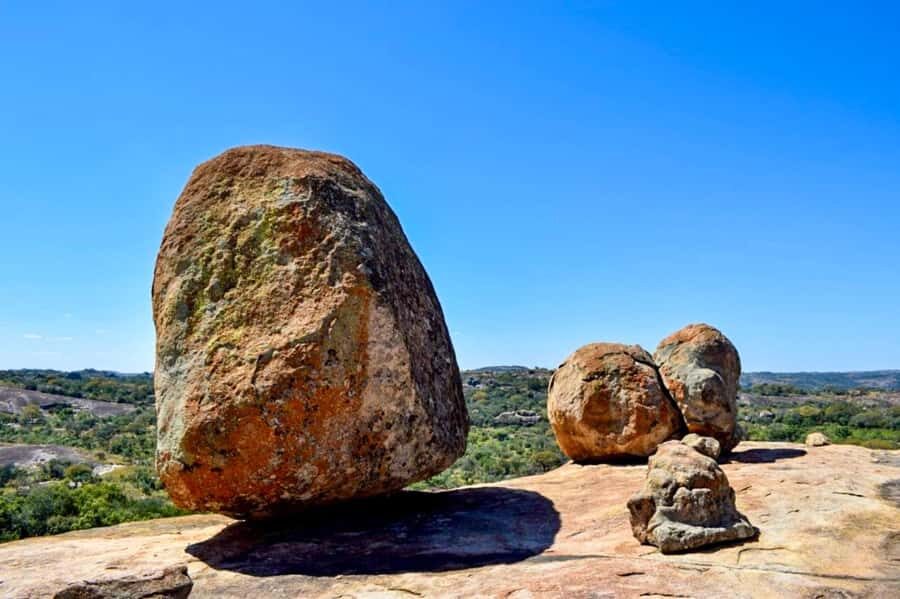
Lunch is included, and it usually happens at a local restaurant or lodge inside/near the Matobo Hills area. More than one experience notes that the food is excellent, with a pleasant setting and scenic views.
In at least one outing, lunch ran a bit later than expected, though the final meal was still worth it. That’s a normal rhythm for days built around animal sightings: if rhinos take longer, everything downstream can shift.
So here’s my practical advice: come hungry, hydrate early, and don’t plan to feel “on schedule.” Instead, treat lunch as part of the day’s reward. If the rhinos are active, the day will feel alive; if not, you still get the history and rock art to carry you forward.
Price and value: is $140 per person fair?
At $140 per person, this tour sits in the “serious day trip” category. The question isn’t just cost—it’s what’s bundled into that day.
Based on what’s included, you’re paying for:
- a guided tour through the Matobo Hills area
- opportunities to track rhinos on foot
- visits to Bushmen paintings, balancing rocks, and sacred sites
- lunch at a local spot
- all entry fees and taxes
- pickup and drop-off from Bulawayo
- bottled water and drinks
When a tour includes entry fees, transport, guidance, and lunch in one package, the price starts to make more sense—especially on a full-day schedule where independent options would require juggling drivers, park access, and timing. Add to that the effort involved in tracking rhinos safely, and you’re no longer just buying a view. You’re buying time with the right expertise.
Is it worth it? If your top priority is rhino tracking plus Matobo history in one shot, it’s priced like a guided wildlife experience, not like a casual drive-and-snack outing. If you only want a quick look at viewpoints, you might find cheaper alternatives, but you’d also miss the guided wildlife focus.
What to bring (and what to avoid) for comfort outdoors
This tour is outdoors for most of the day, so pack for heat, sun, insects, and uneven ground.
Bring:
- a sun hat
- sunscreen
- insect repellent
- closed-toe shoes (important for walking sections)
Wear:
- comfortable outdoor clothing
- layers if weather shifts
Avoid bright colors. That rule shows up in the activity details, and it also fits the wildlife setting: you’ll likely blend in better and keep the atmosphere calmer for both people and animals.
Also, don’t ignore basic comfort. If you’ve got any stiffness issues, this day can test you because you’re on your feet and moving around during the guided portions and short treks.
Should you book the Matobo Hills Day Trip with Rhino Tracking?
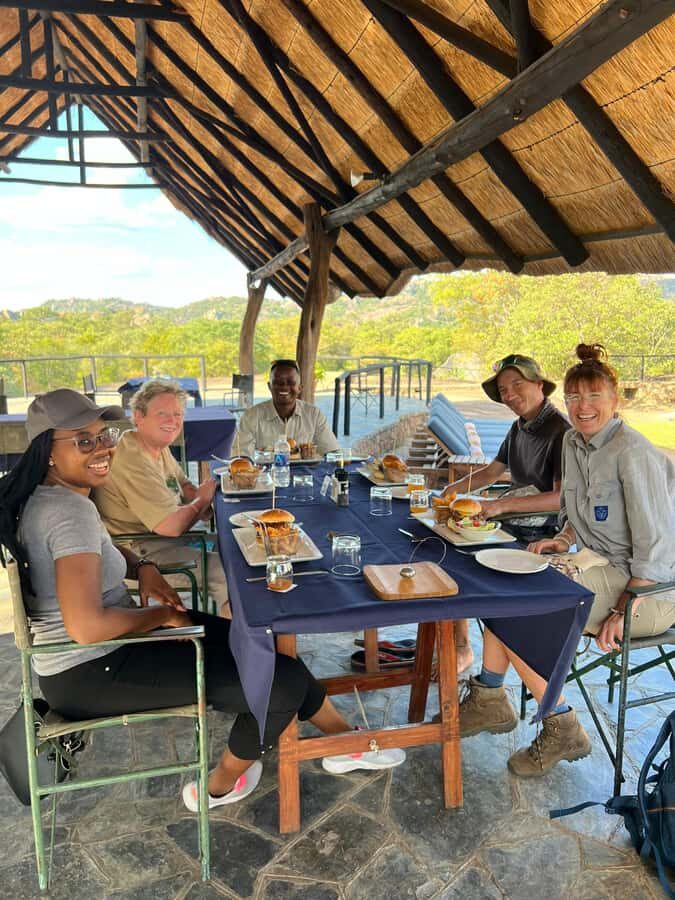
Book it if you want a rare mix: up-close rhino tracking plus Matobo Hills history in one long, well-guided day. This is the kind of experience that makes you understand why Matobo is protected and why the area matters beyond wildlife headlines—rock art, sacred sites, and Rhodes history all connect into one story.
Skip it (or choose something else) if you need wheelchair access or you have back problems. Walking and standing are part of the deal here.
If you do book, go in with a simple mindset: listen closely, move when the guide tells you to move, and let the day unfold. When you do that, you’ll get far more than animal sightings—you’ll come away with Matobo’s layers: people, plants, and wildlife all tied to the same stone hills.
FAQ
How long is the Matobo Hills day trip with rhino tracking?
It runs for about 8 hours.
What is included in the price?
The tour includes a guided tour of Matobo Hills, the opportunity to track rhinos on foot, a visit to Bushmen paintings, viewing balancing rocks and sacred sites, lunch at a local spot, all entry fees and taxes, pickup and drop-off, and bottled water and drinks.
Do I need to pay extra entry fees?
No. All entry fees and taxes are included.
What should I bring with me?
You should bring a sun hat, sunscreen, insect repellent, and closed-toe shoes.
Is it suitable for wheelchair users or people with back problems?
No. It’s not suitable for wheelchair users and people with back problems.
What language is the tour guide, and is pickup included?
The live tour guide is English, and pickup and drop-off from Bulawayo are included.