REVIEW · VICTORIA FALLS
3 Day Chobe National Park Camping Safari
Book on Viator →Operated by Africa Beast Safaris · Bookable on Viator
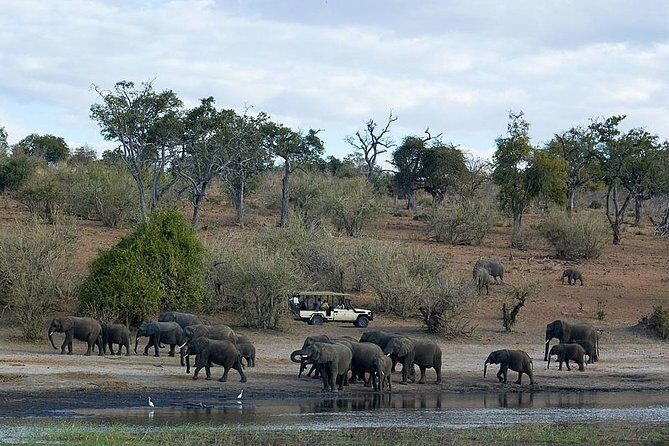
Chobe feels like an all-day wildlife movie. This 3-day Chobe National Park camping safari from Victoria Falls puts you in the bush of Botswana, right next to one of Africa’s most famous waterfall regions. You’ll spend multiple days watching big herds move through the park, with 85,000+ elephants as the headline act.
I really like the small-group pace here, because it makes game viewing feel calmer and more personal. You also get an overnight in a safari lodge setting with a dome tent and full board, which is a nice balance between adventure and not living out of a backpack. One heads-up: this is camping, but it isn’t remote backcountry bush camping, so think safari-lodge comfort more than bare wilderness.
In This Review
- Key Things That Make This Chobe Camping Safari Worth It
- Where Chobe Sits in the Big Map: Victoria Falls to Botswana Wildlife
- Small-Group Safari Energy (And Why It Helps on Game Drives)
- How the Camping Works: Dome Tent Reality vs True “Backcountry” Camping
- Day 1: Your First Chobe National Park Day and the Elephant Factor
- Day 2: More Close-Range Wildlife in Chobe, Plus Boat Cruise Time
- Day 3: Crocodile Farm Stop While You Head Out of Botswana
- Value for $1,515: What You’re Actually Buying
- What to Pack and How to Get Better Sightings
- Weather, Timing, and the One Thing That Can Change Your Day
- Should You Book This Chobe National Park Camping Safari?
- FAQ
- How long is the 3 Day Chobe National Park Camping Safari?
- Where does the safari start?
- What’s included in the trip?
- What animals might I see in Chobe?
- How large is the group?
- Is there anything besides Chobe National Park on the itinerary?
- What happens if I need to cancel?
Key Things That Make This Chobe Camping Safari Worth It
- Chobe’s elephant scale: you’re in a park famous for huge herds, including the chance to see elephants repeatedly across days.
- Multiple chances for game drives: you’re not doing one quick pass and calling it a day.
- Boat cruise time on the water: great for different sightings than you get from the road.
- A max group size of 15: easier guiding, less crowd noise, more attention when animals show up.
- Dome-tent overnight with full board: real outdoor sleeping without having to manage meals.
- A crocodile farm stop on the way out of Botswana: a quick, easy cultural/add-on moment before you head on.
Where Chobe Sits in the Big Map: Victoria Falls to Botswana Wildlife
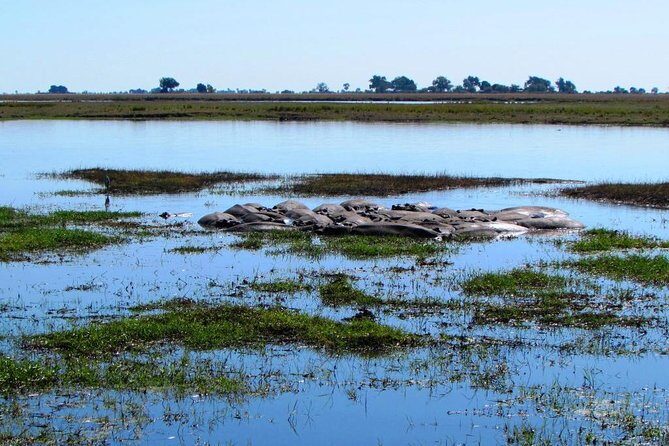
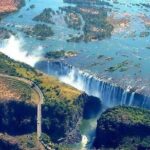
This safari starts in Victoria Falls, Zimbabwe, and then moves you into Botswana’s Chobe National Park, a border region where you get the best of both worlds: world-class wildlife country and the Victoria Falls area. If you like your safaris to feel like you’re in the middle of the action, Chobe’s location helps. You’re not stuck far from major travel hubs, yet you still get proper game-drive time in a park known for frequent animal sightings.
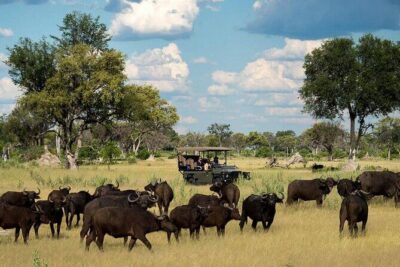
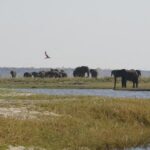
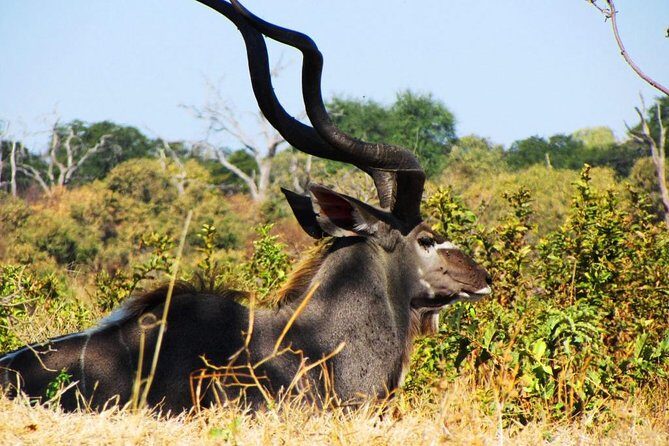
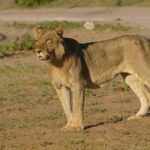
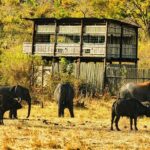
Chobe is especially strong for animals you want to see again and again. Expect elephants in large numbers, plus other common stars like buffalos, giraffes, kudus, lions, hyenas, warthog, and zebras. The park’s reputation for wildlife viewing in southern Africa isn’t just marketing—your schedule is built around multiple chances to spot animals, not just one.
A few more Victoria Falls tours and experiences worth a look
Small-Group Safari Energy (And Why It Helps on Game Drives)
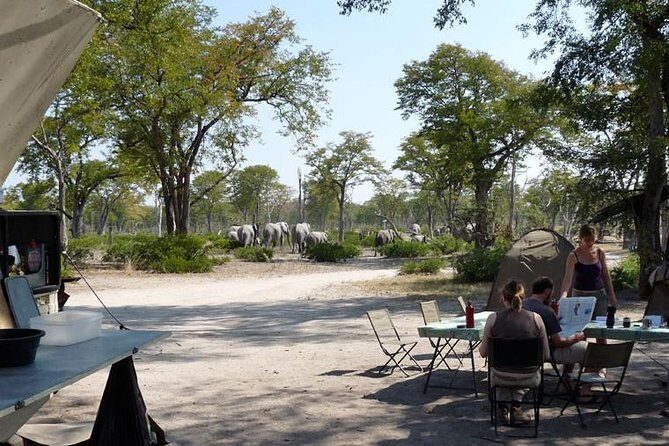
A maximum group size of 15 travelers matters more than you might think. When you’re in a crowded vehicle, one person’s camera can block another person’s view, and guides spend energy managing logistics instead of hunting down sightings. In a smaller group, you tend to get smoother coordination and more guide attention when the action is close.
This is also where communication quality shows up. In feedback about the operator, the organizer Simon comes up as someone who’s consistently on time and responsive, which helps a trip feel organized when you’re moving across borders and keeping to safari timing. If you like to ask questions (and most of us do when we’re seeing wildlife), having a guide who answers quickly makes the whole experience easier to enjoy.
You should also know this trip asks for moderate physical fitness. That usually means you’ll be moving around at dawn light, getting in and out of vehicles, and handling uneven ground around camp areas. Nothing extreme is stated, but plan for real outdoors time, not a gentle city walk.
How the Camping Works: Dome Tent Reality vs True “Backcountry” Camping
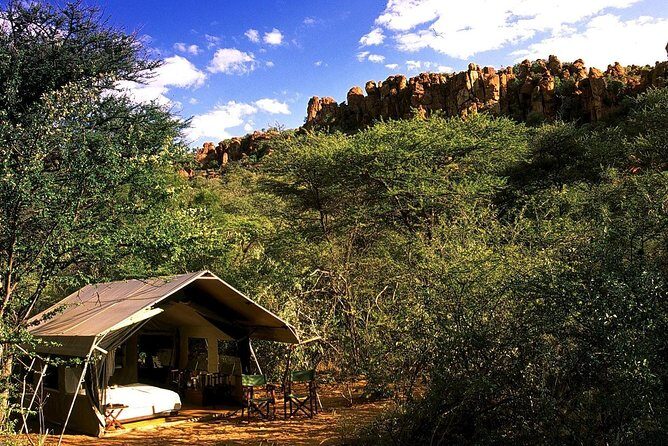
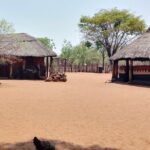
You’ll sleep overnight in a safari lodge dome tent with full board. Translation: you’ll get the feel of sleeping in a tented safari environment, but you’re not going full survival-camping mode. This matters because a lot of people imagine “camping” as total roughing-it—and then discover they’re actually in a camp setup with meals handled for them.
From a value-and-comfort point of view, full board is a big deal. It means less time spent coordinating food and timing and more time spent on the real reason you came: game drives, scanning for spoor, and keeping your camera ready.
That said, do treat this as camping. Bring gear you’d use outdoors: layers for early mornings, something for dust and sun protection, and practical shoes for uneven ground. If you’re expecting lodge comfort only, you may feel the difference. If you’re excited about sleeping under canvas and hearing nighttime sounds, this should feel just right.
Day 1: Your First Chobe National Park Day and the Elephant Factor
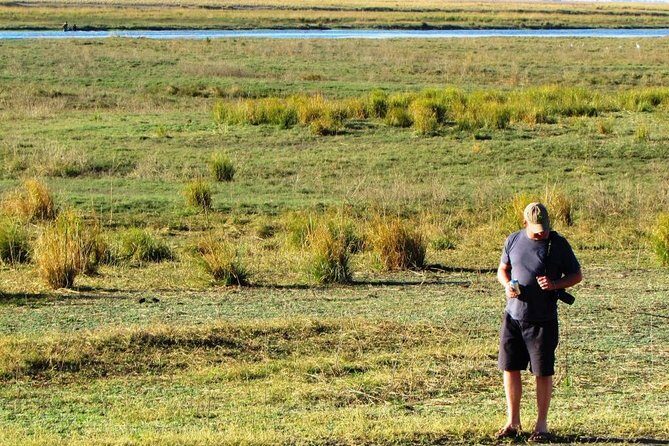
Day 1 is all about getting into Chobe National Park and starting strong. You’ll roll into a park described as full of herds—elephants and buffalos are specifically highlighted, along with giraffes, kudus, lions, hyenas, warthog, and zebras. That list is useful because it tells you what to set your expectations around. You’re not relying on one-or-two rare sightings; the trip is structured for “pattern spotting”—seeing the same animals types across different parts of the day.
You’ll also get the advantage of admission ticket included for the park on this day. It’s one less thing to sort out while you’re focused on where to look next.
The main thing I’d plan for on Day 1 is patience. Chobe can throw animals at you quickly, but it also requires scanning. Your best results will come from staying alert and letting the guide do the driving math—where animals feed, where they cross, and what the herd behavior suggests.
Day 2: More Close-Range Wildlife in Chobe, Plus Boat Cruise Time
Day 2 continues in Chobe National Park, with another full day of wildlife viewing. This is where you benefit from the two-day rhythm. With a longer time window, you can catch animals at different times of day and in different conditions. If Day 1 is mostly about big sightings, Day 2 is often where you get repeats and surprises—another chance at predators, different angles on herds, and animal behavior you couldn’t see as quickly on a single day.
A practical tip is right in the spirit of the trip: carry your camera. The park’s close-range viewing is part of the appeal, and it’s also part of why you’ll want your lens ready. Wildlife photography goes easier when you aren’t scrambling for your bag every time something steps into view.
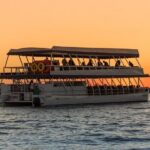
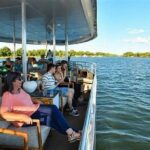
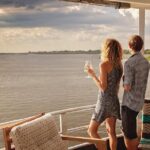
You’ll also have a boat cruise as a featured part of the experience. That’s not a side quest. A boat outing changes what you can see—animals drinking, moving along water edges, and the chance for different perspectives than the road gives you. One piece of feedback strongly points out the Zambezi sunset cruise as a must-do, which tells me the boat element is often treated as a high point of the overall trip. If you like golden light and watching activity slow down near the waterline, don’t skip it.
Day 2 also includes admission ticket in the park. So you can focus on timing and sightings rather than paperwork.
A few more Victoria Falls tours and experiences worth a look
Day 3: Crocodile Farm Stop While You Head Out of Botswana
On Day 3, you’ll start wrapping up the Botswana side of the safari. The itinerary includes a stop at the Chobe Crocodile Farm as you go out of Botswana. This isn’t a replacement for wildlife viewing in the national park, but it is a useful add-on: it gives you a change of pace and adds an animal-focused stop before your journey continues.
This day reads like a handoff day—less “chase every sighting” and more “finish well and see something on the way.” If your legs or your patience are running low after two long days of scanning, this kind of stop can feel like a breather.
Value for $1,515: What You’re Actually Buying
At $1,515 per person for roughly three days, this isn’t a budget safari. So the real question is what makes the price make sense.
Here’s the value logic as I see it:
- You’re paying for time in Chobe, not just a drive-by tour. Two days inside a major wildlife park gives you more chances at sightings.
- You’re paying for included access (admission tickets on Day 1 and Day 2), plus the structured flow between locations.
- You’re paying for the camp setup: dome tent overnight and full board. That reduces friction and helps keep the experience smooth.
- You’re paying for guiding and attention. A group size capped at 15 travelers is a cost driver, but it tends to improve the experience when animals appear.
And in the feedback you can sense that the operation keeps moving on schedule. Timely transportation and smooth handoffs across borders were called out, which is a big deal on trips like this. When things run late, safari time gets eaten alive. When things run on time, you get more actual wildlife hours for your money.
What to Pack and How to Get Better Sightings
You’ll get the best results if you come ready for early starts and changing light. The trip is camping-based, so think outdoors-first:
- Camera-ready gear: the experience specifically encourages having your camera for close-range viewing.
- Sun and dust protection: you’ll be out during game-drive hours, and your skin will notice.
- Layers: early mornings can feel cool, and afternoons can be hot.
- Comfortable shoes: you’ll be getting in and out and walking around camp areas.
- A practical bag: if you’re constantly pulling your camera from a deep compartment, you’ll lose moments when animals show up.
If you’re the kind of person who likes to ask questions, bring that energy. Communication and on-time coordination were highlighted in feedback tied to Simon, and that kind of responsiveness can help you understand what you’re looking at and why the guide is positioning the vehicle.
Weather, Timing, and the One Thing That Can Change Your Day
This experience requires good weather. If conditions are poor, you’ll be offered a different date or a full refund. That matters because safaris and boat time are weather-sensitive. The best way to protect your expectations is to plan with flexibility and accept that nature sets the schedule sometimes.
Also, you should be ready for the trip rhythm to follow safari realities—animals don’t care about human timetables. When you’re paying for wildlife viewing, you’re paying for that controlled uncertainty. When the day runs well, it feels magical. When the day doesn’t, it’s usually because the environment won’t cooperate.
Should You Book This Chobe National Park Camping Safari?
Book it if you want:
- Two days in Chobe with repeated opportunities to see elephants and other wildlife like lions, hyenas, giraffes, and zebras.
- A more manageable group size (max 15) so you can actually enjoy the moment when something appears close.
- Camping with full board in a dome tent—a real safari sleep without total roughing-it.
- A trip that includes game drives and a boat cruise, with strong positive attention given to boat experiences like the Zambezi sunset cruise.
Skip it or reconsider if:
- You’re expecting pure wilderness bush camping. This is camping, but not the “remote nobody is around” style.
- You don’t want any physical effort beyond light sightseeing. The trip calls for moderate physical fitness.
If you’re looking for a practical, wildlife-first safari from the Victoria Falls region, this is a strong way to spend three days—especially if you’re okay with letting the game-drive schedule lead your day.
FAQ
How long is the 3 Day Chobe National Park Camping Safari?
It runs for 3 days (approx.).
Where does the safari start?
The tour location is Victoria Falls, Zimbabwe, with pickup offered.
What’s included in the trip?
You get game drives, a boat cruise, an overnight in a safari lodge dome tent with full board, and an included admission ticket for Chobe National Park days. A mobile ticket is also mentioned as part of the experience.
What animals might I see in Chobe?
The experience highlights the chance to see buffalos, giraffes, lions, hyenas, zebras, and elephants (with the park having over 85,000 elephants), plus animals like kudus, warthog, and more.
How large is the group?
The maximum group size is 15 travelers.
Is there anything besides Chobe National Park on the itinerary?
Yes. On Day 3, you stop at the Chobe Crocodile Farm as you go out of Botswana.
What happens if I need to cancel?
Free cancellation is available up to 24 hours in advance for a full refund. If you cancel less than 24 hours before the start time, the amount paid won’t be refunded.