REVIEW · VICTORIA FALLS
3 Day Chobe National Park Camping Tour
Book on Viator →Operated by Zambezi Expedition · Bookable on Viator
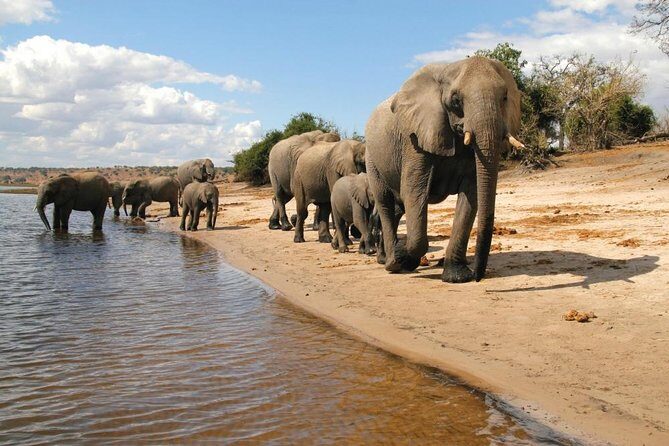
You’ll watch Chobe life happen at close range. This 3-day trip pairs river cruising with early game drives, so you’re not stuck doing only one style of safari. I like that it’s built around the riverfront action—elephants, hippos, crocodiles, and lots of birdlife show up where you can actually see them—then shifts to land for the chance at the bigger predators.
You’ll also be taken care of with guided transfers and a small group size (up to 20), plus camp-based comfort with meals during the safari days. One thing to think about: the accommodation can be basic camping, and there may be options like dorm tents versus rooms—so confirm what you’re getting before you arrive.
In This Review
- Key things to know before you go
- Chobe from Victoria Falls: the day-1 transfer that sets the tone
- River cruise and game drives: two angles on the same wildlife
- Day 1: transfer to Chobe, plus the calm before the action
- Day 2 timing: dawn wildlife, bush brunch, then another full game drive
- Day 2’s real strength: it’s not just elephants
- Day 3: back out to Victoria Falls or Kasane with the last drive at 10:00
- Camping and meals: what included feels like on the ground
- Price and value: why $600 can work well here
- Weather, guides, and small-group reality
- Who should book this Chobe camping safari
- Should you book this 3 Day Chobe National Park Camping Tour?
- FAQ
- What’s the duration of the Chobe National Park camping tour?
- Where does the tour start and end?
- How are transfers handled on day 1?
- What time is the early wake-up and breakfast on day 2?
- What wildlife viewing does the tour focus on?
- Does the tour include meals?
- Is there a limit on group size?
- What happens if the tour is canceled due to weather?
Key things to know before you go
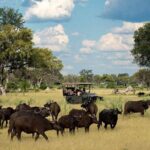
- River-focused wildlife viewing: elephants and Cape buffalo come to drink, with hippos and crocodiles in the same scenery.
- Early starts for predators: the morning game drive timing is aimed at seeing big cats and wild dogs while they’re active.
- Two styles of safari: game drives give you hunting-and-tracking energy; the river cruise shifts you to watching behavior at the water.
- Small group feel: the tour caps at 20 travelers, which helps with a calmer schedule.
- Camping stays inside Chobe: you’re based in the park for 2 nights, not just passing through for photos.
- Accommodation details matter: if you’re picky about tent type, ask what dorm camping means for your booking.
Chobe from Victoria Falls: the day-1 transfer that sets the tone
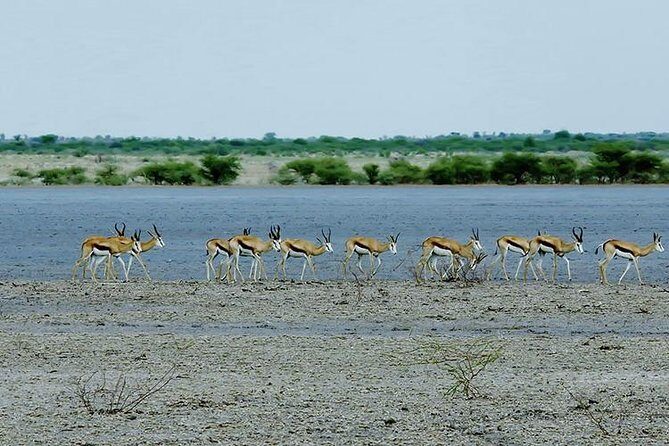
Most Chobe safaris from this region feel like two trips at once: logistics first, then wildlife. Here, day one is all about getting you from Victoria Falls (and also Kasane or Livingstone, depending on your pickup) into Chobe National Park with minimal hassle.
You’re picked up and transferred at 7:30am, and the guide meets you at Kazungula to help you through immigration formalities before moving on. That matters more than it sounds. Border days are slow when you’re trying to figure things out alone. With a guide escorting you, you lose less time and you start the safari portion with your head clear and your day still intact.
Day one is also when your expectations should adjust. This isn’t a “first-hour safari” style of trip. It’s positioned so the real wildlife highlights—especially the river cruise and the game drive rhythm—happen as you settle into the park for your two nights / three days.
A few more Victoria Falls tours and experiences worth a look
River cruise and game drives: two angles on the same wildlife
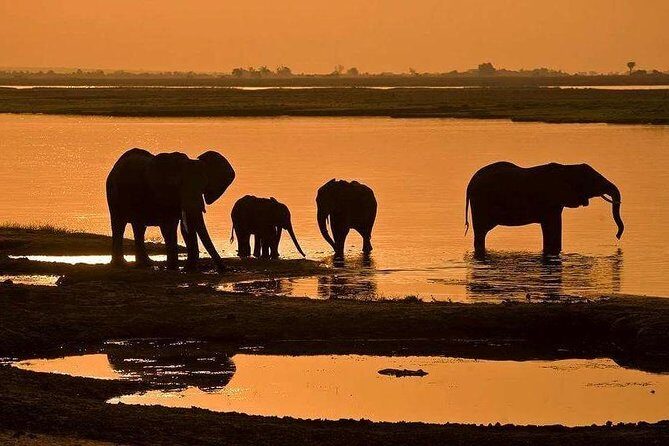
Chobe’s magic is the river. In this tour, you’ll get wildlife in two different modes.
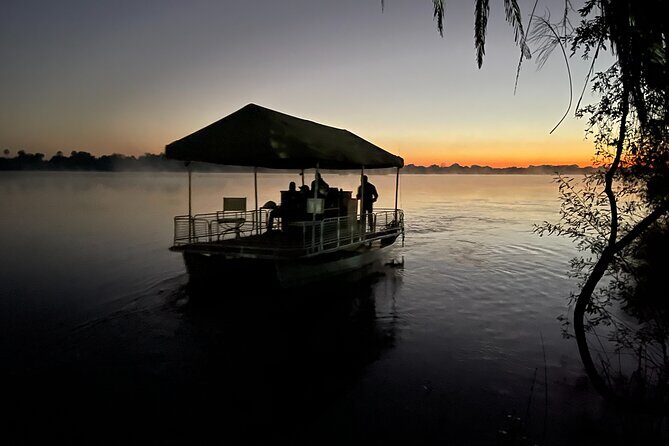
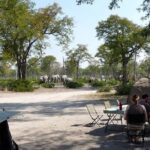
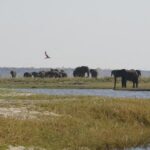
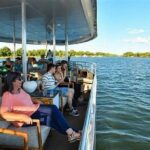
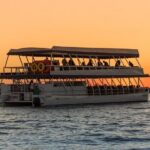
On the water, you’re watching a living highway of animals and behavior. The river cruise focus is where elephants, hippos, and crocodiles overlap with thick birdlife. If you’ve only done savanna safaris on land, this is a different kind of show. The river concentrates activity, so your sightings can feel more “continuous” rather than spaced out.
On land, the schedule leans into predator chances. Day two starts with an early morning game drive—the trip explicitly targets that time of day because big cats and wild dogs tend to be active then. Later, you get another game drive in the afternoon. That second land session is useful because animals move differently as the day shifts, and you get another attempt at the highlights.
The big picture: you’re not just chasing animals for a checklist. You’re seeing how the same ecosystem behaves across day and water.
Day 1: transfer to Chobe, plus the calm before the action
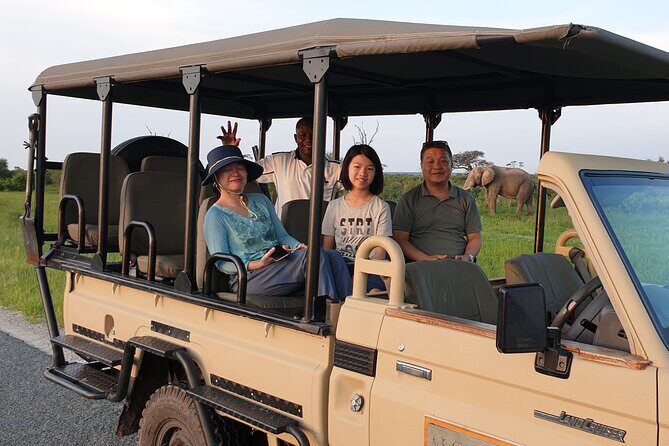
On day one, the main story is travel into Chobe and your handoff to the in-park experience. You’ll be transferred from Victoria Falls and Livingstone to Chobe National Park at 7:30am, with the guide meeting you at Kazungula and escorting you through immigration.
From the information provided, the itinerary frames the river cruise and game drive as the two biggest moments of the whole tour. So day one is effectively the setup day: you’re moving into position, getting into the park rhythm, and making sure your next morning starts smoothly.
If you’re the type who hates arriving tired and then rushing straight into viewing, this format can be a relief. You’re not trying to do everything on day one. You’re starting the safari at a pace that leaves room to actually enjoy what you see once the real schedule begins.
Day 2 timing: dawn wildlife, bush brunch, then another full game drive
Day two is the heart of the safari.
You wake up around 6:30am. There’s warm water so you can freshen up, and you’ll get a friendly “dumela” greeting (good day). After that, you have a light continental-style breakfast with tea or coffee. Then you head out for the early game drive.
This is the part you should treat like prime time. The tour is built on the idea that early hours give you a better shot at big cats and wild dogs, because they’re still active when the day is young.
By mid to late morning, you return to camp for “bush brunch.” It’s not just a meal break. It’s also your reset. You’re outside most of the day, and this downtime helps you recharge before your afternoon drive.
Then you go out again later in the day for another game drive. The schedule brings you back to camp around 18:00. You’ll have time for a refreshing shower and then supper.
Practical takeaway: day two is packed, but it’s paced. The camp stops matter because they keep you from burning out before nightfall. And that shower at the end of the game-drive day is a real quality-of-life upgrade after dust, sun, and long hours outdoors.
Day 2’s real strength: it’s not just elephants
Yes, Chobe is famous for elephants. But this tour is clearly designed to give you more than the obvious sightings.
The tour highlights explicitly mention big cats, wild dogs, elephants, Cape buffalo, hippos, crocodiles, and birdlife. That’s a wide spread, and the way the day is structured supports it: early for predator activity, mid-day for recovery, then late-day viewing again.
Also, the river component (handled during the trip) complements the game drive. Game drives are great for movement and surprise. River cruising is great for staying with a scene long enough to notice behavior—feeding, drinking, watching, and the way animals share space near the water.
If your ideal safari is mostly about “show up, show off, repeat,” you’ll probably feel satisfied. If you’re chasing one single animal, no safari can guarantee it, but the schedule here is at least set up to maximize your odds.
Day 3: back out to Victoria Falls or Kasane with the last drive at 10:00
Day three starts at dawn with you getting ready for the end of the trip. You’ll wake early, have breakfast, and then pack up.
The schedule says you leave the camp at 10:00 on the last drive. After that, you’re dropped off at your respective hotels in Kasane, Kazungula, and other areas including Victoria Falls and Livingstone, depending on where you started.
This is one of those “you’ll be glad it’s organized” moments. Ending with a clear departure time means you’re not stuck waiting around. It also means you can plan your next day in the region without guessing when you’ll actually get back.
One caution: because you’re leaving at 10:00, don’t schedule a tight connection right after that. Build in buffer time for transfers and any last-minute routing.
Camping and meals: what included feels like on the ground
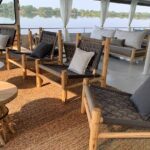
The tour describes “comfortable accommodations” and says some meals are included. Day two is the clearest example of how that looks in practice.
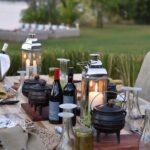
You get a light continental breakfast, then bush brunch, then you’re back by 18:00 for shower time and supper. That’s a full day of meals support during the most intense wildlife period, which is a big value win. Food plans can quietly eat into your budget on safari trips. Here, you’re not left figuring it out.
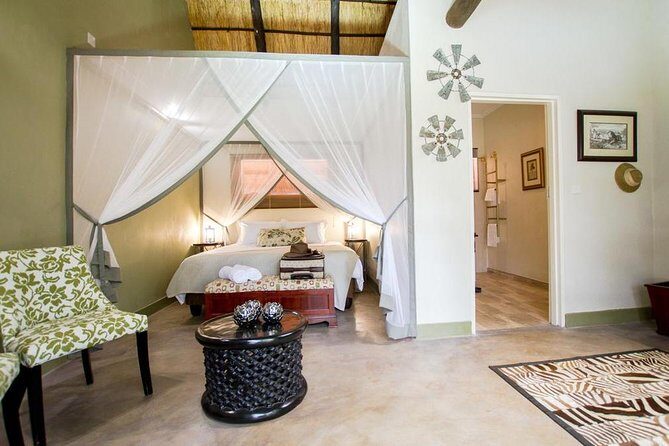
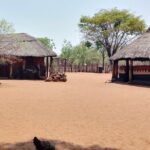
Accommodation is the tricky part, based on the feedback you shared. The concern was about what “dorm tent” meant in the real world, and the fix in that case was an upgrade to rooms for an extra $115 per night. Importantly, you should take this as a signal to verify your accommodation type before you commit, especially if you care about privacy or bed setup.
So how should you interpret the camping label?
- If you want a rustic safari base, this can fit your style.
- If you want hotel-like comfort, treat the accommodation details as a must-check item, not a “we’ll see when we arrive” gamble.
Price and value: why $600 can work well here
At $600 per person for a 3-day / 2-night Chobe experience, the real question is what you’re buying besides sightings.
You’re paying for:
- guided transfers from Victoria Falls / Kasane / Livingstone into Chobe
- assistance around immigration formalities at Kazungula
- access to the core safari mix: game drives + a river cruise
- camp-based time inside the park (2 nights)
- meals during the main safari day (at least breakfast, bush brunch, and supper are specifically referenced)
You’re also buying a small-group cap: maximum of 20 travelers. That doesn’t sound flashy, but it often means your day feels less chaotic and you’re more likely to get the guide’s attention when animals show up.
For many people, the biggest value driver is that the schedule is built around the best viewing windows: early predator-focused drives and river activity patterns. If you’re already traveling in this region, the included transport and on-the-ground organization can save you time and stress.
Could it be overpriced? It depends on your accommodation expectations. If you end up wanting a room instead of dorm-style camping, your final cost can rise. That’s not a reason to avoid the tour; it’s a reason to clarify your accommodation plan early.
Weather, guides, and small-group reality
This tour depends on good weather. If it’s canceled due to poor weather, you’re offered a different date or a full refund. That’s fairly standard for wildlife regions, but it’s still worth respecting. Safari plans don’t move well when roads and river conditions get ugly.
Guiding is also a major part of the experience, and the provided info includes a note about briefing guests on accommodation setup. That’s a good sign. Safari days go better when everyone understands what “camping” means, what you’ll get in your space, and what the schedule rhythm is.
Who should book this Chobe camping safari
This is a good fit if you:
- want both river and land safari styles in a short window
- like structured days with early starts (especially for predator chances)
- are comfortable with a moderate physical fitness level
- want guided logistics so you can focus on wildlife and not border stress
It may be less ideal if you:
- strongly dislike dorm-style camping or shared setups
- need hotel-level comfort and privacy
- hate early mornings and long drives (day two is built around 6:30am wake-ups and early viewing)
If you’re in the middle—okay with camping, just not okay with guessing your exact room situation—this tour can still work well. Just ask what your accommodation category is and whether upgrades are available for your booking.
Should you book this 3 Day Chobe National Park Camping Tour?
Book it if you want a well-timed Chobe safari that mixes river cruising and game drives, with the heavy lifting done for you via transfers and guidance. The schedule is clear about the viewing logic: early morning for predator odds, then more chances later, plus the river for elephant-and-hippo territory.
I’d pause before booking only if your accommodation expectations are very specific. This is camping-based travel, and there’s evidence that accommodation type can be a deciding factor for comfort. Confirm what you’re getting, and if you think you’ll prefer rooms over dorm tents, ask about upgrade pricing up front so the final number doesn’t surprise you.
If you’re flexible and you care most about wildlife and good organization, this is one of the stronger ways to do Chobe in three days from the Victoria Falls side.
FAQ
What’s the duration of the Chobe National Park camping tour?
It runs for 3 days (about), with 2 nights spent in Chobe National Park.
Where does the tour start and end?
It starts in Victoria Falls, Zimbabwe and ends back at the meeting point, with drop-offs to accommodations in Kasane, Kazungula, Victoria Falls, and Livingstone based on your starting location.
How are transfers handled on day 1?
You’re transferred from Victoria Falls and Livingstone to Chobe at 7:30am, and the guide meets you at Kazungula to escort you through immigration formalities.
What time is the early wake-up and breakfast on day 2?
On day 2, you’re woken up around 6:30am with warm water, followed by tea or coffee and a light continental-style breakfast.
What wildlife viewing does the tour focus on?
The tour highlights include wildlife such as elephants, hippos, crocodiles, Cape buffalo, big cats, and wild dogs, plus birdlife, especially around the river.
Does the tour include meals?
It says some meals are included, and day two specifically includes light continental breakfast, bush brunch, and supper after returning to camp.
Is there a limit on group size?
Yes. The tour has a maximum of 20 travelers.
What happens if the tour is canceled due to weather?
The experience requires good weather. If it’s canceled due to poor weather, you’ll be offered a different date or a full refund.