REVIEW · ZAMBEZI NATIONAL PARK
Zambezi 3hr Game Drive
Book on GetYourGuide →Operated by The Shrub Lodge & Safaris · Bookable on GetYourGuide
Safari time flies when elephants show up. This 3-hour Zambezi National Park game drive in Matabeleland North, Zimbabwe is built for close wildlife sightings, led by a live English guide. I liked the small group size (up to 9 people), which keeps the pace calm and the driver less distracted, and I also liked that you get snacks and refreshments to keep you going on a long stretch of scanning. One caution: wildlife sighting quality can vary, and if you hit a timing snag (like a late pickup), your time inside the park can shrink, which may mean fewer chances at the biggest stars.
You’ll be transferred to and from the activity, then spend the afternoon driving through areas that mix open savanna views with river-adjacent scenery. Expect the guide to work hard for sightings—elephants and buffalo show up often in strong drives, and the plan also includes the possibility of predators like lions and leopards. By sundown, you’re back, with a pile of real safari moments and that classic after-drive feeling of wanting to go again.
In This Review
- Key things I’d bet on before you book
- Zambezi National Park: what you’re really paying for
- 3 hours in the bush: how the timing feels in practice
- Wildlife odds: elephants, buffalo, and the real predator hunt
- Your guide is the difference: Tongesai and Aron’s impact
- What the route feels like: rugged roads and slow scanning
- Included snacks and refreshments: small detail, big morale
- Price and value: is $86 fair for this safari?
- Who should book this game drive (and who might not love it)
- Should you book this Zambezi 3-hour game drive?
- FAQ
- How long is the Zambezi game drive?
- What does the price include?
- What’s the total cost with park fees?
- Is there a live guide, and what language do they speak?
- How big is the group?
- What if I need to cancel?
Key things I’d bet on before you book
- Small group (max 9) keeps the safari calmer and the driver’s focus sharper
- Snacks and refreshments included means you’re not hunting for food mid-game-drive
- English live guide helps you understand what you’re seeing, not just pass time
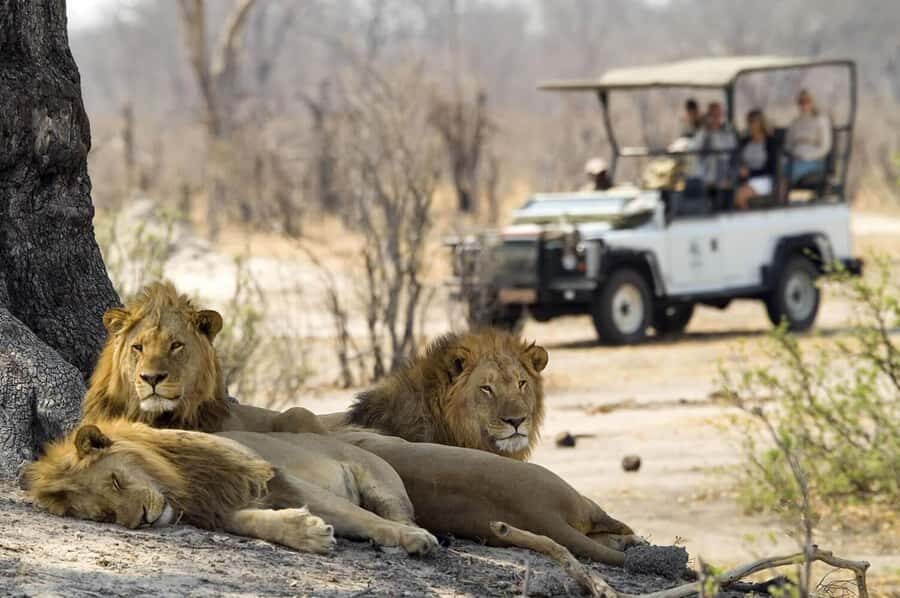
- Elephants and buffalo are common highlights in the better sightings
- Predators aren’t guaranteed but the hunt for them is part of the fun
Zambezi National Park: what you’re really paying for
At $86 per person for 3 hours, this experience is about one thing: time in Zambezi National Park with a guide who knows how to work a wildlife drive. The park setting around Matabeleland North gives you that classic mix of wide-open animal viewing and riverside action, which matters because different species use different spaces.
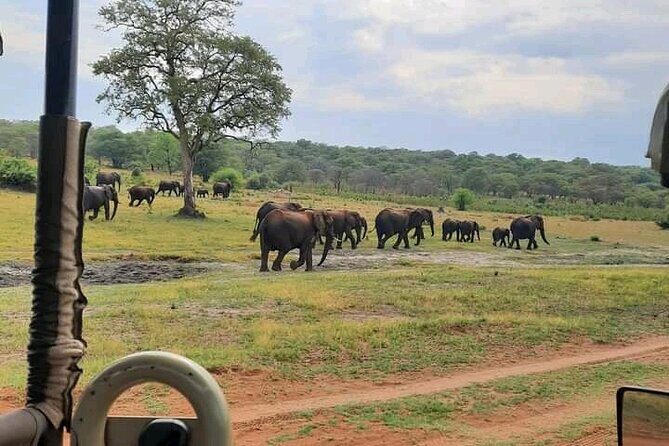
If you’re hoping for a single “wow” moment, Zambezi can deliver. In the stronger runs, you’ll see elephants at close range and other big mammals moving through the scene. In one drive, the group was thrilled with a herd of buffalo, and people were happy even before the hunt for the next animal started.
That said, this is still a safari drive, not a controlled show. One review noted that no Big 5 species were seen on that particular day, which is a useful reminder: you’re buying the search and the guide’s effort, not a guaranteed checklist.
You can also read our reviews of more tours and experiences in Zambezi National Park.
3 hours in the bush: how the timing feels in practice
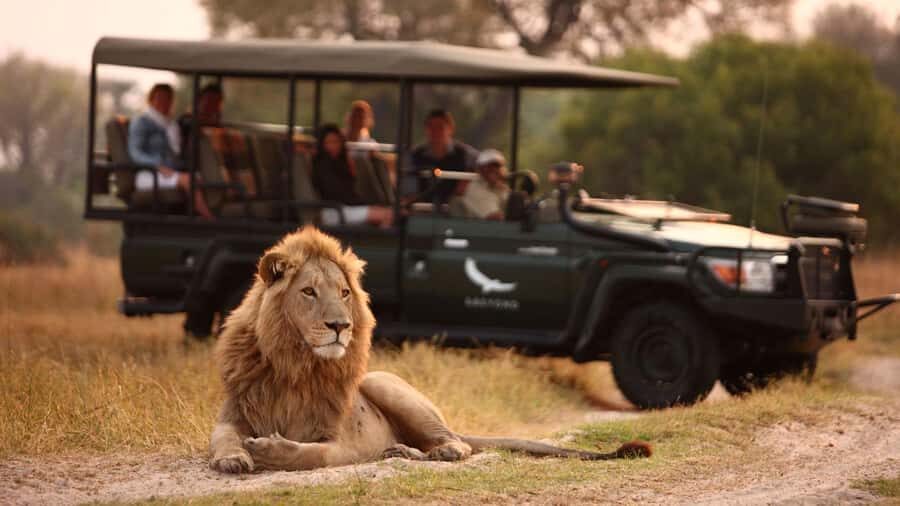
The stated duration is 3 hours, but the real experience is how those hours get spent. On a game drive, you’re typically balancing drive time, slowdowns, and short waits when animals show up. When everything runs smoothly, you get a steady rhythm: spot something, reposition, then scan again.
One important timing lesson came up: a pickup that ran nearly 20 minutes late led to park entry being about 30 minutes later than planned. That reduced time in the park to around 2.5 hours, and the disappointment wasn’t about the guide—it was about losing precious minutes of potential sightings. If you’re the type who hates missed windows, this is the one factor worth thinking about before you book.
A good rule for any short safari like this: treat it as a focused outing. You won’t have all day to chase multiple zones, so the quality of the drive depends a lot on early starts, smooth entry, and the driver finding animals right away.
Wildlife odds: elephants, buffalo, and the real predator hunt
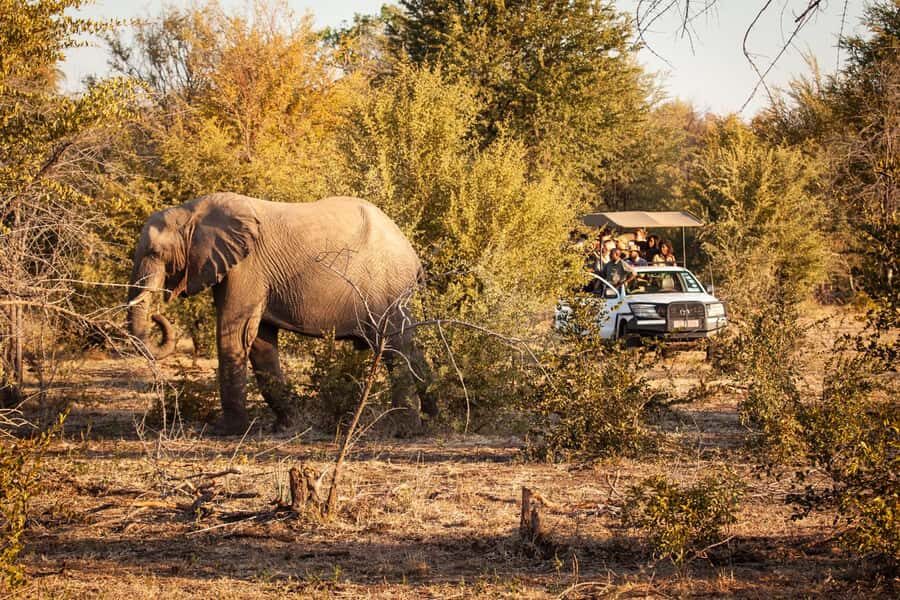
This game drive is designed for variety. The official promise includes elephants and giraffes, and the hunting mindset goes toward elusive predators like lions and leopards. In real-world sightings, elephants do show up, and you’ll also see other mammals that keep the drive interesting even when the big cats stay hidden.
From the sightings shared, here’s what you can realistically expect to be in the mix:
- Elephants (mentioned as a major highlight)
- Buffalo (a herd sighting made the drive a win for everyone)
- Baboon sightings
- Antelope (included in the animal mix people reported seeing)
- Warthogs (phacochères were specifically named)
You might notice that the reports include lots of “good safari” animals even when the rarest species weren’t confirmed. That’s actually the practical value here. A great drive isn’t only about checking off the toughest-to-see predators. It’s about seeing animals behave naturally—walking, grazing, watching, reacting to the environment—while you’re close enough to feel it.
So if you’re hunting for lions and leopards, keep expectations flexible. The guide will actively search, and the route through the park is part of that strategy. But even with an excellent driver, predators are unpredictable, and the best day is the one where animals are active and you intersect their paths.
Your guide is the difference: Tongesai and Aron’s impact
On safari, the guide does more than point. The best guides read the landscape by animal signs—where movement is likely, where animals spend time, and how to reposition without spooking everything. That’s why guide quality shows up fast in feedback.
Two guide names stood out in the experience details you provided. Tongesai was praised as being great, and the drive was described as magical after seeing elephants, buffalo, baboons, antelope, and warthogs in the wild. That’s a strong example of how one drive can stack sightings and turn the whole group’s energy up.
Aron was also repeatedly noted for doing a lot right: people called him very knowledgeable and emphasized his skill as a driver. One review mentioned he had 26 years of experience, and that experience showed up as calm control plus strong explanations of what animals were doing and why.
There was also a friendlier-but-still-important note about how the guide handled the group when things went slightly wrong. Even when time inside the park was reduced, the guide stayed engaged, explained animals and routines, and helped the drive feel meaningful rather than rushed. That matters, because on short safaris, there’s less room for boredom.
What the route feels like: rugged roads and slow scanning
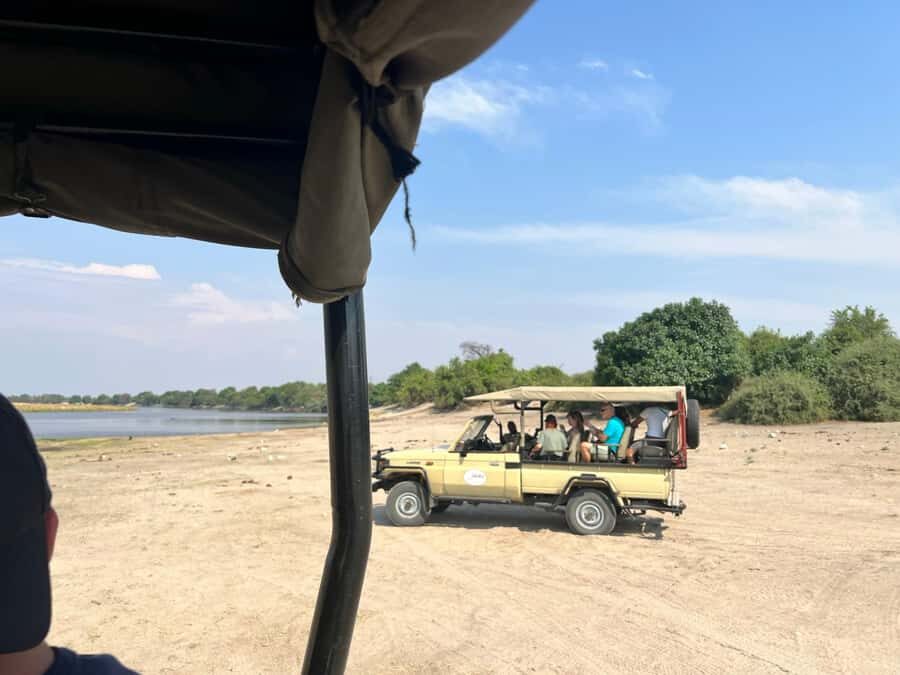
Even without a stop-by-stop itinerary with named viewpoints, you can understand the driving style from the setup. The route involves rugged terrain, so you’ll be in for some bumpiness. The upside is that this kind of driving puts you in areas where animals move and where visibility is often best from a vehicle.
During the drive, the rhythm is typically:
- scan for movement
- reposition when something looks promising
- pause when animals are actually close enough to matter
- keep driving once you’ve had your moment
If the driver is good, you’ll feel like you’re always “in the game,” not waiting around. When animals pop up—like warthogs near open areas or buffalo moving as a group—the drive becomes interactive. The guide’s explanations then help turn a random sighting into a real understanding of animal behavior.
Included snacks and refreshments: small detail, big morale
One of the smartest parts of this tour package is that snacks and refreshments are included. On paper, that’s small. In reality, it keeps the experience comfortable and reduces the chance you’ll spend valuable safari minutes figuring out food.
Because the drive is only 3 hours, you don’t want to lose time to anything that isn’t wildlife. The included refreshments make it easier to stay focused through the ride—especially if sightings take a while to show up.
Also, the transfer to and from the activity is included. That means your day has fewer moving pieces, which helps when you’re trying to keep the excitement high instead of wrestling with logistics.
Price and value: is $86 fair for this safari?
Let’s break down the value honestly.
- Base price: $86 per person
- Not included: national park fees of $15/person
- So your likely total: $101 per person, before any personal items
That’s the first key point: the sticker price is not the full cost. If you’re budgeting, add that $15 immediately so you don’t get surprised later.
Now the value question: is $86 worth it? For a short 3-hour safari, it can be, especially because you’re paying for three things you can’t DIY easily: access to the park process, a small-group setup, and a live guide in English. Also, since snacks and refreshments are included, you’re not paying extra for basic comfort.
Where the value can wobble is outside the guide’s control—timing and animal sightings. If entry runs late or the day’s wildlife activity is slow, you might end up with fewer “big name” sightings, like lions or leopards. But even then, good guides often help you see enough other mammals that the day still feels worth it.
I’d treat this as a practical, mid-length safari option. If you’re doing a Zimbabwe itinerary and you want a focused wildlife hit without spending all day, this fits. If you’re expecting guarantees on the rarest predators, you’ll want to know that’s not how safari works.
Who should book this game drive (and who might not love it)
This is a solid match if:
- you want a short, focused safari without a full-day commitment
- you like learning from a live English guide while you drive
- you prefer a small group and a less crowded feel
It may not be the best match if:
- you strongly need a specific species (like a lion) to make the trip “worth it”
- you’re very sensitive to losing minutes because of pickup delays
If your travel style is flexible and you enjoy the chase, this drive is exactly the kind of outing that can surprise you.
Should you book this Zambezi 3-hour game drive?
I’d book it if you want a well-paced safari that’s built for real sightings, not a long slog. The small group size, included snacks, and live English guide make the experience feel organized and easy to enjoy. When the drive is firing—elephants, buffalo, and other mammals—you’ll come away happy you went.
I would pause only if you’re counting on a specific predator species or if your schedule is extremely tight, because a late start can cut into time inside the park. In a 3-hour format, those lost minutes matter.
My practical take: for $86 (plus the $15 park fee), it’s a fair value when you’re in safari mode and ready for the randomness that makes wildlife watching feel alive.
FAQ
How long is the Zambezi game drive?
It lasts 3 hours.
What does the price include?
The price includes snacks and refreshments, plus transfer to and from the activity.
What’s the total cost with park fees?
The national park fees are $15 per person, which are not included in the $86 price. That puts the likely total at $101 per person, before any personal spending.
Is there a live guide, and what language do they speak?
Yes, there is a live tour guide, and the tour is in English.
How big is the group?
It’s a small group limited to 9 participants.
What if I need to cancel?
You can cancel up to 24 hours in advance for a full refund.