REVIEW · ZIMBABWE
Great Zimbabwe
Book on Viator →Operated by Bushmen Travel Company · Bookable on Viator
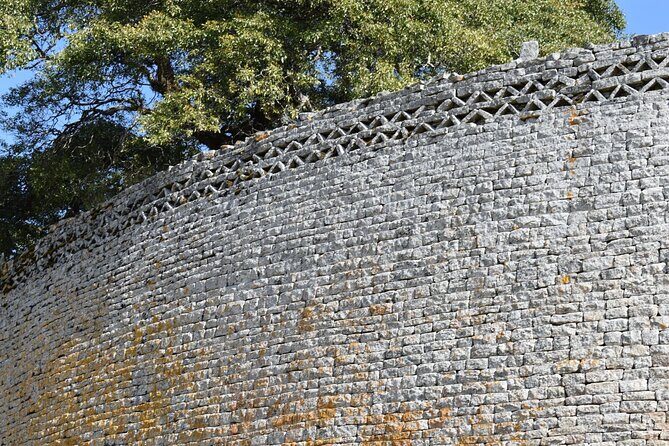
Stone walls tell big stories before breakfast. Great Zimbabwe is an honest-to-goodness UNESCO site of dry-stone power, and I love how the guide points out the freestanding walls and original chevron patterns you can actually see up close. I also like the stop at the museum for original Zimbabwe bird carvings, then the cultural village where Mbira music connects the past to daily life.
One drawback to plan for: this is a 12-hour day with an early 6:00am start and a long drive, so heat and stamina matter, especially on a hot day.
In This Review
- Key things I’d prioritize on this Great Zimbabwe day
- Great Zimbabwe’s real magic starts with the stonework
- The 6:00am start and the road time you should budget
- Late breakfast before the guided ruins walk
- Walking the Great enclosure and hill complex without getting lost
- The chevron symbolism: what you’ll notice once someone teaches your eyes
- Bird sculptures in the museum: close-up context that photos can’t replace
- Lunch plus picnic barbecue: eating like the day matters
- Mbira music at the cultural village: the living thread
- What to pack so the day stays comfortable
- Price and value: what $260 buys you on a long day
- Small group size and the guide/driver that affects your day
- Who should book this Great Zimbabwe tour
- Should you book Great Zimbabwe with Bushmen Travel Company?
- FAQ
- What time does the tour start?
- How long is the Great Zimbabwe experience?
- Is pickup included?
- How long is the guided tour of Great Zimbabwe?
- What food is included?
- How big is the group?
- What should I bring?
- What happens if the weather is poor?
Key things I’d prioritize on this Great Zimbabwe day
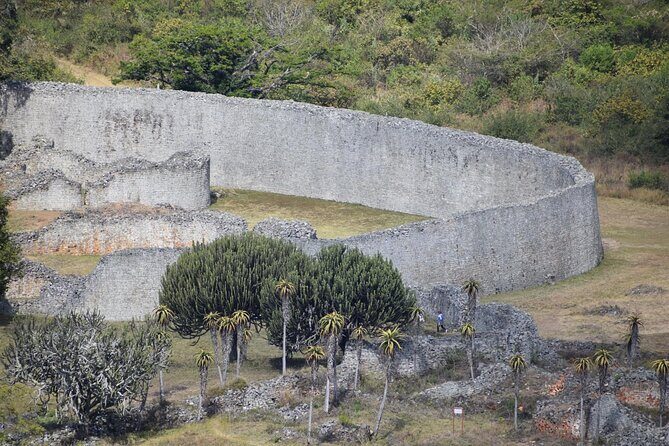
- UNESCO dry-stone ruins with clear, built-to-last architectural details
- Chevron patterns tied to fertility symbolism, explained in plain language
- Original bird carvings in a small museum stop
- Breakfast, lunch, and picnic-style food that keep your energy steady
- Mbira music at a cultural village to round out what the stones meant
- Small group size (max 8) that helps the visit feel more personal
Great Zimbabwe’s real magic starts with the stonework
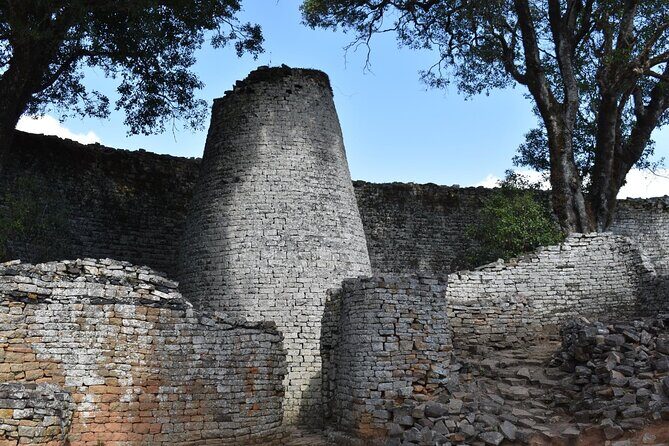
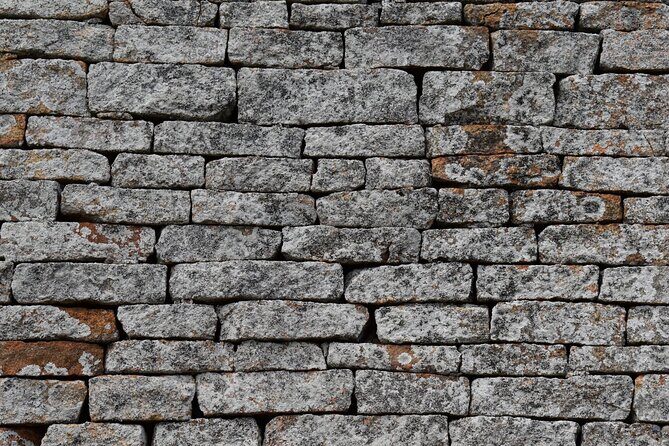
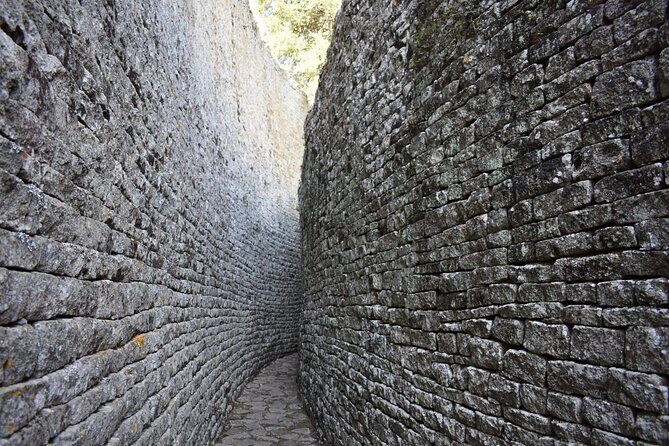
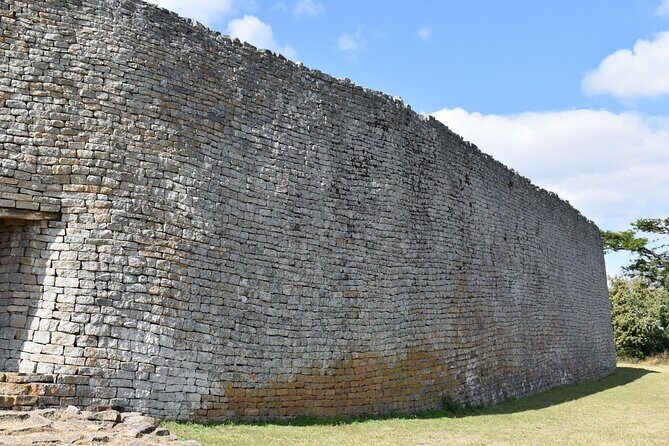
Great Zimbabwe isn’t a place where you just look at a big view and move on. The draw is the construction: huge dry-stone walls and structures, built without mortar, still holding their shapes. The site was founded in the 9th century and grew into what many people describe as Zimbabwe’s cultural heartland. Standing there, you can feel why an ancient state would pour effort into walls, enclosures, and layouts that survive.
I particularly like the way the tour trains your eye. You’re not stuck in theory. You learn what to look for—freestanding walls, major areas such as the Great enclosure and hill complex, and the valley ruins—so the ruins stop being a blur of rocks and start becoming a layout with logic.
You can also read our reviews of more tours and experiences in Zimbabwe.


The 6:00am start and the road time you should budget
The day begins at 6:00am, and pickup is offered. Then you’re on the road for hours. In real terms, expect something like a 4 to 4.5 hour drive to the site depending on where you’re starting from and how the day flows.
For me, the early start is the part that needs the most planning. If you’re sensitive to long mornings or you hate heat, this tour asks you to be ready. The upside is that you get into the visit before you feel completely baked, and the stops are arranged so you’re fed along the way.
One practical note: since this is a long day, keep your basics simple. Wear breathable layers, but still use your closed-toe shoes—your feet will thank you later.
Late breakfast before the guided ruins walk
Before you walk the ruins, you’ll have a late breakfast (it’s often more like brunch). This matters more than it sounds. Great Zimbabwe can be sunny, and the walking is on uneven ground. If you show up hungry or under-supplied, the whole experience turns into endurance.
You’ll get a guided tour of about 2 hours through the major sections. The guide’s job here is to translate the site from stones into meaning: what the spaces were, how the building patterns relate to the power of the kingdom, and what those symbolic details mean.
When the group is small, you can end up with breathing room around you. On some days, you may even have time where the attraction feels quiet rather than crowded. That makes a huge difference for reading the shapes of the walls and taking your photos without rushing.
Walking the Great enclosure and hill complex without getting lost
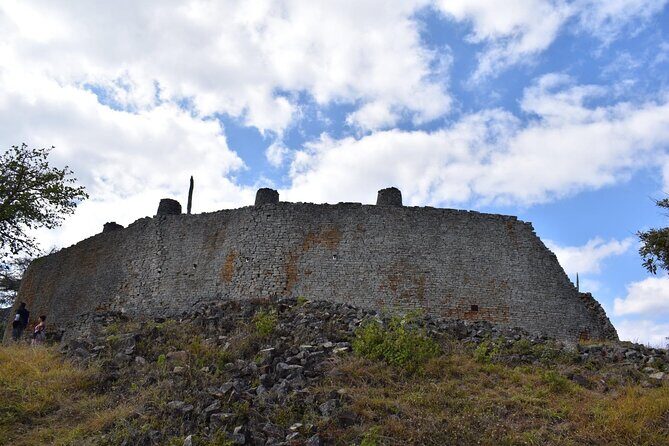
The tour focuses on the key built areas: the Great enclosure, the hill complex, and the valley ruins. Even if the names sound vague, you’ll learn what each area is doing—how the stonework and layouts connect.
Here’s what you’ll get out of it if you pay attention:
- You’ll be shown the scale of the outer walls and the “why” of the enclosures.
- You’ll see the differences between areas that feel more like ceremonial spaces versus areas that read as part of a larger living system.
- You’ll learn how the site’s layout supports the idea of a strong, organized state.
The best part is that the guide doesn’t just point. You’ll understand what you’re looking at and why it mattered.
A consideration: you’ll be outside for a good chunk of the day. So even with a guided route, you still want solid footing and water-minded pacing.
The chevron symbolism: what you’ll notice once someone teaches your eyes
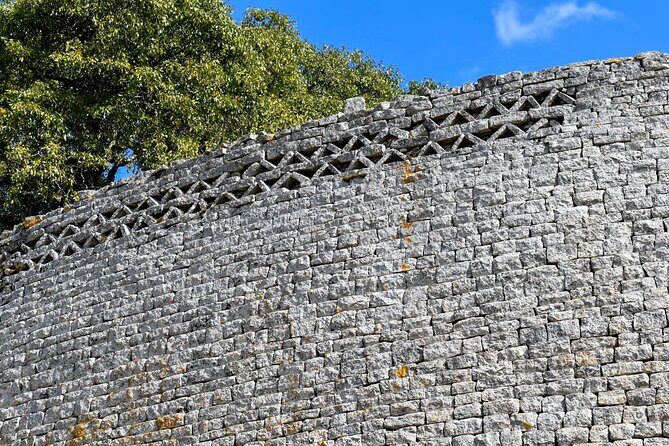
One of the most distinctive features of Great Zimbabwe is the chevron patterning on structures. You don’t have to be an art critic to catch it. Once you know where to look, the patterns become obvious, and they’re not just decoration.
The tour explains the symbolism tied to fertility. In plain terms, you’re learning how the designs worked as cultural signals—ways to communicate meaning through stone patterns that people could see and recognize.
This part is worth slowing down for. Take a minute to look at the direction and repetition of the patterns, then compare them with nearby walls. The guide’s explanation helps you see the site as planned communication, not random architectural style.




Bird sculptures in the museum: close-up context that photos can’t replace
After time in the ruins, you’ll visit a museum that houses original stone carvings of Zimbabwean birds. This stop is a great palate cleanser after the heat and wide-open stone spaces.
Why I like this component: it gives you context for what you saw outside. When you can see bird carvings up close, you start thinking about how artisans shaped the visual language of the kingdom. It also breaks the day up nicely, giving your body a less sun-intensive moment.
The museum is not just a checklist item. It helps you connect symbolic art to what you learned about the ruins’ cultural purpose.
Lunch plus picnic barbecue: eating like the day matters
Once the guided ruins time is done, you’re treated to a hearty Zimbabwean lunch. Food is part of the value here because it keeps the day from turning into a scramble.
Picnic barbecue is also listed as part of the experience. That combination—hot, filling food after time in the sun—means you can actually enjoy the final cultural section instead of counting the minutes until you get back to your hotel.
I’d treat the meal strategy as a clue: this tour is designed as a full-day plan. You’re not meant to run off and “figure out food later.” You’re meant to be present, fed, and ready for the next stop.
Mbira music at the cultural village: the living thread
The tour doesn’t end at the stones. You’ll head to a cultural village where you can experience traditional Mbira music. The tour also frames Mbira as part of life and as a way people communicate with higher spirits.
This is a smart final step. Ruins can feel distant if you only learn about the past as a finished chapter. Hearing Mbira helps you shift gears from architecture to culture—how people express meaning through sound, tradition, and community.
If you enjoy music or any craft traditions, you’ll probably feel this moment more than you expect. Even if you’re not a “music person,” the context turns it from background entertainment into cultural understanding.
What to pack so the day stays comfortable
This tour gives clear packing guidance, and I’m glad it does, because Great Zimbabwe is a practical-world kind of visit. Bring:
- closed-toe walking shoes
- a hat
- sunglasses
- sunscreen
- insect repellant
Plan for heat and bugs. Even if it’s a bright day, the sun can hit hard, and insects can be part of the outdoor experience. If you show up underprepared, you’ll spend energy correcting your comfort instead of focusing on the ruins.
Price and value: what $260 buys you on a long day
At $260 per person, this isn’t a budget “half-day” add-on. But it can be good value if you like guided context and you want a full cultural package in one shot.
Here’s what’s bundled that makes the cost easier to justify:
- pickup service
- guided touring of the major stone areas (about 2 hours)
- museum time with original bird carvings
- meals that include late breakfast and a hearty lunch, plus picnic barbecue
- a cultural village stop with Mbira music
- a small group cap of 8 travelers, which usually keeps the experience calmer and more flexible
In other words, you’re paying for more than transport. You’re paying for someone to organize the day, explain the site, and keep you fed through the long stretch.
Small group size and the guide/driver that affects your day
The group maximum is 8 travelers, which is a real quality-of-life factor on a site like this. Smaller groups usually mean fewer lines, less waiting around, and more room for questions.
One name that stands out from the experience is guide/driver Blessing, who picked up from a hotel and handled the drive and itinerary with flexibility. When the road takes time, a good driver-guide makes the day smoother in ways you don’t always notice until you’re grateful for them.
Who should book this Great Zimbabwe tour
This tour fits best if you:
- want a guided, structured visit to the major ruins areas
- care about meaning—symbolism like the chevron patterns, plus cultural context
- like a full-day plan with food included
- don’t mind an early start and several hours on the road
It may be less ideal if you’re extremely heat-sensitive or you hate long days outdoors. The site requires good weather, and you’ll be walking enough that your shoes matter.
Should you book Great Zimbabwe with Bushmen Travel Company?
If you want the stones explained and connected to culture, I think this is a strong choice. The combination of UNESCO ruins, the chevron symbolism explanation, the museum with original bird carvings, and the Mbira music village stop makes it more than a quick photo trip.
Book it if you can handle the early 6:00am start and you’re ready for a full 12-hour day. Skip it or plan carefully if you don’t do well with heat, outdoor walking, or long drives.
Overall, this is the kind of day that rewards curiosity. If you show up with a hat, solid shoes, and an open mind, Great Zimbabwe turns into a story you can follow—stone by stone, sound by sound.
FAQ
What time does the tour start?
The start time is 6:00am.
How long is the Great Zimbabwe experience?
It runs for about 12 hours (approx.).
Is pickup included?
Yes, pickup is offered.
How long is the guided tour of Great Zimbabwe?
The guided tour is about 2 hours.
What food is included?
You’ll have a late breakfast (more like brunch) before the guided ruins tour, then you’ll be treated to a hearty Zimbabwean lunch, with picnic barbecue also listed as part of the experience.
How big is the group?
The maximum group size is 8 travelers.
What should I bring?
Bring closed-toe walking shoes, a hat, sunglasses, sunscreen, and insect repellant.
What happens if the weather is poor?
This experience requires good weather. If it’s canceled due to poor weather, you’ll be offered a different date or a full refund.