REVIEW · ZIMBABWE
The Best of Matobo
Book on Viator →Operated by Bushmen Travel Company · Bookable on Viator
Matobo has a way of getting under your skin. This small-group Matobo history and ecology tour mixes rhino chances, sacred sites, and real human stories—from the Ndebele kings to Cecil Rhodes and the Shangani Patrol. I like that the group is capped at just 8, so you’re not stuck watching from the back. I also like the practical add-ons: hotel transfers, a proper open-air BBQ lunch, and souvenir digital photos. One thing to consider: you’ll need moderate mobility and closed-toe shoes, because you may climb and walk across uneven rock.
This is designed for a full day feel (about 8 hours total), but the guided core runs around six hours. You get panoramic viewpoint time, wildlife and bird-spotting opportunities, and a guided explanation of the Matobo caves and why they matter.
In This Review
- Key Highlights You’ll Actually Care About
- Matobo National Park: Why This Day’s Mix Works
- Pickup, Timing, and How the Day Flows from 9:00 am
- The Big “Wow” Moments: World’s View and Rhodes’ Burial Site
- Rhinos and Other Wildlife: What “Tracking” Means on This Tour
- Matobo’s Cave Paintings: Bushmen Art, Meaning, and Conservation
- Ndebele Kings, European Settlers, and the Matabele Wars
- Lunch in Matobo Hills: Open-Air BBQ with Local Flavor
- Photography and Souvenir Digital Photos
- Who’s It For—and Who Should Skip It
- Guides That Make the Day Feel Safe and Personal
- Price and Value: Is $140 Worth It?
- Should You Book The Best of Matobo?
- FAQ
- FAQ
- How long is the Best of Matobo tour?
- How many people are in the group?
- Is hotel pickup included?
- What food is included?
- What should I wear?
- Can I cancel for a full refund?
Key Highlights You’ll Actually Care About
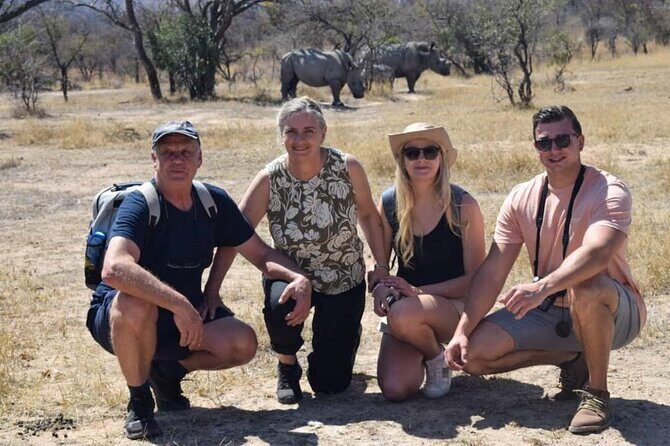
- Max 8 travelers means more questions, more pacing, and more time at the spots that count
- Rhino tracking is part of the plan, not an optional detour
- Bushmen (San) cave paintings are explained in a way that connects art, place, and conservation
- Rhodes’ World’s View gives you dramatic panoramas and a heavy historical context
- Ndebele kings and European settlement stories come with local details, not just dates
- Open-air BBQ lunch plus souvenir digital photos makes the day feel complete
Matobo National Park: Why This Day’s Mix Works
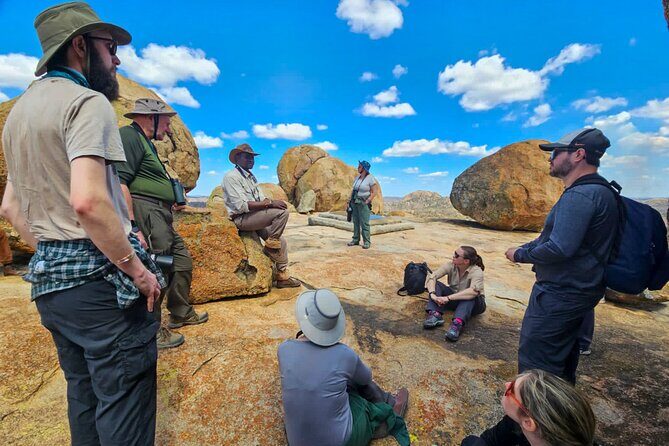
Matobo is famous for big animals, but what I like about this tour is the balance. You’re not doing a one-note safari day where everything is only about sightings. Instead, you get the park’s ecology and its long human presence in the same route: rock formations, sacred viewpoints, and cave art that helped guide conservation efforts.
You’ll also get a guide who can connect the dots. Some of the best moments are when the guide explains what you’re seeing and why people have cared about these hills for centuries.
And yes, wildlife is part of the pitch for a reason. The day is built around places where you have a realistic shot at seeing rhinos and other animals, plus birds. If you’re the type who likes to look slowly and ask questions, this format fits you.
You can also read our reviews of more tours and experiences in Zimbabwe.


Pickup, Timing, and How the Day Flows from 9:00 am
The start time is 9:00 am, and the total outing runs about 8 hours (with the guided experience around six hours). That matters because it shapes your expectations: this isn’t a short drive-by tour. You’re out for a good chunk of the day, with time for viewpoints, walking, and lunch.
Hotel transfers are included, and the tour offers pickup. That’s a big deal in Matobo, because it saves you from dealing with local transport timing and makes it easier to show up ready.
Small-group touring also changes the feel. With a max of 8 people, you’re less likely to get rushed between stops, and the guide can adjust pace if the animals are active (or if the rock steps are… not your favorite).
The Big “Wow” Moments: World’s View and Rhodes’ Burial Site
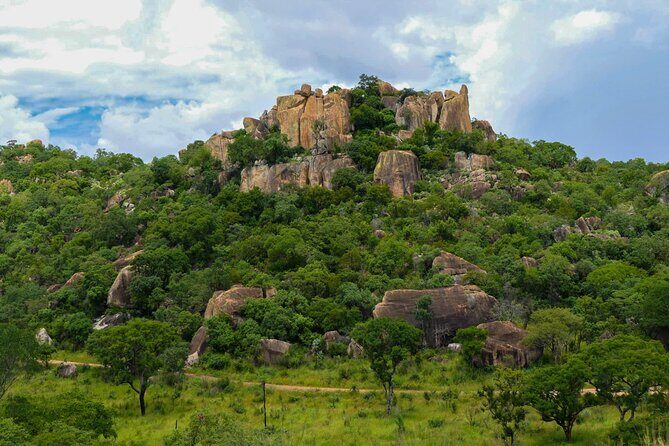
One of the key stops is the panoramic view from the burial place of Cecil John Rhodes, commonly referred to as World’s View. This is a viewpoint, but it’s also a history lesson you can feel in your chest.
Here’s what you’ll gain from this stop: you’ll understand how European colonial presence is physically marked in the park area, and you’ll connect that with the larger story of how the region shifted after first European settlement and conflict.
The practical upside? Your camera gets a workout. The vantage points are designed for sweeping views, and you’ll have time to take it in—not just snap one photo and sprint to the car.
Rhinos and Other Wildlife: What “Tracking” Means on This Tour
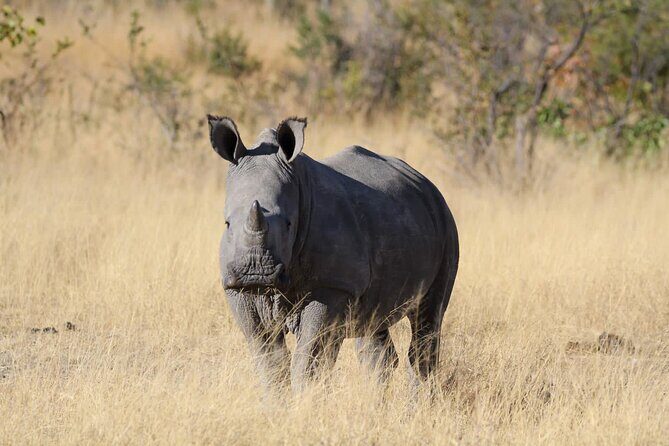
The tour includes rhino tracking, framed as part of the park’s conservation story. It’s not presented as magic. It’s presented as careful searching in a place where rhinos live, plus a guide who knows what to look for.
If you’re hoping for action, I’d set expectations like this:
- You’ll spend time in habitats where rhinos can show up.
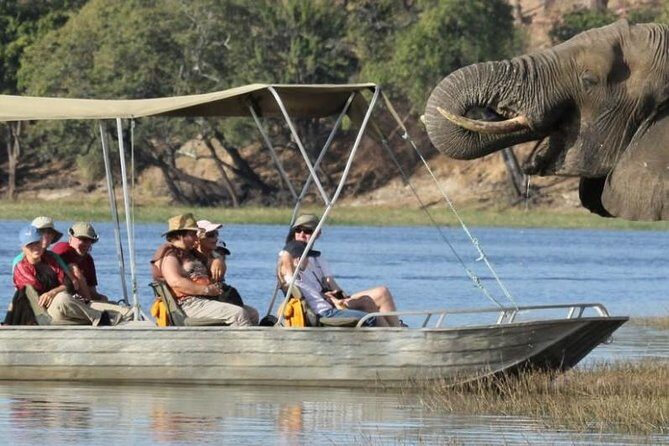
- You’ll likely spot other animals too, depending on where you are and how things are moving that day.
- Birds are part of the wildlife angle here, not a side note.
From the experiences people shared, rhino sightings can be multiple in a day—so the tracking element isn’t just symbolic. You can also expect other common species in the park area, along with baboons and small antelope-like sightings when conditions line up.
One small caution: rhino tracking can involve uneven ground and standing in the same spot for stretches. Bring closed-toe shoes and stay flexible with your body. If you use a cane or need extra steadiness, plan for slower pacing, and tell your guide early so they can help you find the safest spots.
Matobo’s Cave Paintings: Bushmen Art, Meaning, and Conservation
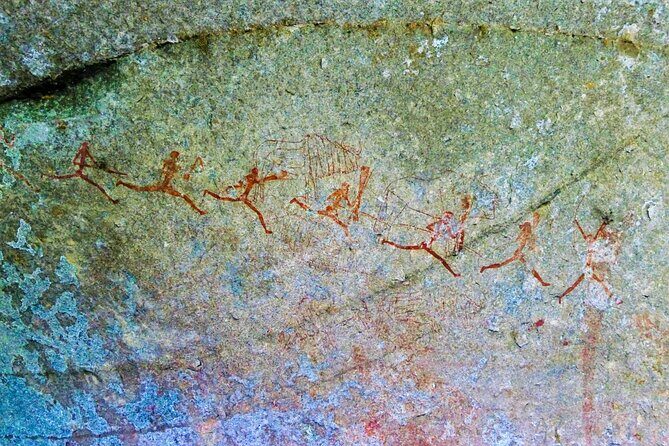
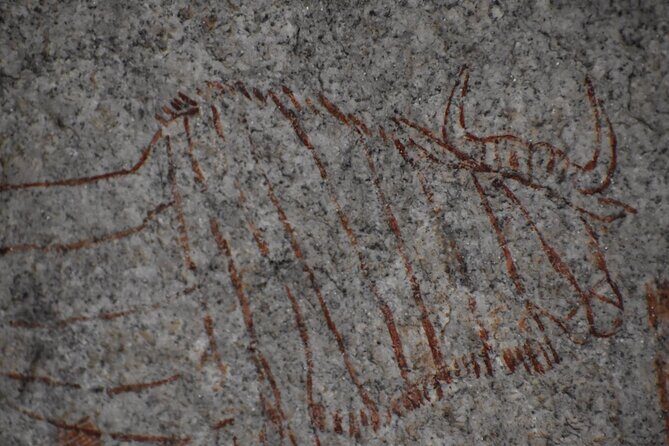
Matobo National Park is also about caves and human storytelling across time. This tour focuses on the secrets behind thousands-year-old cave paintings and explains why these artworks are more than ancient decoration.
The way the tour frames it is helpful: the guide ties the paintings to survival knowledge, place-based meaning, and—importantly—the conservation angle. People aren’t just telling you the caves are old. They’re explaining how the art and knowledge around it supported successful reintroduction of rhinos into Matobo.
That matters for you because it turns “ancient cave art” into something you can relate to today. You’re not only sightseeing. You’re seeing how history can influence what happens now.
Practical note: cave painting stops usually mean you’ll be listening more than roaming. Wear what’s comfortable for walking and bring sunglasses for bright days, but expect your focus to shift from the view to the explanation.


Ndebele Kings, European Settlers, and the Matabele Wars
The tour doesn’t treat history like a lecture. It’s woven into the route and into the sites you visit. You’ll learn about Ndebele kings and their interactions with early European settlers—then you’ll connect it to the Matabele wars.
A specific, unforgettable thread is the story involving the Shangani Patrol, including the detail that 3,000 warriors killed the patrol. That’s the kind of fact that changes how you look at the land around you. It’s not just scenery. It’s terrain tied to conflict, strategy, and survival.
For you, the value here is context. When you understand the interactions and the consequences, the park’s named places and historical markers land differently. You stop thinking of Matobo as only an animal destination and start seeing it as a living archive.
Lunch in Matobo Hills: Open-Air BBQ with Local Flavor
At midday, you’ll stop for a lunch at a favorite spot in the Matobo Hills. It’s an open-air BBQ lunch, and the tone here is casual and social—less museum, more picnic energy.
The tour includes the lunch as part of the package, which is a real value point. In places like this, food can either be a helpful break or an expensive time-waster. Here, you get a meal planned into the day, with local flavors and on-the-ground cooking.
Also, it’s a good reset for your brain after history stops. You’ll probably be processing a lot—rhinos, cave art, colonial-era context—and a warm meal makes the last stretch more enjoyable.
Photography and Souvenir Digital Photos

You’ll get souvenir digital photos included. This is useful if you’re traveling as a couple or solo and want memories without building your own photo setup at every stop.
In practical terms: you don’t have to choose between enjoying the scenery and getting decent shots. You can focus on watching and listening, then still walk away with something shareable.
Who’s It For—and Who Should Skip It
This tour fits best if you want more than a drive-and-stop safari. You’ll enjoy it if you like guided interpretation, want to understand what you’re seeing, and also hope for wildlife—especially rhinos.
You should also have at least moderate physical readiness. The day includes walking and possibly climbing rock for viewpoints. You’ll want to bring the recommended gear:
- closed-toe shoes
- khakis
- sun hat
- sunscreen
- insect repellent
If you’re looking for a fully flat, minimal-walking experience, this probably won’t feel comfortable.
Guides That Make the Day Feel Safe and Personal
The guides are a standout part of the experience. People specifically mentioned guides named Blessing, Bongani, and Jordan, and the common thread was professionalism, patience, and a calm presence—especially when people wanted to climb for a better view.
This matters because Matobo’s best viewpoints aren’t always the easiest to reach. A good guide helps you get your bearings fast and makes the route feel safer and less stressful.
If you like asking questions, this small-group setup gives you that space. With fewer people, you’re more likely to get direct answers instead of rushed explanations.
Price and Value: Is $140 Worth It?
At $140 per person, you’re not just buying transportation and a generic wildlife drive. You’re buying a guided, small-group day that includes:
- guided history and ecology in Matobo National Park
- rhino tracking time
- cave painting context
- lunch (open-air BBQ)
- hotel transfers
- souvenir digital photos
- a maximum group size of 8
For value, the real question is not the headline price. It’s what would cost you more if you tried to piece it together yourself: guided interpretation, entry-time logistics, and having a set lunch and transfer plan that matches the route.
This day is also structured to cover multiple interests: animals, plants, birds, and deep place-based history. If that mix is what you want, $140 starts to make sense quickly.
Should You Book The Best of Matobo?
Yes, if you want Matobo to feel like a full day with meaning, not a checklist. I’d book this when your priorities are:
- rhino tracking in a small group
- guided context for the cave paintings
- World’s View and Rhodes history
- a real lunch included, not a rushed snack stop
- guides who handle questions well and help people reach viewpoints safely
Skip it if you’re hoping for a super low-walking day or you dislike historical context. This tour treats history as part of the experience, not a separate track.
FAQ
FAQ
How long is the Best of Matobo tour?
The experience runs about 8 hours in total, with the guided portion described as a six-hour small-group history and heritage tour.
How many people are in the group?
The tour has a maximum of 8 travelers, which keeps it small-group and more personal.
Is hotel pickup included?
Yes. Pickup is offered, and hotel transfers are provided.
What food is included?
An open-air BBQ lunch is provided during the tour.
What should I wear?
Bring closed-toe shoes and wear khakis. It also helps to have a sun hat, sunscreen, and insect repellent.
Can I cancel for a full refund?
Yes. You can cancel up to 24 hours in advance for a full refund. If you cancel less than 24 hours before the start time, the amount paid is not refunded.