REVIEW · ZIMBABWE
Khami Ruins Day Trip
Book on Viator →Operated by Bonisa Excursions · Bookable on Viator
Stone walls tell Zimbabwe’s bigger story. This day trip to Khami Ruins is one of the few Zimbabwe sites with undisturbed stratigraphy, sitting at the watershed between the Great Zimbabwe era and the later Zimbabwe period. You’ll get a guided look at the 16th-century Torwa Dynasty capital and why Khami matters to understanding how the country developed over time.
I especially like how the visit is structured for real viewing time, not rushing. You’ll see the dry-stone walled complex of platforms and narrow passageways, plus the chief’s residence area on the Hill Complex (often tied to Mambo). And I like that the tour setup is comfortable: snacks and bottled water come with the ride.
The main drawback to plan around is cost on top of the ticket price: admission fees and taxes aren’t included, so your final spend will be a bit higher than $80 per person. Also, the activity depends on weather, so if conditions aren’t good, you may need to switch dates.
In This Review
- Key highlights you’ll care about
- Why Khami Ruins feel different from a typical quick stop
- Price and value: what $80 per person really covers
- Pickup, timing, and how to plan your half-day
- Khami Ruins in plain sight: Hill Complex, platforms, and the wall decorations
- The Hill Complex and the chief’s residence (Mambo)
- Platforms and structures: Vlei, Monolith, and Passage
- Narrow passageways and perambulatory galleries
- Chevron and chequered wall decorations
- Day-to-day life context: daga huts and granite walls
- How Khami connects to Great Zimbabwe and the later Zimbabwe period
- What makes this tour work well: guide-led interpretation and comfortable pacing
- Tips to get the most from a 2–4 hour ruins visit
- Who should book this Khami Ruins day trip
- Should you book the Khami Ruins Day Trip?
- FAQ
- Where is the Khami Ruins day trip located?
- How much does the tour cost?
- How long is the tour?
- Is pickup included?
- What does the tour include?
- What is not included in the price?
- Is this tour private?
- What kind of ticket will you receive?
- Do you get confirmation after booking?
- What happens if the weather is bad?
- What’s the cancellation window?
Key highlights you’ll care about
- Second largest stone-built monument in Zimbabwe: big scale, but still personal.
- Torwa Dynasty capital: 16th-century stone platforms and royal-area structures.
- Hill Complex and Mambo residence: the chief’s residence sits on the hill ruin area.
- Dry-stone craftsmanship: chevron and chequered wall decoration plus narrow passageways and galleries.
- Short, focused timing: about 2 to 4 hours with an air-conditioned vehicle, snacks, and water.
- Private group feel: only your group participates, with pickup offered.
Why Khami Ruins feel different from a typical quick stop
Khami Ruins isn’t famous in the same household way as Great Zimbabwe, and that’s part of its charm. You’re seeing an important stone-built monument of the Torwa Dynasty, and the site’s research value goes beyond pretty walls. Because Khami’s stratigraphy is described as undisturbed, it helps scientists interpret Zimbabwe’s past with a clearer timeline.
That means your visit isn’t only about monuments in the abstract. It’s about how places connect. Khami sits at a watershed between the history of Great Zimbabwe and the later Zimbabwe period. In plain terms: it helps explain what changed, what stayed, and how power and settlement patterns shifted across time.
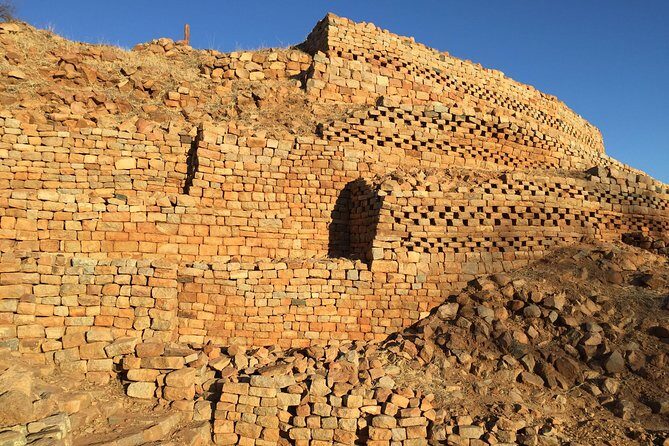
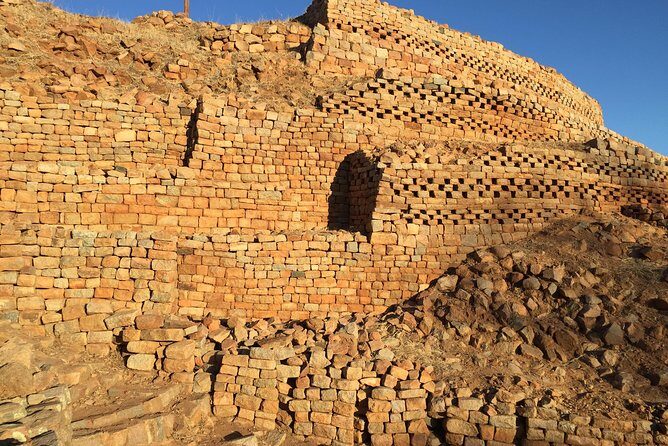
And yes, the architecture is genuinely impressive. The ruins include a complex of platforms made with dry-stone walls, plus narrow passageways, perambulatory galleries, and decorated sections like chevron and chequered patterns. When you’re standing there, it’s easier to understand how careful building skills could support both everyday movement and more ceremonial or residential spaces.
You can also read our reviews of more tours and experiences in Zimbabwe.


Price and value: what $80 per person really covers

At $80 per person, this is a straightforward, mid-range day trip. The value isn’t just the entrance to the site—it’s the logistics and comfort around it.
Here’s what your price includes:
- Air-conditioned vehicle
- Private transportation
- Snacks
- Bottled water
That matters because travel time from Bulawayo is short. One review notes Khami is about a 30-minute drive from central Bulawayo, and that kind of proximity makes a half-day plan realistic. You spend your time looking at stonework rather than clock-watching in transit.
The catch is also clear: all fees and taxes aren’t included, and the admission ticket for the site isn’t included either. So before you book, do the math on your total: the base $80 plus whatever admission and any other required charges end up being.
If you’re traveling as a couple or a small group, the private-group setup can also feel like better value, especially with pickup offered and group discounts available.
Pickup, timing, and how to plan your half-day
This is designed to fit into a short window. Expect around 2 to 4 hours total, and the site time is built into that tight schedule. The stop is the ruins themselves, so you’re not bouncing around multiple locations.
Pickup is offered, and in one example a guide named Lesley handled hotel pickup and brought thorough knowledge of the ruins’ history. Another review praised a guide named Jean and described a full, building-by-building style tour for a YouTube channel. While you can’t guarantee the same guides each time, the pattern is consistent: the tour leans on interpretation, not just pointing.
Because it requires good weather, I treat this like a weather-dependent site visit. If it’s a rainy or cloudy day, expect the possibility of switching dates or getting a refund. That’s not a dealbreaker, just a planning reality.
Practical tip: since the admission isn’t included, it’s smart to budget for that early. It also helps you keep the experience smooth on the day instead of scrambling.
Khami Ruins in plain sight: Hill Complex, platforms, and the wall decorations
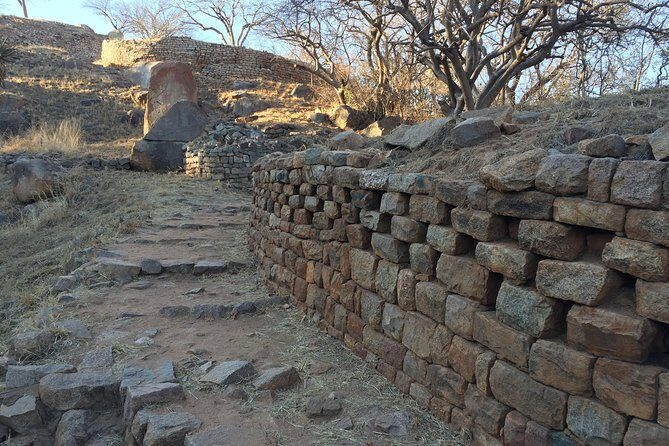
This is the heart of the day trip, and it’s where the time makes sense. Khami is described as a complex series of platforms made from dry-stone walled structures. Instead of a single monument, you’re looking at a whole architectural system—spaces that served different functions and connected through walls, passages, and galleries.
The Hill Complex and the chief’s residence (Mambo)
One of the most important features is the chief’s residence, tied to the Hill Complex and referenced as Mambo. Sitting on the hill area, it gives the ruins a sense of hierarchy in space—power concentrated where it could be seen and approached through controlled pathways.
This is the part I’d prioritize in your mind. When you understand where the chief’s residence sits, the rest of the platform maze feels more organized. You’re no longer just admiring stone walls; you’re mapping a settlement.





Platforms and structures: Vlei, Monolith, and Passage
Khami includes specific platform areas mentioned in the tour description, including the Vlei, Monolith, and Passage platforms. You’ll also see dry-stone walled structures arranged in a way that suggests deliberate planning.
The key idea: these platforms weren’t random. They create levels and edges. They define how people could move, gather, and access different parts of the settlement. If you’re the type who likes to understand a site’s logic, these named areas help you follow the story.
Narrow passageways and perambulatory galleries
A big part of Khami is movement through space. The complex includes a great number of narrow passageways and perambulatory galleries. That’s not just architectural decoration—it hints at how people might have walked routes around key spaces, potentially for everyday tasks as well as more formal routines.
On a short half-day trip, this is where a guide’s explanation can make a huge difference. A review highlighted an on-site guide who kindly explained details, and that’s exactly what you want: help translating stone patterns into human behavior.
Chevron and chequered wall decorations
Then there’s the visual wow factor. The ruins show impressive chevron and chequered wall decorations. These patterns are a reminder that craft and design mattered. Stonework here isn’t only functional; it’s also expressive.
If you like photography, this is your playground. Even from a distance, the geometry reads well. Up close, you’ll get a better sense of how the stone lines were arranged.
Day-to-day life context: daga huts and granite walls
The tour description also notes that the population lived in daga huts of cobwork, surrounded by a series of granite walls. Even if you aren’t seeing hut remains the way you’d see reconstructed homes, that context helps you imagine the daily settlement pattern rather than treating the ruins like a museum object.
That’s a major value point: it makes the site feel lived-in and connected to real people—not only a pile of stones.
How Khami connects to Great Zimbabwe and the later Zimbabwe period
Khami is interesting because of where it sits historically. It’s positioned as a watershed between the history of Great Zimbabwe and the later Zimbabwe period. That means the site can help you compare eras and understand transitions.
Here’s what that translates to on the ground: as you move through the platforms and ceremonial-looking spaces, you’re also thinking about why architecture evolved. Dry-stone construction links Khami to broader regional building traditions, while the layout and decorative style help separate it into its own chapter.
Also, the site is described as one of the few Zimbabwe sites that were not destroyed by treasure hunters. That matters because it ties back to the scientific value mentioned earlier—an undisturbed stratigraphy. In other words, Khami isn’t just “old.” It’s informative.
What makes this tour work well: guide-led interpretation and comfortable pacing
A Khami Ruins visit is at its best when you have someone to translate what you’re looking at. The reviews you have here underline that point.
- One guide, Lesley, was praised for hotel pickup and thorough knowledge.
- Another, Jean, was praised for a guide who covered all buildings and structures in a full tour style explanation.
Even if your guide isn’t the same person, the practical takeaway for you is simple: choose the day trip for its interpretation, not only its convenience.
Comfort also plays a role. The tour includes an air-conditioned vehicle, plus snacks and bottled water. For a short 2–4 hour outing, that’s exactly the kind of support that keeps your focus on the ruins instead of logistics.
And because it’s a private tour/activity that only includes your group, you can move at the pace your guide sets for your group. That helps on a site where details like passageways, gallery edges, and wall patterns matter.
Tips to get the most from a 2–4 hour ruins visit
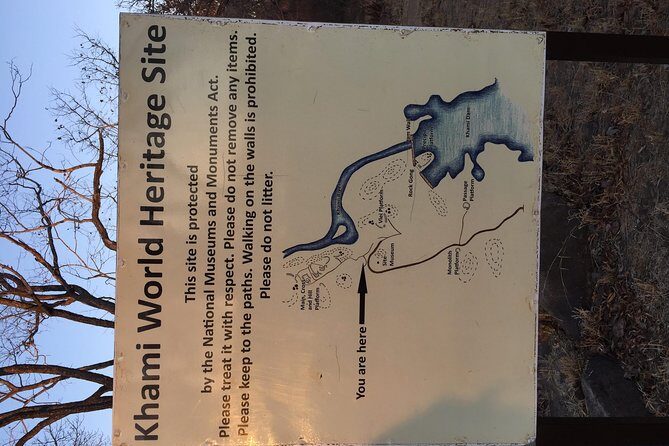
Because your time window is fairly tight, I’d plan your mindset like this: don’t try to “see everything.” Instead, try to see the main architectural relationships.
Use your guide to anchor these points:
- Where is the chief’s area on the Hill Complex?
- How do the platforms shape movement?
- Which sections show the most decoration, like chevron and chequered patterns?
- What do the passageways and galleries suggest about daily movement?
If you’re the type who likes to sketch or take notes, bring a small pad or just keep your phone handy. The site features are specific enough that you can capture them quickly—platforms, named areas, and wall pattern styles.
Finally, remember that admission and fees aren’t included in the $80 base price. If you show up with a budget that already accounts for that, you stay in a good mood and keep the visit flowing.
Who should book this Khami Ruins day trip
This is a great match if you:
- want a Bulawayo-area day trip without a long commute
- care about stone architecture and how people used space
- enjoy guided context that explains why a site is scientifically and historically important
- prefer a small, private-group experience with comfort perks like A/C vehicle, snacks, and water
It also makes sense if you’re someone who finds big-ticket attractions too crowded and still wants a UNESCO-linked site experience. Khami’s reputation in this set of experiences is about being meaningful and less overrun.
If you’re a casual visitor who only wants quick photos, you might find the value depends on your interest level in detailed interpretation. But if you’re curious about how the Torwa capital worked, you’ll get more out of the visit than you expected.
Should you book the Khami Ruins Day Trip?
I’d book it if you want a focused, comfortable half-day outing that combines major stone architecture with real historical interpretation. The $80 price makes sense when you factor in the air-conditioned vehicle, private transportation, and the basic comfort items. Then you add the fact that Khami offers both scenic structure and a story about Zimbabwe’s development across eras.
I would pause only if you want fully packaged pricing with no extra admissions. Since admission isn’t included and fees and taxes aren’t included either, your total cost will rise a bit. Also check weather expectations because it’s a good-weather dependent experience.
If you line up those two points—budget for admissions and be ready for weather adjustments—this is a strong choice for anyone in Bulawayo who wants to see Khami Ruins with context, not just a quick glance at stones.
FAQ
Where is the Khami Ruins day trip located?
The tour takes place in Zimbabwe, focused on visiting Khami Ruins.
How much does the tour cost?
The price is $80.00 per person.
How long is the tour?
The duration is about 2 to 4 hours (approx.).
Is pickup included?
Yes, pickup is offered.
What does the tour include?
It includes an air-conditioned vehicle, private transportation, snacks, and bottled water.
What is not included in the price?
Admission fees/ticket and all fees and taxes are not included.
Is this tour private?
Yes. It’s a private tour/activity, and only your group participates.
What kind of ticket will you receive?
A mobile ticket is included.
Do you get confirmation after booking?
Yes, confirmation will be received at the time of booking.
What happens if the weather is bad?
The experience requires good weather. If it’s canceled due to poor weather, you’ll be offered a different date or a full refund.
What’s the cancellation window?
You can cancel up to 24 hours in advance for a full refund.