Four hours in Bulawayo gives quick perspective. I love the Bulawayo Railway Museum with Cecil Rhodes’ 1897 coach, and the chance to spend real time in Makokoba Township with guide Blessing. One thing to consider: it’s still a walk in the sun, so bring protection and expect heat and insects.
This is a friendly, well-paced afternoon tour, built for travelers who want to get their bearings fast without feeling herded. With a max of 8 people and pickup offered, it has that calm, local-guiding vibe that makes it easier to ask questions.
At $55 per person for about 4 hours, it’s good value if you’re into history, street-level architecture, and everyday township life—not just quick photos. If you’re hoping for a long list of major sights, you’ll need to know the tour is intentionally focused.
In This Review
- Key Things That Make This Tour Worth Your Time
- Bulawayo in Four Hours: What You’ll Actually Experience
- Bulawayo Railway Museum: The 1897 Coaches Are the Headliner
- Main Street Architecture: Post Office to City Hall, With Joshua Nkomo in View
- City Hall and the Water Well Story You Might Miss Elsewhere
- Makokoba Township: Conversation, Crafts, Children’s Games
- Food, Drinks, and What to Bring in Real Zimbabwe Weather
- Price and Logistics: Is $55 Good Value?
- Who This Tour Suits Best (And Who Should Pick Something Else)
- How to Get the Most Out of It
- Should You Book the All Inclusive Bulawayo City and Township Tour?
- FAQ
- What time does the Bulawayo city and township tour start?
- How long is the tour?
- Is pickup included?
- Are any admission tickets included?
- How many people are in a group?
- Do I need a mobile ticket?
- What should I bring for the afternoon?
- Can the route change if something is closed?
- Is free cancellation available?
Key Things That Make This Tour Worth Your Time
- Railway Museum first: a full hour, including the 1897 exhibits and Rhodes’ personal railway coach
- Main Street architecture walk: post office, Art Gallery, Exchange Building, City Hall, plus the Joshua Nkomo statue area
- Oldest township energy in Makokoba: homes, conversations, craft work, and children’s traditional games
- Local food stops: you’ll get chances to taste cuisine at nearby eateries and food stalls
- Small group size: up to 8 travelers, which keeps questions and conversation flowing
- Summer-season comfort: one October review praised cold drinks during hot conditions
Bulawayo in Four Hours: What You’ll Actually Experience
Bulawayo is big on stories, and this tour is a smart way to catch a lot of them in one afternoon. You start with major landmarks, then shift into the human scale of Makokoba Township, where the day feels more personal.
The timing matters. With a 1:00 pm start and about 4 hours total, you’re positioned for an efficient route: enough time for museum time and street time, but not so long that your legs revolt. If you’re staying in town and want a single “get to know the city” outing, this fits well.
I also like that the tour is built around a guide-led perspective. You’re not just walking past buildings; you’re getting explanations that connect Bulawayo’s role as a key settlement for the Ndebele Kings to what you see on the ground today.
You can also read our reviews of more tours and experiences in Zimbabwe.

Bulawayo Railway Museum: The 1897 Coaches Are the Headliner
If you pick one stop, make it the Bulawayo Railway Museum. You get a full hour here, and it’s not a quick glance-and-go situation. The museum is focused on Zimbabwe’s railway heritage, and the exhibits date back to 1897.
The standout is Cecil Rhodes’ personal railway coach from 1897. That one detail gives the whole visit extra weight, because you’re looking at transport history tied to the colonial-era story of how movement and trade were shaped. It’s the kind of exhibit that works even if you’re not a train nerd, because it’s visual and you can wander around to see the variety of locomotives and carriages.
One useful practical note: this is the place where you’ll likely want to slow down. A reviewer specifically called it the highlight and enjoyed being able to walk around freely, with lots to see. So don’t rush yourself here—this is where the tour’s best “hands-on history” feeling lives.
Main Street Architecture: Post Office to City Hall, With Joshua Nkomo in View
After the museum, the tour shifts to Bulawayo’s street scene. You’ll see a stretch of Main Street landmarks where colonial-era architecture meets later development. Think Victorian and Edwardian style features alongside more modern structures.
You’ll pass by or visit key civic buildings such as the post office, the Art Gallery area (the tour includes the National Gallery of Zimbabwe stop), the Exchange Building, and Bulawayo City Hall. You’ll also be in the neighborhood of the Joshua Nkomo statue along the main street corridor.
What makes this kind of stop valuable is that architecture is a clue. City planning shows power, trade routes show wealth, and public buildings show what a colonial administration chose to emphasize. Even if you don’t care about architectural terms, you’ll feel the contrast when you’re standing in front of these buildings.
One specific detail I’d pay attention to at City Hall: the building includes a water well that served as the initial water source for early white settlers. It’s a small story embedded in the larger one, and it helps you understand how survival and infrastructure were linked in the early days.
City Hall and the Water Well Story You Might Miss Elsewhere
This is the kind of detail that makes a short tour feel more meaningful. You spend time at City Hall with no extra admission ticket required, and the landmark includes the water well history tied to early settlement.
Why do I think that matters? Because it anchors the colonial narrative in something physical and practical. It’s not just dates and names; it’s the question of how people got water and made a city function. When you notice that, the surrounding buildings stop being just scenery and start reading like part of a real survival story.
If you enjoy learning how everyday needs shaped historical choices, this stop delivers more than the typical photo-stop experience.
Makokoba Township: Conversation, Crafts, Children’s Games
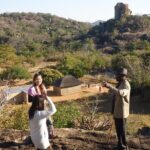
Makokoba Township is where the tour changes tone. This portion is described as an engaging, human visit: meeting friendly locals, chatting with artisans about crafts, watching children’s traditional games, and listening to elders’ stories.
In other words, you’re not just “seeing” a place—you’re spending time with people and letting their daily life teach you. The tour also includes a chance to taste local cuisine at food stalls, which is usually where you learn the most, fast. If you like learning through small moments—how something is made, how food is served, how people talk about their community—this is the part to savor.
I also appreciate that it’s guided. A good guide helps you move respectfully and understand what you’re being shown. In this case, the guiding name that came up repeatedly is Blessing, praised for big local knowledge and for going out of his way to make the experience enjoyable.
One practical thing: don’t treat this stop like a museum. You’ll want to keep your phone down enough to actually engage, listen, and watch. And wear shoes you don’t mind getting a little “township practical.”

Food, Drinks, and What to Bring in Real Zimbabwe Weather
This tour is an afternoon outing, and Zimbabwe weather can be intense. The guidance you’ll want to follow is simple: walking shoes, hat, sunglasses, sunscreen, and insect repellent. That list isn’t overkill—it’s what keeps the afternoon comfortable.
Heat is not theoretical here. One review specifically mentioned October heat and noted cold drinks were provided, which made a real difference. So plan for warm conditions even if the morning felt pleasant.
On food: the tour includes tasting at nearby eateries and food stalls during the township part. The data doesn’t spell out exact menu items or whether drinks are always included, so I’d think of meals as part of the experience, but still keep some extra cash for any personal snacks. If you get offered something, take it—it’s often where local hospitality shows up first.
Price and Logistics: Is $55 Good Value?
At $55 per person for about 4 hours, this is a reasonable deal if you want more than a driving tour. You’re paying for guided interpretation plus included entry at the Bulawayo Railway Museum (one full hour). You’re also not paying separate admission at the National Gallery of Zimbabwe and City Hall stops, since those are listed as free.
That matters because your money is going into the guide and the most time-consuming attraction, not into a pile of separate ticket costs. You also get pickup offered, and the tour uses a mobile ticket, which is convenient.
The other big value point is the group size: up to 8 travelers. Smaller groups tend to mean fewer distractions and more time for questions. In a place where context helps a lot—especially in township settings—that’s not a small detail.
Booking is also fairly steady. The tour is commonly booked about 39 days in advance, so if your Bulawayo dates are set, I’d lock it in early enough to avoid last-minute gaps.
Who This Tour Suits Best (And Who Should Pick Something Else)
This tour is a strong match if you want:
- A focused afternoon in Bulawayo that covers both major landmarks and township life
- A guided experience with a local perspective from someone like Blessing
- Museum time you can actually enjoy (not rushed)
- A small group pace with time to look around
It’s less ideal if you’re the kind of traveler who wants a long checklist of big attractions in one go. The tour is intentionally concentrated, and it’s built for quality and flow, not exhaustive coverage.
Also, if you’re visiting on a day when a site happens to be closed for a holiday, you might find that a planned extra stop doesn’t happen. A prior experience mentioned Nesbitt Castle wasn’t toured due to a holiday. The good news: the core of the route still centers on the Railway Museum and the city/township experience.
How to Get the Most Out of It
Here’s how to make this afternoon work for you:
- Prioritize the museum hour and give yourself time to walk around inside
- Bring sun and insect protection, even if you’re only out for a few hours
- Keep an open mind during Makokoba; ask questions respectfully and listen more than you talk
- Wear shoes you can stand and walk in for several hours
- If you’re especially curious about Ndebele kings and Bulawayo Dolobho, ask your guide to connect those ideas to what you’re seeing
A good tour feels like a conversation that walks. This one has that shape, especially because of the guide-led township component.
Should You Book the All Inclusive Bulawayo City and Township Tour?
I’d book this tour if you’re spending limited time in Bulawayo and you want a real sense of place in one afternoon. The Bulawayo Railway Museum (with Rhodes’ 1897 coach) gives you a standout anchor, and Makokoba adds the human, everyday side that most quick city tours miss.
Skip it only if you want a super long list of sites or you’re not interested in walking and outdoors time. For $55, with included museum admission and free admission stops, it’s a solid value that stays grounded—history plus people, not just buildings.
FAQ
What time does the Bulawayo city and township tour start?
The tour starts at 1:00 pm.
How long is the tour?
It lasts about 4 hours.
Is pickup included?
Pickup is offered.
Are any admission tickets included?
Yes. Admission to the Bulawayo Railway Museum is included. The National Gallery of Zimbabwe and Bulawayo City Hall stops are listed as free.
How many people are in a group?
The maximum group size is 8 travelers.
Do I need a mobile ticket?
Yes. The tour includes a mobile ticket.
What should I bring for the afternoon?
Bring walking shoes, a hat, sunglasses, sunscreen, and insect repellent.
Can the route change if something is closed?
Stops may vary depending on what’s open. One past experience noted that Nesbitt Castle wasn’t toured because it was a holiday, even though the rest of the tour still covered the key highlights.
Is free cancellation available?
Yes. You can cancel up to 24 hours in advance for a full refund.